

Student Movement's 'March to Dhaka': A Call for Change
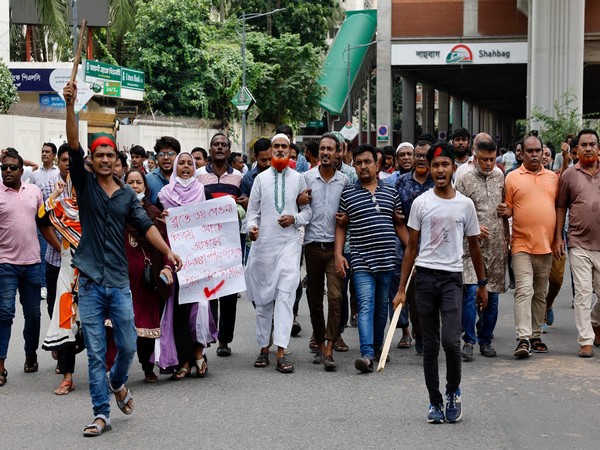
The Anti-Discrimination Student Movement will march to Dhaka today demanding the resignation of PM Sheikh Hasina's government. Initially set for Tuesday, the march was rescheduled due to recent deaths and escalating tensions. Sheikh Hasina has offered to meet with students at Gono Bhaban to address their concerns.
- Country:
- Bangladesh
The Anti-Discrimination Student Movement has announced a 'March to Dhaka' today to demand the resignation of Prime Minister Sheikh Hasina's administration. The Daily Star reported that coordinators Asif Mahmud, Sarjis Alam, and Abu Baker Majumder confirmed their participation.
The march, initially planned for Tuesday, was rescheduled to Monday due to the recent deaths and the current situation, according to organizers. The movement earlier made a single-point demand on August 3 for Sheikh Hasina and her cabinet to resign, with key organizer Nahid Islam announcing this at a rally.
Prime Minister Hasina has invited the protesting students to meet with her at Gono Bhaban to discuss their concerns and called for the release of detained general students. She assured that those responsible for deaths during the protests would face trial. In response to the deepening crisis, Bangladesh announced a three-day shutdown of public and private offices.
Protests have escalated across the nation, leading to violent clashes between anti-government protesters and police in at least 20 districts. The violence has resulted in 93 deaths and thousands of injuries, according to The Daily Star. The situation further deteriorated as ruling party members took to the streets, intensifying the conflict.
The unrest, initially sparked by demands to reform the quota system that reserves civil service jobs for specific groups, has grown into a larger movement urging governmental change. Demonstrators have called for a campaign of non-cooperation, advising citizens to withhold taxes and urging migrant workers not to send remittances via banks. With 300 lives claimed in three weeks, the protests mark one of the bloodiest phases in Bangladesh's civil movement history.


 Google News