

China's Space Ambitions: A New Frontier for Military Dominance
China is aggressively investing in space as a vital military domain, challenging U.S. dominance. With a rapid expansion of its satellite network, Beijing is developing counter-space capabilities to degrade U.S. space assets, positioning itself strategically for future conflicts. China's Aerospace Force plays a crucial role in this space race.
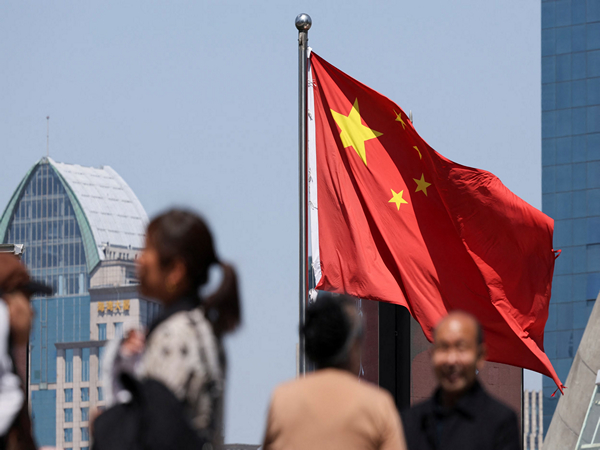
China is increasingly focusing on space as a crucial military domain, akin to land, sea, and air, aiming to surpass the United States as the leading space power. Under Chairman Xi Jinping's leadership, China is investing heavily in scientific, civil, and military space assets. China's rapid progression is evident in the 68 space launches conducted last year and the 1,060 satellites now in orbit, significantly surpassing previous years.
The U.S. Space Force has raised alarms about China's advancements, describing them as a severe threat to U.S. national security interests in space. China's development of intelligence, surveillance, and reconnaissance (ISR) satellites for the People's Liberation Army (PLA) exemplifies its expanding capabilities. Notably, the TJS-12 satellite, launched in December 2024, is capable of constant monitoring of U.S. and allied forces in the Pacific.
In pursuit of establishing dominance akin to SpaceX's Starlink, China is deploying a vast constellation of G60 communications satellites. With plans to orbit 14,000 such satellites by 2030, China eyes a strategic edge. The PLA Aerospace Force, overseeing these initiatives, plays a pivotal role in leveraging space for warfare, emphasizing space control and counter-space operations. China's actions, coupled with its missile and anti-satellite weapon advancements, underscore its intentions to secure space supremacy.
ALSO READ
-
ILO Report Reveals How to Bring Social Security Within Reach of Informal Workers
-
WTO Sets Up Panel on EU Carbon Border Rules as Russia Challenges Restrictions
-
WHO Brings Global Experts Together to Strengthen Herbal Medicine Quality and Safety
-
Human Cost of Faster Work: Chinese Employees Weigh AI’s Promise Against Pay Fears
-
China's August Disasters Yield $5.38 Billion in Losses


 Google News