

Tariffs, Tensions, and Trade Wars: The Global Economic Impact
U.S. stock futures fell due to President Trump's tariff threats on European nations tied to Greenland. The dollar weakened, and gold and silver reached highs amid trade war concerns. Major markets reacted with declines, and EU leaders considered countermeasures, highlighting global interdependence in financial markets.
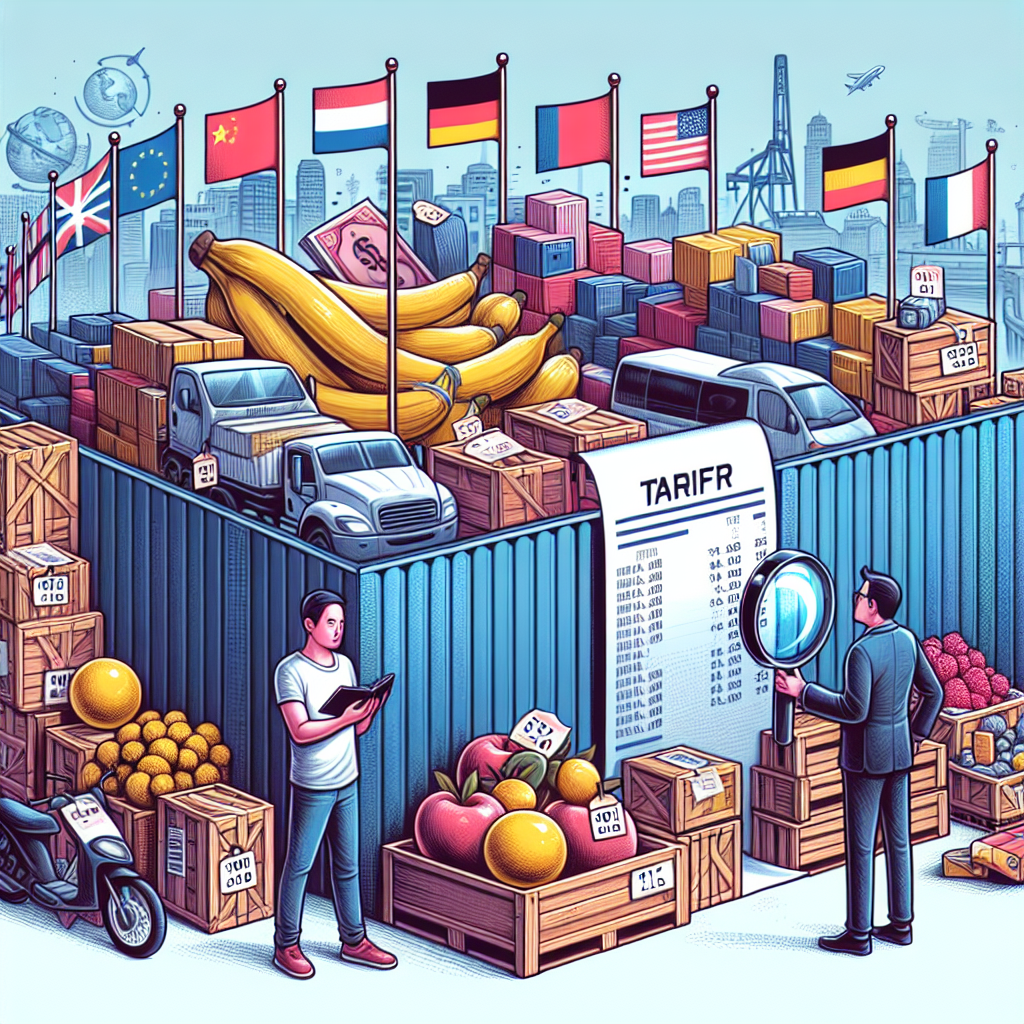
In a significant move on the global economic stage, U.S. stock futures tumbled following President Donald Trump's announcement of potential tariffs on eight European nations linked to the purchase of Greenland. The ensuing market volatility saw the dollar weaken against the yen and Swiss franc, while precious metals like gold and silver soared to unprecedented highs. The looming threat of an intensified trade war between the U.S. and Europe has sparked fears over its potential repercussions on global growth and demand.
The ripple effects of these developments were felt across major markets. The S&P 500 futures dropped by 0.7%, and Nasdaq futures fell by 1.0%, with European indices experiencing similar declines. The absence of U.S. equity and bond trading due to a holiday contributed to thin and reactive trading conditions. Trump's plans outline an escalation of import levies, beginning with a 10% tariff from February 1, potentially rising to 25% by June 1 if negotiations fail to progress.
The European Union swiftly condemned these tariff threats as 'blackmail' and threatened economic countermeasures, including renewed tariffs on U.S. imports. As European countries contemplate financial strategies, the interdependence of U.S.-Europe financial ties is underscored. This development sets the stage for tense discussions at the upcoming World Economic Forum in Davos, where global leaders, including Trump, will convene amid heightened economic tensions.
ALSO READ
-
EU Firms Rethink Supply Chains as Geopolitical Risks Reshape Global Trade
-
Trade War Chessboard: Agriculture, Energy, and Rare Earths in Focus
-
Trump and Xi Set for High-Stakes Summit: Trade, Taiwan, and Technology in Focus
-
US Tariff Announcement Delay Amidst Xi-Trump Summit
-
India Defends Energy Policy Amidst Rising Tariff Threats from U.S.


 Google News