

FACTBOX-How have British universities grappled with links to the slave trade?
- Country:
- United Kingdom
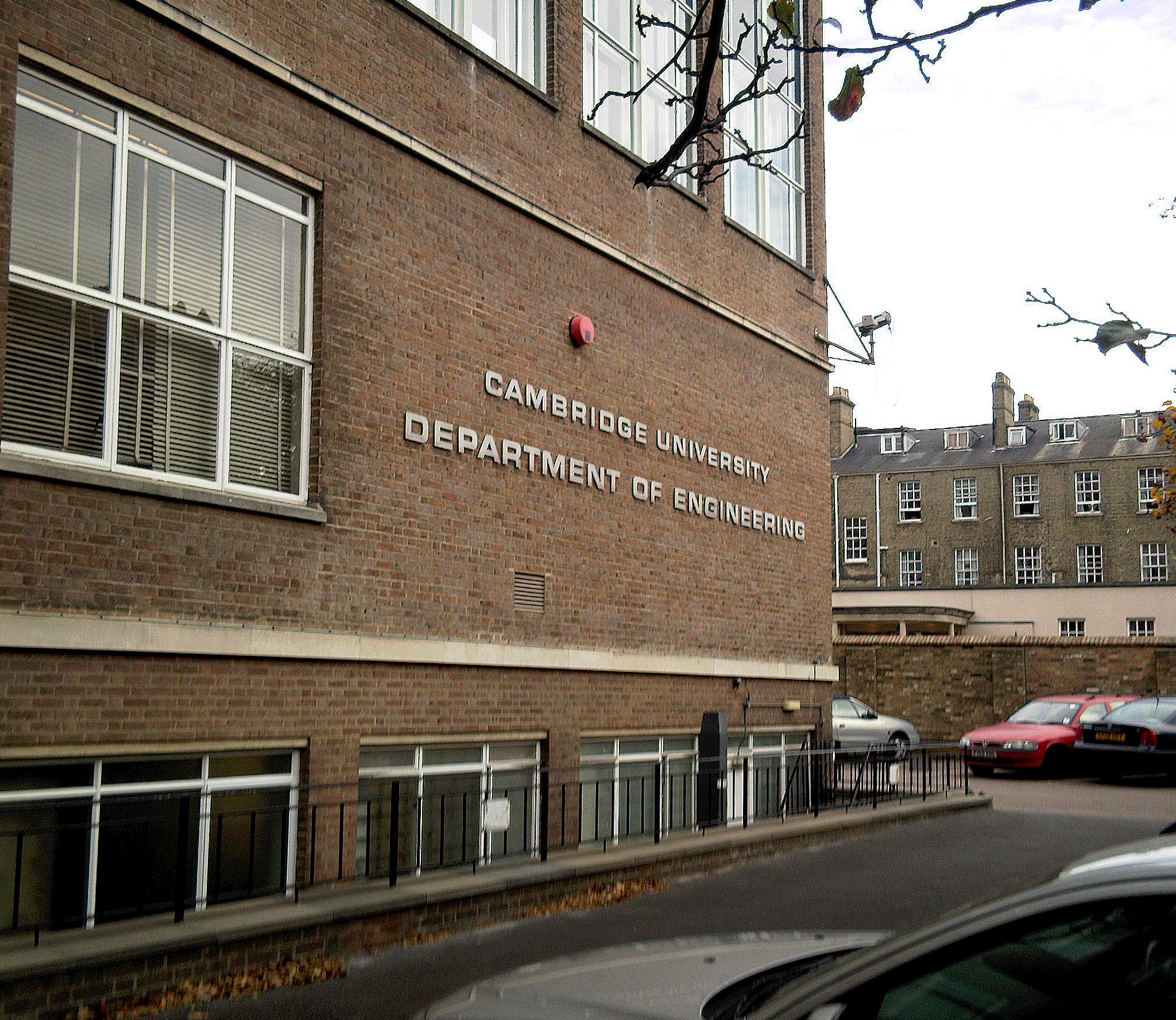
The University of Cambridge will conduct a two-year academic study of how much it benefited from the Atlantic slave trade and whether its scholars reinforced race-based thinking during Britain's colonial era. Following is what some major British universities have done so far.
The UNIVERSITY OF OXFORD In 2016, Britain's oldest university decided not to remove the statue of imperialist Cecil Rhode0-s, who bequeathed a large sum to Oriel College, despite a campaign by students who believe his legacy should not be celebrated.
Rhodes, of De Beers diamond company, is considered one of the founders of South African racial segregation who made his fortune from exploiting African mines worked by slaves. He also endowed the Rhodes Scholarship which has allowed thousands of foreign students to study at Oxford in the last century.
Oxford has since launched several projects aimed at tackling its relationship and links to colonialism. The Working Group on Oxford and Colonialism, one of these, aims to deal with historical legacies in an "open, scholarly and creative way - while also acknowledging and honouring past initiatives undertaken at the university and activist groups herein".
A spokesman for the university said: "The only way to heal from the wounds of the past is to face them head-on, and Oxford University is involved in a number of ongoing projects that will help us to achieve this over time." UNIVERSITY OF GLASGOW
Last year the University of Glasgow said it had received up to the equivalent of 198 million pounds ($258 million) in today's money from people who derived their wealth from slavery. Glasgow said it deeply regretted this part of its past which clashed with its parallel history of support for the abolition of slavery and had started a programme of reparative justice.
Glasgow professors John Millar, Patrick Wilson (1743-1799), and John Young (1747-1820) were all active participants in Glasgow's abolitionist movement. Millar sent two anti-slave trade petitions to parliament in 1788 and 1792. UNIVERSITY OF BRISTOL
The University of Bristol rejected a petition to change the name of its Wills Memorial Building in 2017. The building honours its first chancellor whose family profited from tobacco farming using enslaved labour. In 2018 Bristol estimated that 85 per cent of the wealth used to found the university depended on slave labour.
The funding was linked to all three of the names on the university crest: slave-trader Edward Colston, Henry Overton Wills -- who ran the company that merged to become Imperial Tobacco -- and Joseph Fry, of Fry's Chocolate. Bristol is in the process of making its links to slavery more explicit and is exploring its response with other universities studying slavery as part of a project led by the University of Virginia.
That project includes the University of Liverpool. UNIVERSITY OF EAST LONDON
The chair of the University of East London's Board of Governors (UEL), Geoff Thompson, called in 2018 for universities to set up a 100 million pound fund for Black Asian Minority Ethnic students from the money repatriated from the donations given to higher education institutions during the slave trade. ($1 = 0.7688 pounds) (Reporting by Elisabeth O'Leary; Editing by Alison Williams)


 Google News