

Labor unions criticise Cambodia over fresh blow to workers' rights
- Country:
- Cambodia
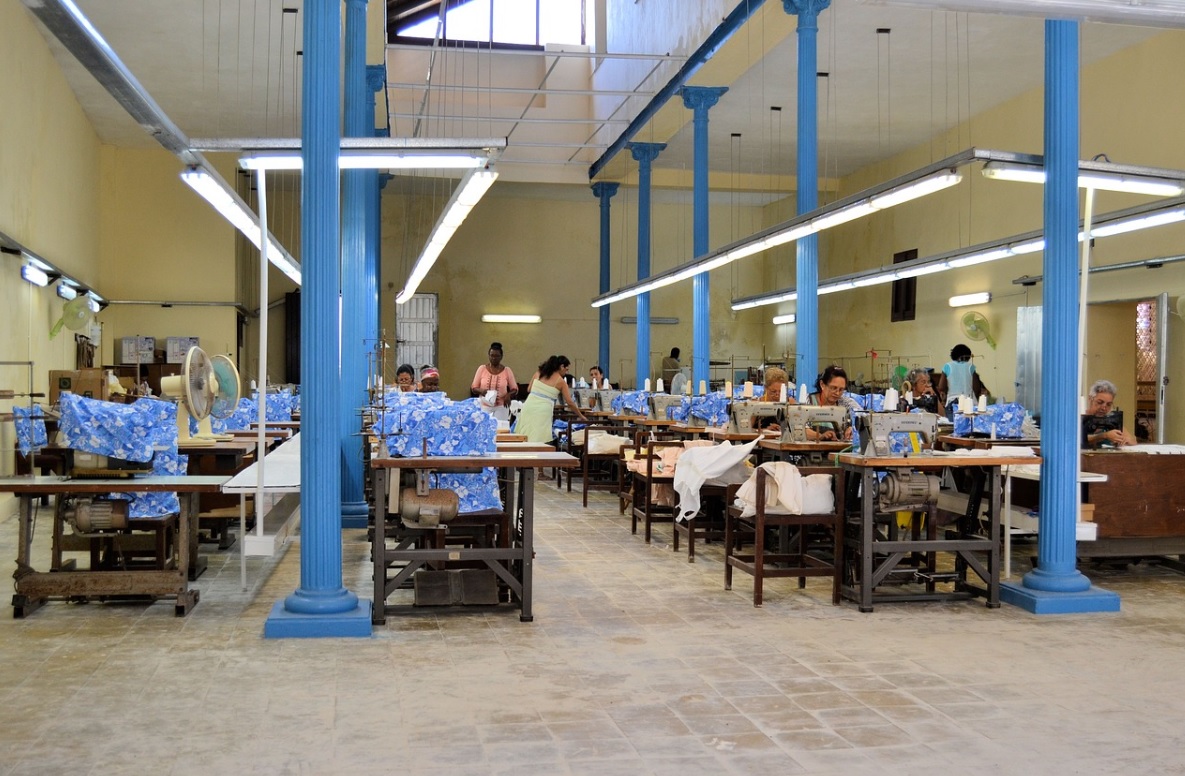
Workers making clothes in Cambodia for major global fashion brands face increased risk of abuse due to a new law, trade unions said, as they slammed the government for sidelining them.
Some 800,000 Cambodians working in clothing factories, mostly young women, face an uncertain future as the European Union (EU) has threatened to introduce trade sanctions over the country's record on democracy and human rights. In a fresh blow to unions calling for greater workers' rights, Cambodia passed a law last week that activists say leaves workers vulnerable to abuses in a country where the Walk Free Foundation says one in 60 people are modern-day slaves.
"The latest round of ... amendments further curtail workers' labor and human rights by severely limiting their freedom of association, and rights to organize and collective bargaining," 36 unions and advocacy groups said in a statement this week. A government spokesman said that due process had been followed and unions had missed their chance to air grievances during talks about the changes.
"They should have challenged before the law was passed," government spokesman Phay Siphan told the Thomson Reuters Foundation. "Now it has become law, what can they do? Just respect the law." Last week's amendments were to Cambodia's 2016 law governing trade unions, which has been heavily criticized as a tool to stifle worker voices and union activity.
Leaders of independent unions said this month's changes ignored international standards and U.N. recommendations, and that they were largely excluded from talks between representatives of government, employers, and workers. "At that meeting, there was an overrepresentation of pro-government unions, government officials, and employers' representatives," the statement by the 36 groups said.
One prominent union leader contacted by the Thomson Reuters Foundation said he was not invited to the talks, while a second was unable to attend, having received only a day's notice. "The adoption of these amendments has been done to protect the interests of the government and employers," said Sok Kin, president of the Building and Wood Workers Trade Union Federation of Cambodia, who attended the talks.
"Unions will still have problems in carrying out their activities and protecting the rights and interests of members." The unions and activists have called on the government to reconsider the amendments - taking into account recommendations from the U.N.'s International Labour Organization (ILO).
"The ILO ... has outlined where the law needs to be," said William Conklin of the Solidarity Center, a U.S.-based charity that promotes labor rights, adding that about 25 trade unions met to agree priorities ahead of the tripartite talks. He said that the changes represent "partial progress" on some of those priorities but largely address "low-hanging fruit."
"The question is: If you make some steps in the right direction, but are still in negative territory, is that enough?" asked Conklin, the charity's director in Cambodia. ILO representatives were not immediately available for comment.
ALSO READ
-
€40m Boost Opens New Doors for Cultural and Creative Businesses in Belgium
-
Belize Communities Take the Lead in New Push for Jobs, Skills and Stronger Futures
-
Hotter Years, More Cavities? Understanding Link Between Climate and Dental Health
-
Europe’s Rare Earth Wake-Up Call: Turning Years of Research Into Factories That Last
-
Lebanon’s Small Business Owners Build Skills and Market Links With EU and ILO Support


 Google News