

UN rights chief urges Belarus neighbours to protect asylum-seekers
Illegal migrants and asylum-seekers are entitled to food, water and medical care and any asylum claims should be examined individually, she said. Poland, Lithuania and the EU have accused Belarus of encouraging migrants, mostly from Iraq and Afghanistan, to cross the borders in order to put pressure on the bloc over sanctions Brussels imposed on Minsk over human rights abuses.
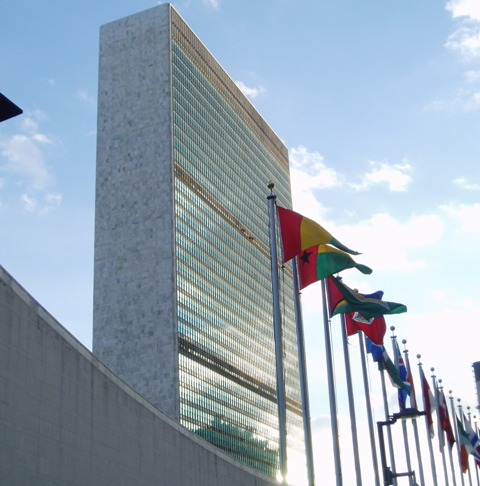
The United Nations human rights chief called on Belarus' neighbors on Friday to protect asylum seekers after four people died near the Polish border earlier this week amid a surge in illegal migration across the European Union's eastern frontier. Michelle Bachelet also told the U.N. Human Rights Council that Belarusian authorities had clamped down on fundamental freedoms, with arrests of activists and journalists "on what routinely appear to be politically-motivated charges".
"I take this opportunity to remind all governments that under international law, no one should ever be prevented from seeking asylum or other forms of international protection," Bachelet told the Geneva forum. Illegal migrants and asylum-seekers are entitled to food, water, and medical care and any asylum claims should be examined individually, she said.
Poland, Lithuania, and the EU have accused Belarus of encouraging migrants, mostly from Iraq and Afghanistan, to cross the borders to put pressure on the bloc over sanctions Brussels imposed on Minsk over human rights abuses. Polish officials said on Monday three people had died after crossing into Poland from Belarus, while a fourth person died inside Belarus. Authorities on both sides gave no cause for death.
On Friday Polish border guards reported a fifth death - of an Iraqi man, probably from a heart attack - in the border area. POLICE BRUTALITY
On the political situation in Belarus, Bachelet said more than 650 people were believed to be imprisoned due to their beliefs and there had been no genuine investigations into police brutality and mistreatment. Yury Ambrazevich, Belarus ambassador to the U.N. in Geneva, rejected her report as being full of "unfounded statements and false accusations".
Echoing Bachelet's concerns, U.S. ambassador Benjamin Moeling denounced what he called "politically-motivated trials and severe sentences that have followed". The EU's envoy, Lotte Knudsen, also sharply criticized the Minsk authorities. President Alexander Lukashenko, who has ruled Belarus since 1994, has cracked down hard on protesters since claiming victory in a presidential election in August 2020 that his critics say was rigged. He denies the accusations.


 Google News