

EU seeks to upgrade safety rules for blood, tissue, cell donations
The proposal, to cover substances of human origin except organs, would seek to harmonise rules across the 27-nation European Union to ease cross-border exchanges, improving patient access to therapeutics and allowing more innovation. Each year, 4.6 million people in the EU receive blood transfusions, 36,000 get stem cell transplants and 2,000 require skin transplants for burns and other injuries.
- Country:
- Belgium
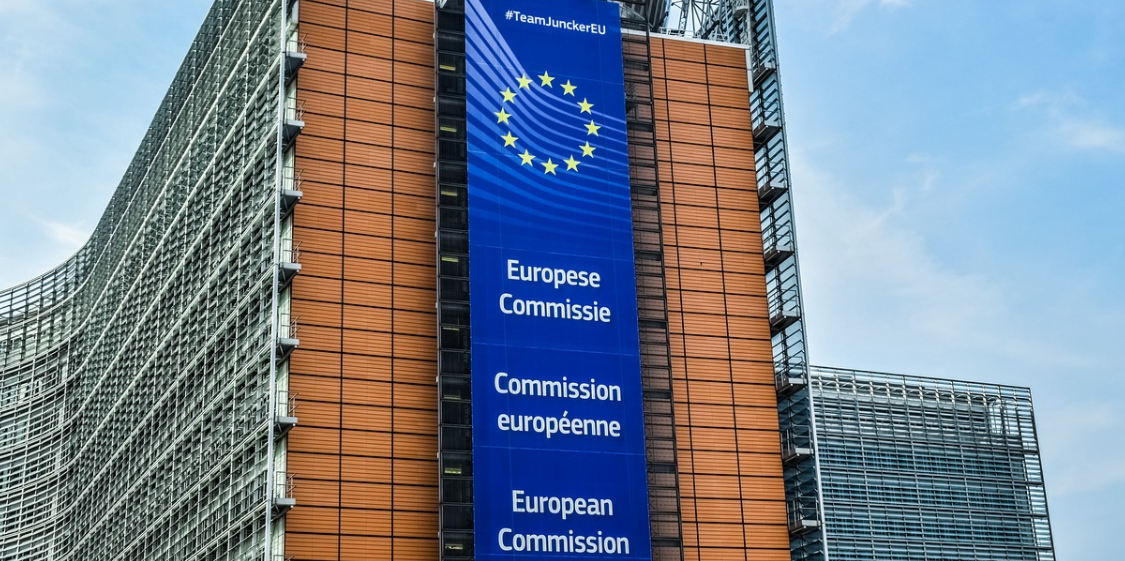
The European Commission proposed on Thursday updated rules on blood, tissue, and cells to provide greater protection to donors and recipients and to increase access to innovative transfusion and transplant therapies. The EU executive aims to extend 20-year-old rules to include babies born from medically assisted reproduction and donors, including the 15 million who give blood, as well as over 34,000 stem cell donors and more than 39,000 egg donors every year.
Screening should protect the 165,000 children born per year from donated eggs, sperm, or embryos against genetic disorders. The updated rules would seek to protect donors from exploitation and risks to their health and require improved follow-up and reporting of adverse effects of donating.
They would also extend monitoring to other substances of human origin, such as breast milk and fecal microbiota that can be transplanted into a patient to improve their digestive systems. The proposal, to cover substances of human origin except for organs, would seek to harmonize rules across the 27-nation European Union to ease cross-border exchanges, improve patient access to therapeutics, and allow more innovation.
Each year, 4.6 million people in the EU receive blood transfusions, 36,000 get stem cell transplants and 2,000 require skin transplants for burns and other injuries. The proposal also seeks to ensure the bloc is more self-sufficient, with access to life-saving treatments even during a crisis. Currently, the EU imports up to a third of the blood plasma it requires, mostly from the United States.
Unlike the United States, the EU remains committed to voluntary and unpaid donations, which it sees as protecting donors from exploitation. The new rules, which the European Parliament and EU governments will need to approve, will serve as an EU-wide guide, but individual EU countries will be free to have more stringent rules.
ALSO READ
-
Lebanon’s Small Business Owners Build Skills and Market Links With EU and ILO Support
-
Poltava University Reopens With Safer, Greener Spaces for Nearly 3,000 Campus Users
-
UNDP Urges Recovery From Day One as 160 Million People Risk Being Trapped in Crisis
-
UNESCO and EU Put Trusted News and Free Expression at the Heart of Mediterranean Pact
-
Crédit Agricole CIB gets €2.4 billion in investment in European energy grids


 Google News