

Civilians in Sudan continue to face litany of violations and sexual violence
Reports from our protection and field teams in neighboring Chad, Central African Republic, Egypt and South Sudan have also described the horrific ordeals faced by women and girls in Sudan.
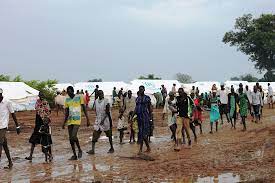
Civilians in Sudan continue to face a litany of human rights violations, abuses and sexual violence. This is according to the findings of a new Protection Brief from UNHCR, the UN Refugee Agency.
Despite agreed ceasefires and commitments by the parties to abide by international humanitarian law and given the collapse of law and order and related widespread criminality, civilians remain at imminent risk of attack – killed, injured, assaulted and robbed, especially in areas of intense fighting in Khartoum, Kordofan and Darfur states.
Reports from our protection and field teams in neighboring Chad, Central African Republic, Egypt and South Sudan have also described the horrific ordeals faced by women and girls in Sudan. Shocking incidents of sexual violence, including rape, sexual assault, sexual exploitation and physical violence, have been reported by women and girls who have fled the conflict. These incidents are reportedly perpetrated by fighters, criminals and smugglers against civilians in Khartoum and other areas, as well those on the move.
In addition to lasting physical, sexual, reproductive and mental health consequences, some survivors have now arrived in neighboring countries pregnant as a result of rape. Although women and girls are disproportionally affected by sexual violence, boys and men are also reported to be among the survivors. Yet specialized services remain limited in transit and reception facilities.
Women have also cited the risk of gender-based violence (GBV) as a reason for their flight from Sudan – concerned for their personal safety and that of their children. Some have reported fighters looting homes and sexually assaulting women and girls, while others have shared reports of sexual harassment and sexual exploitation, including at checkpoints or during their journeys to safety. Adolescent girls are facing an increased risk of child marriage as some families are forced to resort to this harmful practice – reportedly in an attempt to "shield" them from further risks of sexual violence, assault or exploitation.
Children also remain at acute risk of physical and psychological harm, amid reports in Sudan of killing, maiming and recruitment of youngsters into armed forces. Some have been separated from or have lost family members or other caregivers, rendering them even more vulnerable. They may experience severe mental health and psychosocial consequences from the experience of conflict and flight, with further risk of neglect, violence and exploitation in situations of displacement. Deprived of family and community support systems and care, children are even more at risk of forced labour, recruitment, trafficking or GBV, especially in East Sudan.
While smuggling networks existed before the conflict, particularly in eastern Sudan, smuggling and human trafficking risks are clearly on the rise. This may be partially due to the lack of alternative opportunities to reach the border, the urgency of people to escape insecurity and deprivation, forcing them to resort to taking dangerous routes. Refugees fleeing certain areas, including Eastern Sudan, have reported that some smugglers are adjusting their models, shifting routes to meet demand and charging exorbitant amounts for journeys to neighboring countries.
The shocking array of human rights violations – including attacks and violence against civilians – must stop. Women, girls, men and boys trying to access safety and security, protection and assistance within or outside Sudan must be able to do so in a safe and non-discriminatory manner. Continued and effective access by humanitarian actors, including national and international NGOs, is also crucially needed to ensure critical aid can be delivered immediately to the most vulnerable.
UNHCR reiterates its call on all States to keep their borders open for civilians fleeing Sudan and to remove any impediments to entry in order to ensure people – including undocumented individuals – are able to effectively access protection and assistance, mitigate risks of additional violence and exploitation and prevent people from having to resort to the help of smugglers.
ALSO READ
-
Deepening Funding Cuts Push Nearly 6 Million Refugee Children Out of School
-
Sudan Shelter Drone Strike Reportedly Kills a Boy and Injures 12 Children
-
Malaysia’s Return of 1,476 People to Myanmar Raises UNHCR Fears Over Their Safety
-
Refugee Protection Nears Breaking Point: UN Funding Cuts Put 8.3 Million Lives at Risk
-
Sudanese Families Flee to Chad as Violence Surges and Refugee Support Falls Behind


 Google News