

Transcript of PTI's exclusive interview with Prime Minister Narendra Modi
Markets, trade, technology, and policy all aspects of international cooperation are crucial in creating such opportunities.Such alternatives can enhance energy security, create opportunities for domestic industry, and create green jobs all crucial elements in ensuring a transition that leaves no one behind.Q Even your critics have admired the way you made G-20 a buzzword during Indias Presidency and planned a year-long calendar of high-profile meetings across the country.
- Country:
- India
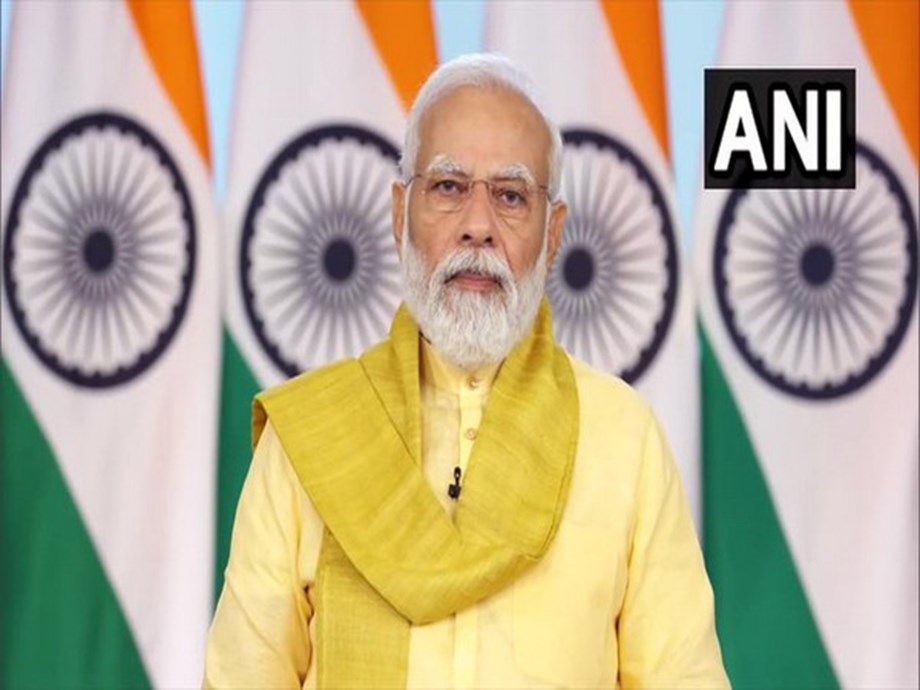
Following is the transcript of PTI's exclusive interview with Prime Minister Narendra Modi by Editor-in-Chief Vijay Joshi and senior editors late last week at his Lok Kalyan Marg residence. In the electric vehicle revolution, India is playing an important role in both innovation and adoption.
We are perhaps the first among the G20 countries to have achieved our climate targets 9 years ahead of the scheduled date. Our action against single-use plastic has been recognized across the world. We have also made great strides in safe sanitation and cleanliness.
Naturally, we have moved from being just a member of global efforts to playing a leading role in many initiatives. Initiatives like the International Solar Alliance and Coalition for Disaster Resilient Infrastructure are bringing countries together for the planet. The ISA has got a great response with over 100 countries joining it! Our Mission LiFE initiative focuses on Lifestyle for Environment. Today, in each society we have people who are health conscious. What they buy, what they eat, what they do – each decision is based on how it serves their health. Their choices are not only guided by how it will affect them today but also by the long-term impact. Similarly, people across the world can come together to become planet conscious. Each lifestyle decision can be made based on what impact it will have on the planet in the long term.
Now, the biofuel alliance is another step in this direction. Such alliances are aimed at creating options for developing countries to advance their energy transitions. Biofuels are also important from the perspective of a circular economy. Markets, trade, technology, and policy – all aspects of international cooperation are crucial in creating such opportunities.
Such alternatives can enhance energy security, create opportunities for domestic industry, and create green jobs – all crucial elements in ensuring a transition that leaves no one behind.
Q: Even your critics have admired the way you made G-20 a buzzword during India's Presidency and planned a year-long calendar of high-profile meetings across the country. This was unprecedented. How did you envisage this concept of spreading G-20 meetings across India. What was the rationale behind this strategy? A: We have observed many instances in the past where some countries, even if small in size, took up the responsibility of organising high-profile global meets, including ones like the Olympics. These mega congregations had a positive and transformational impact. They spurred growth and changed their outlook towards themselves and also the way the world started to recognize their abilities. In fact, it became a turning point in their development journey.
India, across its various states, union territories and cities has so much potential to welcome, host and connect with the world.
Unfortunately, in the past, there used to be an attitude of getting things done right here in Delhi, in and around Vigyan Bhavan. Perhaps because it was an easy way out. Or perhaps because those in power lacked confidence in the people of different parts of the country to successfully execute plans of such scale.
I have great belief in the abilities of our people. I come from an organizational background and there are many experiences during that phase of life from which I learned a lot. I had the privilege of witnessing first-hand the feats common citizens were capable of when given a platform and an opportunity. So, we reformed the approach.
If you observe carefully, over the years, we trusted the people of every region. Here are some examples. The 8th BRICS Summit happened in Goa. The 2nd FIPIC summit involving many Pacific Island nations happened in Jaipur. The Global Entrepreneurship Summit happened in Hyderabad.
Similarly, we ensured that many foreign leaders who visited our country were hosted at various places across the country rather than just in Delhi. The same approach is continuing in G20 too, at a larger scale. By the time our G20 Presidency term ends, over 220 meetings would have happened across 60 cities in all 28 states and 8 union territories. Over 1 lakh participants from around 125 nationalities would have witnessed the skills of Indians. Over 1.5 crore people in our country have been involved in these programmes or have come in touch with some aspects of them.
Each such global scale assignment has pushed capacity building in several domains such as management of logistics, hospitality, tourism, soft skills, and execution of projects, among others. This has been a big boost to the self-confidence of the people of each region. Now, they know they can deliver something world-class. This capacity and confidence will also get channelized into various other constructive endeavours that will push progress and prosperity.
Moreover, we are not only conducting meetings across all states but each state is also ensuring they leave their unique cultural stamp on the minds of the delegates. This is also giving the world an idea of India's incredible diversity. I have also appealed to various states during the Chief Ministers meeting that they should ensure that each state continues to strengthen its relationship with the delegates who visited them during G20 and their countries. This will also open up a lot of opportunities for the people in future.
So, there is a deeper plan behind the decentralization of the activities related to G20. We are investing in capacity building in our people, our institutions and our cities.
ALSO READ
-
Japanese Lawmakers Visit India to See Worker Protection and Skills Projects in Action
-
Indian Unions Push for Fair Recruitment and Rights for Care Workers in Germany
-
Cleaner Kitchens, Polluted Skies: Hidden Health Cost of India’s Electricity Boom
-
Japan-Backed ILO Projects Help 23,000 Workers Gain Rights and Fight Child Labour
-
India's Delicate Balancing Act: Navigating Energy Security Amid Middle Eastern Tensions


 Google News