

UN expert publishes policy brief for implementation of human rights-based climate finance
The brief includes four key actions to mobilise trillions of dollars: a global climate pollution tax, redirecting fossil fuel subsidies, wealth taxes and debt relief for States in the Global South.
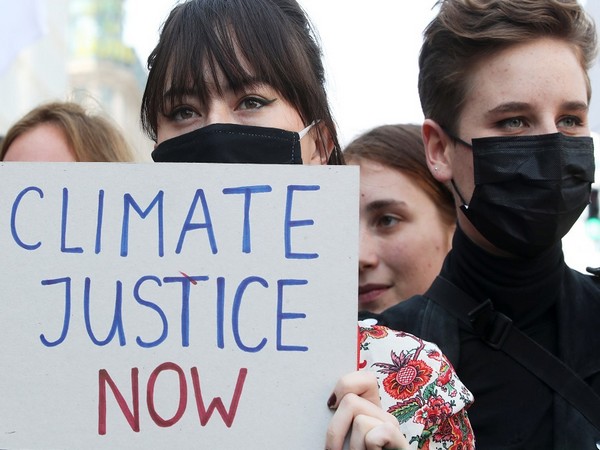
Ahead of COP28 in Dubai, the Special Rapporteur on Human Rights and the Environment, David Boyd, has published a policy brief calling for the implementation of a human rights-based approach to climate finance.
The brief includes four key actions to mobilise trillions of dollars: a global climate pollution tax, redirecting fossil fuel subsidies, wealth taxes and debt relief for States in the Global South.
"The climate crisis is a human rights crisis. The situation for billions of people is already dire today and will be worse tomorrow and, in the years, ahead unless the world wakes up and takes urgent actions that are long overdue," Boyd said.
The unprecedented climate emergency threatens a myriad of human rights including the rights to life, health, food, water and sanitation, education, development, an adequate standard of living, the rights of children, the rights of women, girls and gender diverse persons, cultural rights, and the right to a clean, healthy and sustainable environment.
"Yet, despite the catastrophic consequences and compelling urgency to act, States, businesses, and the world's wealthiest people continue to pursue business as usual while Earth burns," the expert said.
The climate emergency is everywhere, but is disproportionately harming people in the Global South, especially inhabitants of small island developing States, low-income countries, and lower middle-income countries, he warned.
"These people have done virtually nothing to cause or contribute to the climate crisis that is upending their lives, exacerbating hardships and violating their rights," Boyd said. "States in the global South need trillions of dollars in funding: to compensate for the losses and damage they have already suffered and are continuing to suffer; to adapt to the impacts of climate change; and to achieve low carbon development."
After decades of failure to generate the volume of financial resources needed to address the climate crisis, and in particular the impact on States in the Global South, a new approach is clearly needed.
"A rights-based approach to climate finance confirms that wealthy states have a moral and legal obligation to finance their fair share of loss and damage in low-income countries, small island developing States, and other climate-vulnerable developing countries as well as mitigation and adaptation costs," the expert said.


 Google News