

UNHCR-OECD Report Shows Significant Rise in Permits for Refugees in OECD Countries
The report reveals that nearly 215,000 permits were issued in 2022 across 37 OECD countries and Brazil, up from 156,000 in 2021 and 127,000 in 2020.
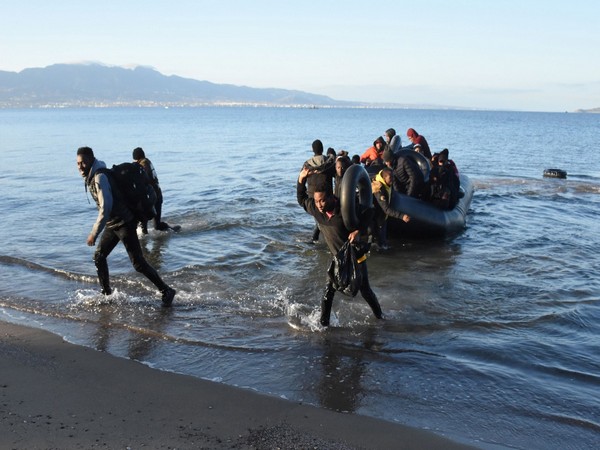
The UN Refugee Agency (UNHCR) and the Organisation for Economic Co-operation and Development (OECD) have released a new report indicating a significant increase in the number of permits granted to refugees for study, work, family reunification, and sponsorship by OECD countries. According to the report titled "Safe Pathways for Refugees," there was a 38% growth in these permits in 2022 compared to the previous year.
The report reveals that nearly 215,000 permits were issued in 2022 across 37 OECD countries and Brazil, up from 156,000 in 2021 and 127,000 in 2020. These figures represent the highest number of permits issued since 2017, surpassing pre-pandemic levels. The majority of these permits were for family reunification, which accounts for over 50% of all permits issued last year.
Ruven Menikdiwela, UNHCR Assistant High Commissioner for Protection, emphasized the importance of collaborative efforts among countries to address the increasing global displacement. Menikdiwela highlighted that these complementary admissions to third countries not only protect refugees but also allow them to contribute to their new communities and relieve pressure on host countries.
The UNHCR has praised the ongoing efforts of governments and other partners in providing safe and lawful pathways for refugees. These efforts are part of the broader goals outlined in the Roadmap 2030, which aims for 2.1 million complementary admissions for refugees by 2030. Following the Global Refugee Forum in December 2023, various countries and actors have made pledges to expand access to these pathways, which include family reunification and the issuance of refugee travel documents.
The report also calls on states to address challenges that hinder refugee admissions, such as high relocation costs, strict documentation requirements, and the non-recognition of qualifications. It suggests that such barriers can be overcome through solutions like the issuance of machine-readable travel documents that facilitate easier travel. Furthermore, the UNHCR is advocating for improved data collection to better understand refugee movement patterns and enhance their inclusion in regular migration streams.


 Google News