

Record Voter Turnout Anticipated in South Africa's Pivotal Election
The Independent Electoral Commission (IEC) of South Africa is optimistic about a record voter turnout for the general elections. Over 937,000 special votes have been cast. IEC Chief Executive, Sy Mamabolo, praised the electoral staff's efforts but warned against unlawful interference. The election is highly contested, with 52 political parties and multiple independent candidates.
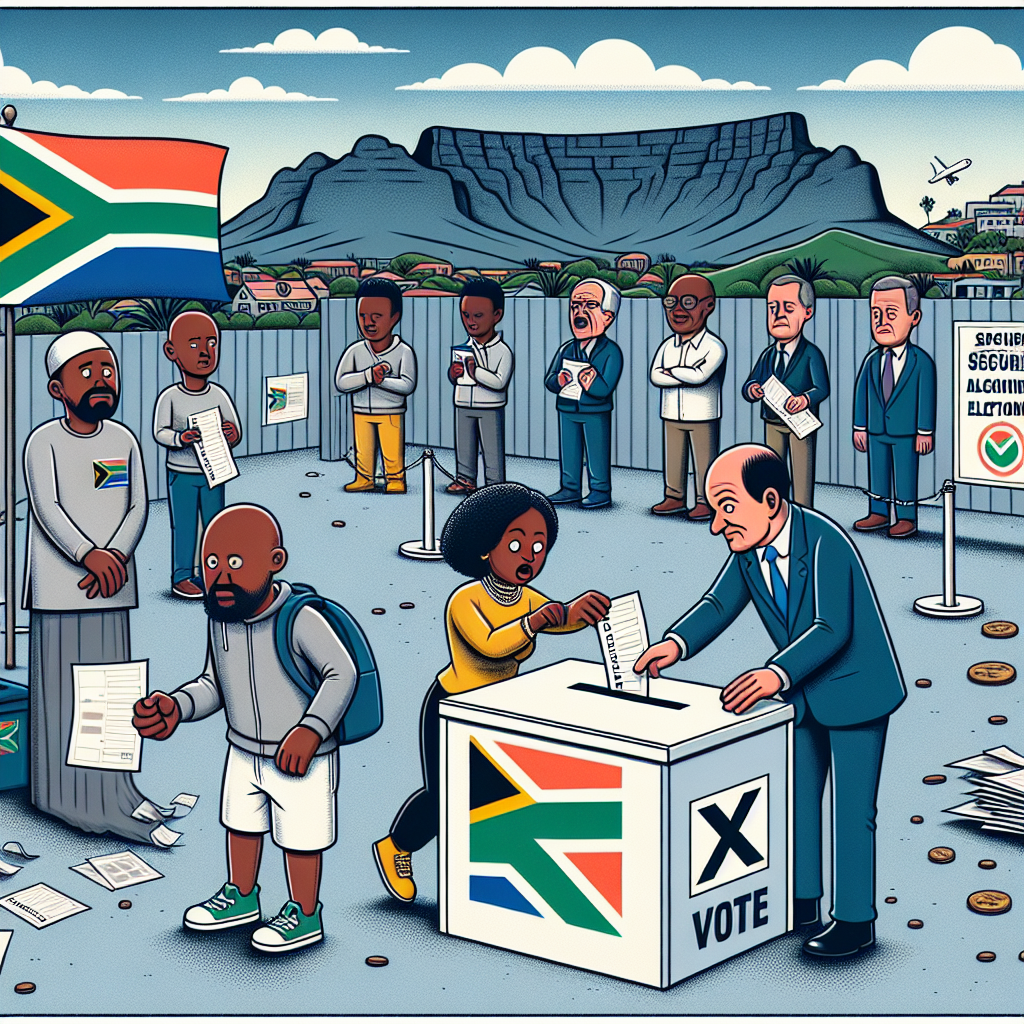
South Africa’s Independent Electoral Commission (IEC) remained optimistic that a record number of voters would show up on Wednesday for the country’s general elections.
At a media briefing on Tuesday evening, the IEC said it was buoyed by the 937,144 voters on the second and final day of the special voting which was scheduled for those who would be working on election day or unable to go to polling stations due to disability, old age, or other reasons.
“This figure is much higher than was the case in the previous elections and augurs well for an improved voter turnout tomorrow,” said IEC Chief Executive Sy Mamabolo.
Commending the election commission's staff, he said, “We are impressed with the diligence of the electoral staff who visited voters at homes and places of confinement in order to administer home visits.'' ''This category of voters would otherwise have been unable to record their political choices,” he added.
Mamabolo said the Commission, however, remained concerned about incidents of unlawful conduct directed at its operations or against electoral officials.
“Accordingly, we urge all South Africans, including political party members, supporters, and ordinary citizens, to allow electoral officials to carry out their responsibilities without hindrance,” he said.
He was referring to earlier confirmation by the IEC about the arrest of at least three suspects for alleged interference with electoral processes in the KwaZulu-Natal and Mpumalanga provinces.
Mamabolo urged members of the public, including political parties to refrain from acts inciting violence as well.
Wednesday's election is the most hotly contested since Nelson Mandela was elected as the country’s first democratic president in 1994.
Analysts have widely predicted that the African National Congress, which has been the ruling party since then, is likely to lose its majority and may have to enter into a coalition government after the polls.
There are 52 political parties, and for the first time, scores of independent candidates contesting the national and provincial elections.
ALSO READ
-
AfDB selects four green hydrogen projects of $20 million grants in Africa
-
Following Money: South Africa’s Trade Gaps Point to Possible Illicit Flows
-
South Korean President Lee Jae Myung Rules Out Second Term
-
Brazil's Presidential Runoff: Lula vs. Bolsonaro in Tight Race
-
Brazil's Welfare Boost Amid Election Tensions: Economic Lifeline or Political Strategy?


 Google News