

Traditional Pottery Resurgence Amid Gaza Crisis
The severe electricity shortage in Gaza has revived the traditional craft of pottery as 2.3 million displaced residents seek alternatives for cooling water. Potters now use foot-operated wheels due to fuel scarcity, and demand for cooking pots has dropped amidst food shortages. The humanitarian crisis has exacerbated hardship for both residents and artisans.
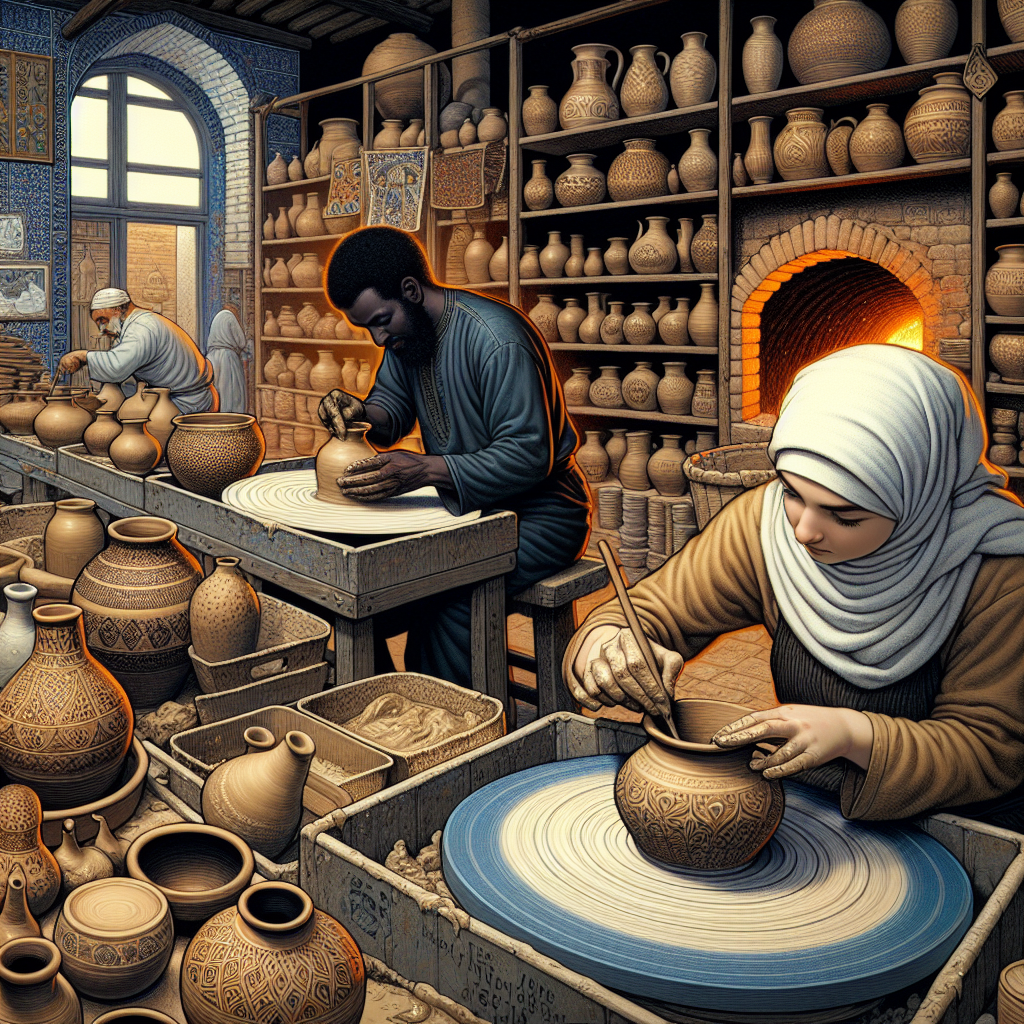
The severe electricity shortage in Gaza has led to a resurgence in traditional pottery-making among the displaced population of 2.3 million. With refrigerators useless, clay pots have become essential for keeping water cool.
"People are now replacing fridges and cold water in refrigerators with clay pots," said Bahjat Sabri Attallah, owner of a pottery factory. The demand has soared amid the Israeli military offensive that destroyed much of the region.
Potters face significant challenges as they revert to using foot-operated wheels and wood-powered kilns instead of the now-unavailable electric machines and fuel. Despite the hardships, the community perseveres, adapting age-old practices for modern survival. Shopkeeper Mahmoud Khidr attests to the necessity of pottery in these conditions, as humanitarian crises loom large with food, fuel shortages, and disease outbreaks.


 Google News