

Transgender Community at Risk: India’s Penal Code Overhaul Sparks Fears
India's revamped penal code has removed safeguards for transgender individuals against sexual violence, sparking fears within the community. Activists are advocating for the restoration of protections previously provided under Section 377. The new code limits rape cases to male perpetrators and female victims, increasing vulnerability for trans people.
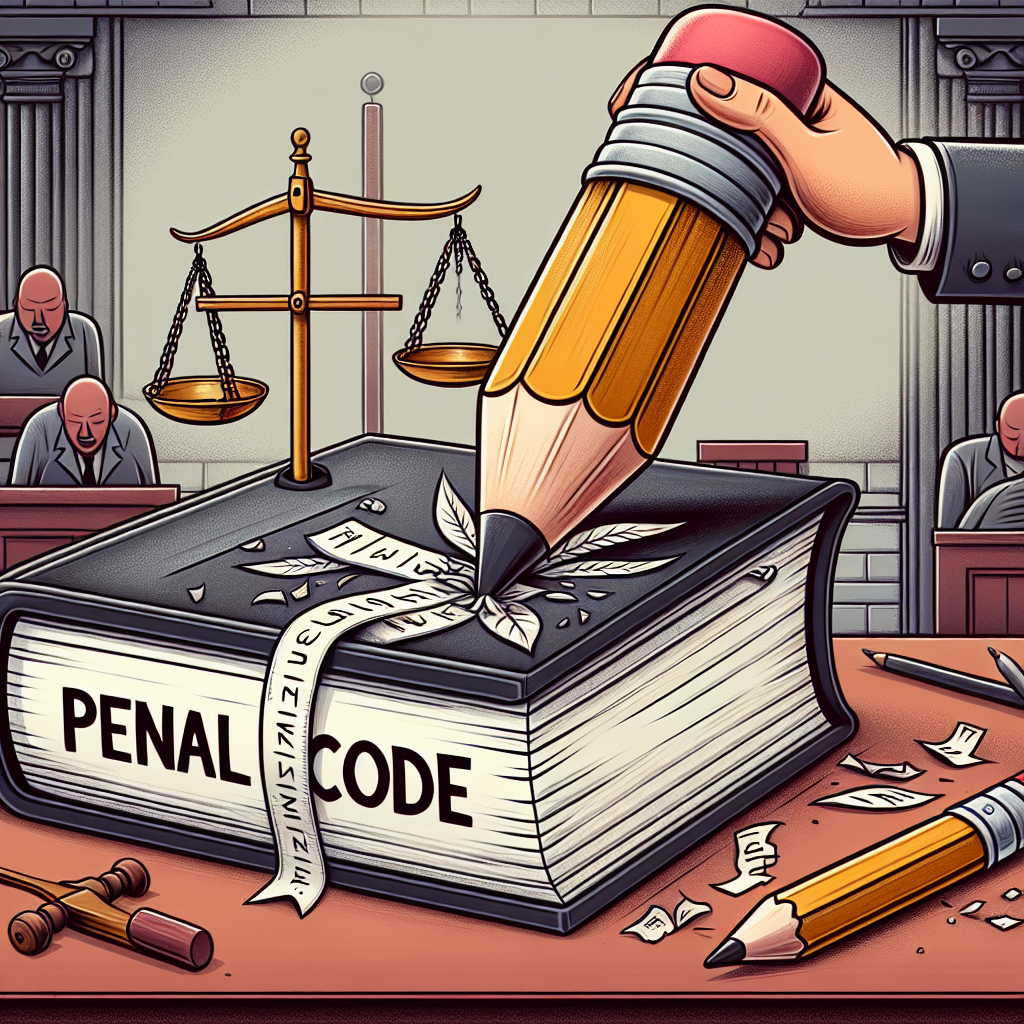
The overhaul of India's 160-year-old penal code has ignited fears among the transgender community, leaving many vulnerable to sexual violence without sufficient legal protections.
Activists assert that the removal of safeguards, previously ensured under Section 377, places transgender individuals in significant danger. The new code restricts rape cases to male perpetrators and female victims, furthering the community's vulnerability.
Lobbyists are urging the government to reinstate these protections, emphasizing that the lack of specific laws for trans people will lead to more instances of abuse. Despite promises from officials to create a more equitable justice system, activists and trans individuals remain deeply concerned about their safety.
ALSO READ
-
Japanese Lawmakers Visit India to See Worker Protection and Skills Projects in Action
-
Indian Unions Push for Fair Recruitment and Rights for Care Workers in Germany
-
Cleaner Kitchens, Polluted Skies: Hidden Health Cost of India’s Electricity Boom
-
Japan-Backed ILO Projects Help 23,000 Workers Gain Rights and Fight Child Labour
-
India's Delicate Balancing Act: Navigating Energy Security Amid Middle Eastern Tensions


 Google News