

Sharp Surge in U.S. Federal Deficit Amid Increased Spending
The U.S. federal government reported a significant budget deficit of $129 billion in January, up from $22 billion the previous year, due to increased payouts in Social Security, Medicare, and interest expenses, among others. Fiscal data shows an overall increase in both receipts and outlays for the period.
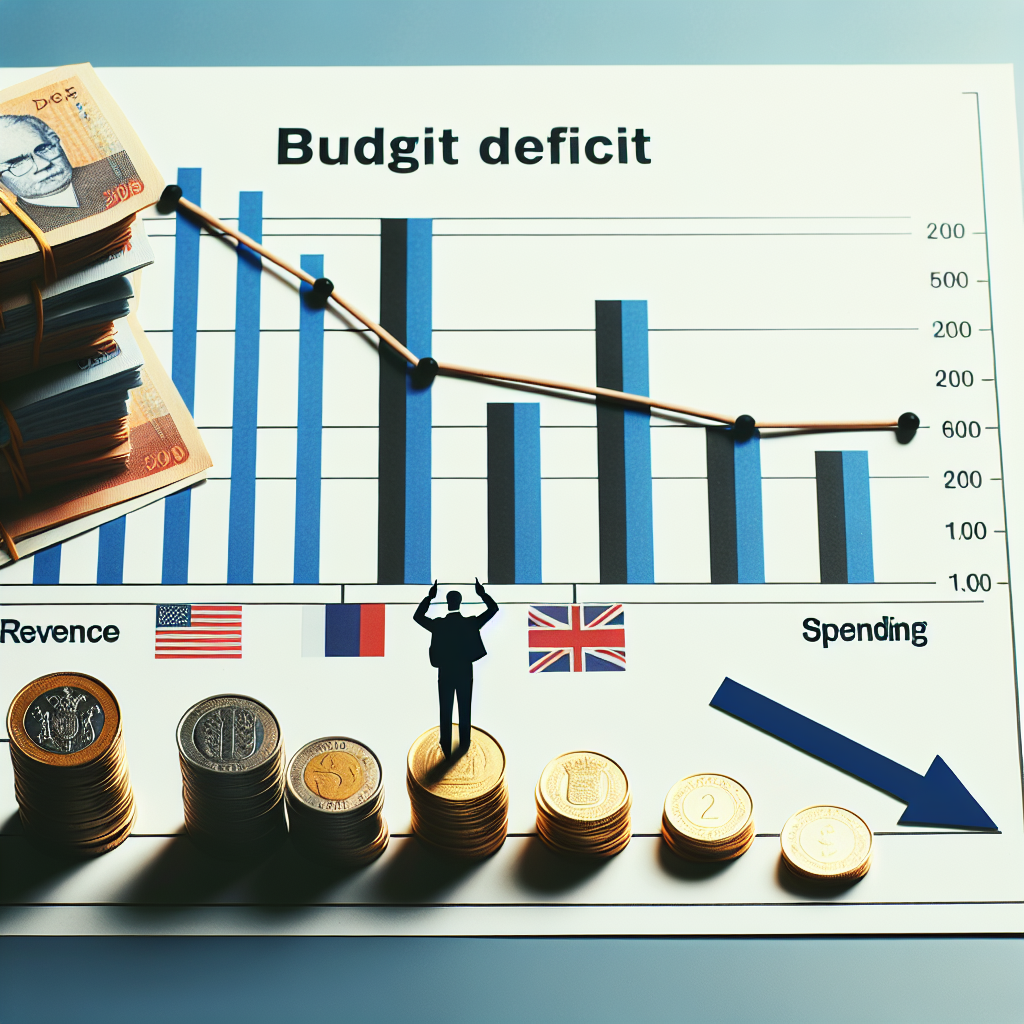
The U.S. Treasury Department announced on Wednesday a steep rise in its budget deficit for January, hitting $129 billion. This marked a substantial increase from the atypically low $22 billion recorded in January 2024. The rise was attributed to calendar-driven benefit payment shifts and escalated federal expenditures on Social Security, Medicare, and interest payments.
While the January receipts climbed 8% year-over-year to $513 billion, spending surged by 29% to reach $642 billion. An adjusted deficit figures report that factoring in calendar shifts indicate a narrower January deficit of $21 billion. Yet, the Treasury's forecasting does not incorporate the Department of Government Efficiency initiative led by Elon Musk, which sparked controversy earlier.
Deficits for the fiscal year's first four months amounted to a record $840 billion, up 58% from last year, partially due to deferred tax payments impacting earlier comparisons. Increased spending on disaster relief, military, and social security contributed to these numbers, painting a complex picture of the nation's fiscal landscape.
ALSO READ
-
American Leverage: Diplomatic Tug of War Over Yen Weakness
-
Brazil's Welfare Boost Amid Election Tensions: Economic Lifeline or Political Strategy?
-
U.S. Targets Iranian Crypto Exchange in Sanctions Crackdown
-
Brazil Boosts Bolsa Familia: A Strategic Move for Re-election
-
Bruno Moretti's Bold Move: Bolsa Familia Boost Amid Re-election Bid


 Google News