

Empowering Communities: The Role of Media in Strengthening Democracy and Social Change
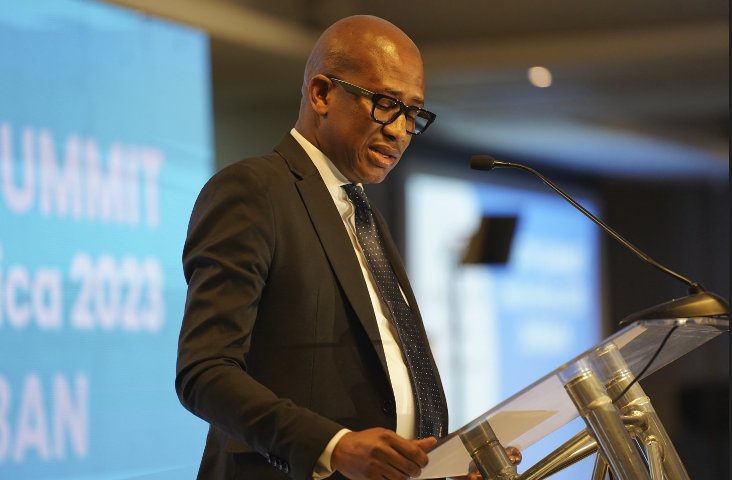
According to Morolong, communication within the government extends beyond bureaucratic functions—it is a constitutional responsibility.
- Country:
- South Africa
In an era where information equates to power, community media emerges as a fundamental pillar in amplifying marginalized voices, promoting social transformation, and fortifying democracy. Recognizing this, Deputy Minister in the Presidency, Kenny Morolong, has highlighted the critical role of community media in fostering civic engagement and supporting local development initiatives.
Government's Commitment to Effective Communication
During the Parliament's Portfolio Committee on Communication and Digital Technologies' oversight visit to the Government Communication and Information System (GCIS) in Pretoria, Morolong urged the agency to leverage strategic partnerships to inform citizens about the government's social transformation agenda.
"We have a network of communicators across all three spheres of government to ensure effective coordination," Morolong stated, underscoring the necessity of enhancing professional capacity within government communication structures. Additionally, he emphasized the urgency of adapting to the rapid expansion of digital and new media to bridge the communication gap between the government and the public.
According to Morolong, communication within the government extends beyond bureaucratic functions—it is a constitutional responsibility.
"An appreciation of this premise ensures that we uphold the Constitution's principles, including the protection of political, social, and other fundamental rights," he added.
Enhancing Public Trust and Social Cohesion
Echoing Morolong's sentiments, GCIS Deputy Director-General for Intergovernmental Coordination and Stakeholder Management, Michael Currin, elaborated on the crucial role of effective communication in shaping national sentiment, fostering unity, and encouraging positive social behaviors.
"Through a well-coordinated communication system, the government proactively responds to the dynamic political and socio-economic landscape, establishing a direct connection with citizens," Currin explained. He further stressed that clear, coherent messaging is integral to building public confidence and strengthening national unity.
Oversight and Recognition of GCIS Efforts
Portfolio Committee on Communication Chairperson, Khusela Diko, praised GCIS's performance, particularly in the domain of community print media, which she described as vital for addressing key public concerns.
"I was impressed with the presentations on GCIS operations and programs. These discussions enable lawmakers to grasp the core issues affecting citizens," Diko told SAnews.
Diko reaffirmed that insights from these engagements would refine the committee's oversight strategies.
"We hope that GCIS and its collaborations will continue to empower individuals with essential information, enabling them to improve their quality of life," she said.
She also highlighted the importance of citizens being informed about employment opportunities, entrepreneurial ventures, and government services.
"When South Africans can confidently say, 'I know what my government is doing for me and how I can access services,' we will have successfully fulfilled our mandate," she asserted.
GCIS: Strengthening Government Transparency and Accessibility
Established in 1998 under the Presidency, GCIS remains dedicated to reinforcing government communication, enhancing transparency, and ensuring that citizens stay informed about policies, programs, and achievements. By embracing innovation and harnessing new media, it continues to play a vital role in fostering an engaged and knowledgeable society.
Bringing Government Closer to the People
The Portfolio Committee remains committed to ensuring that government communication is both effective and accessible. In line with this, the committee is conducting oversight visits to various government entities in Gauteng, engaging with staff members, and evaluating government communication strategies.
Additionally, the committee has reviewed presentations from the Media Development and Diversity Agency (MDDA) and other relevant organizations, assessing their efficiency in disseminating essential information to the public.
By prioritizing transparency, accessibility, and strategic communication, the government aims to strengthen democratic participation and empower citizens with the information necessary to drive social and economic progress.


 Google News