

SA Launches Bold Overhaul of Budgeting Process to Cut Waste and Drive Growth
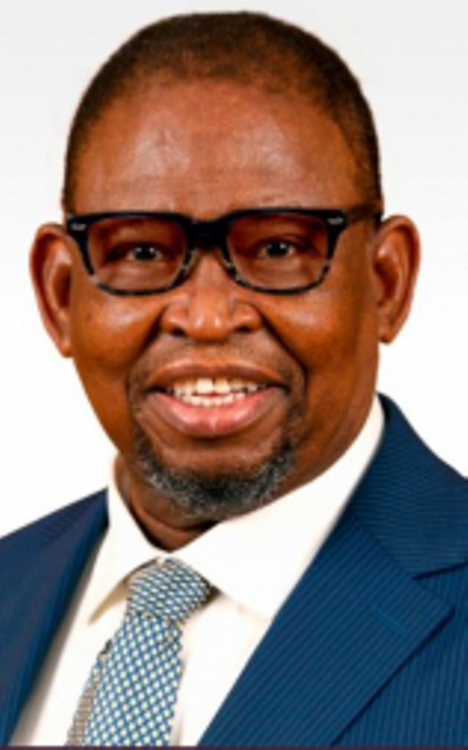
Finance Minister Enoch Godongwana announced that the government will begin implementing sweeping reforms to overhaul the 2026 Medium-Term Expenditure Framework (MTEF).
- Country:
- South Africa
In a significant move to restore fiscal discipline and improve public sector efficiency, South Africa's government is embarking on an ambitious reform of its budget process. The initiative, unveiled during the re-tabling of the 2025 Budget Review in Parliament on Wednesday, is set to unlock tens of billions of rands in potential savings by eliminating inefficiencies, waste, and underperformance across government programmes.
Redesigning the Budget Process for 2026 and Beyond
Finance Minister Enoch Godongwana announced that the government will begin implementing sweeping reforms to overhaul the 2026 Medium-Term Expenditure Framework (MTEF). The reforms follow extensive expenditure reviews conducted by National Treasury, which identified R37.5 billion in potential savings over time.
"These reforms are not just about cost-cutting," Godongwana told Parliament. "They are about improving the effectiveness and impact of public spending. Going forward, underperforming programmes will be closed, and funds redirected to initiatives that generate real economic and social value."
The redesign aims to recalibrate how the national budget is developed, with changes introduced progressively over several budget cycles. A focus will be placed on high-impact expenditure, capital investment, and robust performance monitoring.
Expenditure Reviews Reveal Deep Inefficiencies
Since 2013, National Treasury has examined over R300 billion in government expenditure across various sectors. The review process aimed to identify duplications, underutilized resources, and operational inefficiencies.
The findings were striking: billions of rands could be saved through improved oversight, streamlined operations, and better coordination across departments. One notable area of concern was payroll anomalies, including the continued presence of "ghost workers"—individuals receiving salaries without actually working for the state.
A more sophisticated, data-driven method of detecting payroll irregularities will now be adopted. Instead of relying on time-consuming and expensive censuses, the new system will use cross-referenced administrative datasets to root out fraud and enhance financial accountability.
Targeting Infrastructure and Capital Efficiency
The Treasury's reforms will also target long-standing issues in infrastructure planning and delivery, particularly at provincial and municipal levels. Delays, budget overruns, and poor maintenance of infrastructure projects have historically undermined public confidence and service delivery.
By improving capital budgeting systems, enhancing reporting standards, and applying evidence-based prioritisation, the government aims to channel resources into projects with strong economic returns and long-term benefits for communities.
Mitigating Tax Burdens Through Smart Spending
Treasury officials emphasized that if the government is successful in realising savings through the review recommendations, the need for new tax hikes in the 2026 budget could be avoided. In an environment where citizens are already burdened by high living costs, avoiding additional taxation would be a welcome relief.
Godongwana reiterated that effective fiscal management must balance discipline with investment in growth. "When an economy underperforms, as ours has over the last decade, it generates less tax revenue while requiring more social spending. This widens deficits and accelerates debt. We cannot allow this cycle to continue unchecked."
Securing Political Backing to Overcome Resistance
Crucial to the success of this initiative is strong and sustained political support. Godongwana confirmed that President Cyril Ramaphosa, Deputy President Paul Mashatile, and the Cabinet are fully committed to the reform programme.
President Ramaphosa has even pledged to establish a high-level joint committee between the Presidency and National Treasury. This body will be tasked with identifying and eliminating wasteful and inefficient programmes across government. The move signals a high degree of political will to confront entrenched interests and bureaucratic inertia.
"There will always be resistance to change," Godongwana admitted, "but we cannot afford to let departmental reluctance or fear of accountability stand in the way of progress. Whistleblowers who expose corruption and mismanagement must be protected, and accountability must be enforced."
Call to Action Across All Levels of Government
The Minister ended his address with a direct appeal to public servants. "I call on all Ministers, MECs, Directors-General, Heads of Departments, and every official entrusted with public funds to support these efforts. Fiscal reform is not the responsibility of Treasury alone—it is a shared national imperative."
With these structural changes, South Africa aims not only to close its budget gaps but to lay a more resilient foundation for inclusive and sustainable economic development.


 Google News