

RBI Strengthens Trilingual Communication Norms and Grievance Redress Mechanisms
By issuing its latest directive, the RBI has reinforced that all communications to customers, including written correspondences and notifications, must “invariably” follow the trilingual format.
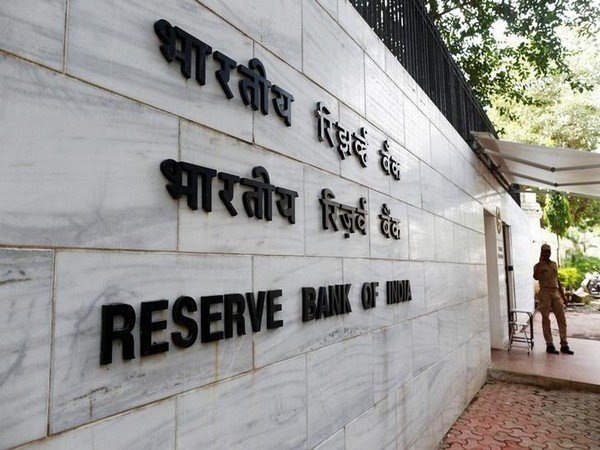
- Country:
- India
In a significant move to enhance transparency, inclusivity, and customer satisfaction, the Reserve Bank of India (RBI) has reiterated its long-standing directive that banks must communicate with customers in Hindi, English, and the regional language of the respective branch location. This reaffirmation, conveyed through an RBI letter dated September 30, 2024, underscores the central bank's commitment to ensuring clarity, accessibility, and convenience for all banking customers, regardless of linguistic background.
Trilingual Communication for Customer Clarity
The RBI's Master Circular on Customer Service in Banks mandates that all customer-facing materials—such as account statements, policy documents, notices, forms, and branch signage—must be made available in a trilingual format. This requirement applies to all Scheduled Commercial Banks and aims to bridge the communication gap that may arise due to linguistic diversity.
By issuing its latest directive, the RBI has reinforced that all communications to customers, including written correspondences and notifications, must "invariably" follow the trilingual format. This measure ensures that customers across India's multilingual landscape can understand and engage with banking services without barriers.
Robust Grievance Redress Framework
All banks are required to maintain a board-approved grievance redressal mechanism to address complaints effectively. For customers who are unsatisfied with a bank's response—or in cases where no reply is received within the prescribed timelines—the Reserve Bank – Integrated Ombudsman Scheme (RB-IOS), 2021 offers a cost-free platform for further redress.
The RB-IOS covers complaints related to deficiencies in service by RBI-regulated entities (REs) and has streamlined the process by integrating the earlier three ombudsman schemes into one, thereby simplifying access for consumers.
Government's Role in Feedback and Monitoring
To further strengthen customer grievance management, the Government has, since June 2022, operated a feedback call centre through the Centralized Public Grievance Redress and Monitoring System (CPGRAMS). This initiative assesses citizen satisfaction after grievance disposal and forwards the feedback to the concerned banks for necessary action—creating a continuous loop of service improvement.
RBI's 24x7 Contact Centre for Assistance
The RBI Contact Centre, operational since November 2021, provides a toll-free helpline (14448) offering guidance on grievance redress mechanisms, assistance in filing complaints, and updates on existing cases. While the Interactive Voice Response System (IVRS) operates round-the-clock, live personnel are available from 8:00 a.m. to 10:00 p.m., Monday to Saturday (excluding national holidays). Importantly, assistance is available in Hindi, English, and ten regional languages, ensuring language inclusivity even in customer support.
Commitment to Inclusive Banking
Minister of State for Finance Shri Pankaj Chaudhary, in his written reply to the Rajya Sabha, highlighted these measures as part of the government's and RBI's ongoing efforts to improve banking transparency, customer experience, and service delivery standards.
By prioritising language accessibility and strengthening grievance redress mechanisms, the RBI is not only complying with regulatory mandates but also fostering a customer-centric banking ecosystem that addresses the needs of India's linguistically diverse population.


 Google News