

Ramaphosa Hails National Dialogue as Historic Step in Shaping SA’s Future
The process is designed to culminate in a second National Convention in 2026, where a national vision and a social compact are expected to be outlined.
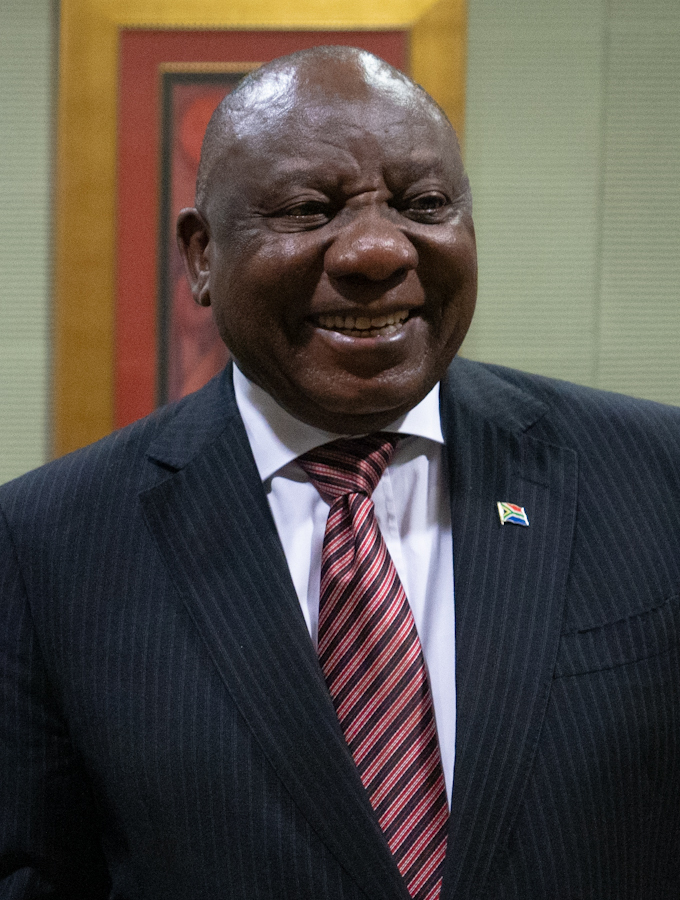
- Country:
- South Africa
President Cyril Ramaphosa has called on all South Africans to seize the opportunity to help shape the nation's future through the National Dialogue, describing it as one of the most significant undertakings in the history of South Africa's democracy.
In his weekly newsletter, the President said the first National Convention of the National Dialogue, held last week, laid the foundation for a broad, citizen-led process that will unfold over the coming months in every community across the country.
"We are about to embark on one of the most important undertakings in the history of our democracy. We all have a responsibility to make it work. Let the dialogue begin and let every voice be heard," Ramaphosa wrote.
Launch of Citizen-Led Discussions
The first National Convention, attended by over 1 000 delegates from across sectors of society, marked the official launch of thousands of public dialogues that will take place at community, ward, and sectoral levels through the end of this year and into 2026.
Citizens will also be encouraged to organise their own discussions on local concerns, with outcomes captured through a digital platform and additional channels for those without access to technology.
The process is designed to culminate in a second National Convention in 2026, where a national vision and a social compact are expected to be outlined. This compact will define the roles and responsibilities of government, business, labour, traditional leaders, religious organisations, and civic bodies.
Diversity, Inclusion, and Representation
The President stressed that the convention reflected the diversity and enthusiasm of the South African people. However, some delegates voiced concern that critical voices were missing, particularly from marginalised groups.
"There should be no person, no part of society and no institution – either public or private – that is excluded from the conversation. The dialogue should break down the barriers between 'insiders' and 'outsiders' and challenge notions of 'us' and 'them'," he said.
Delegates also noted that approaches must be adapted to local contexts, as strategies that work in urban centres may not be appropriate for rural areas, and formal sectors may require different methods from informal communities.
Steering Committee and Eminent Persons Group
A key outcome of the convention was the decision to form a Steering Committee, with nominees from all sectors of society. Each sector is expected to conclude its nomination process by the end of August 2025, ensuring that the Committee is inclusive and representative.
The Steering Committee will be supported by an Eminent Persons Group—respected South Africans tasked with championing the dialogue, guiding the process, and advising the President in his role as convenor. Their role will be to safeguard the credibility, inclusivity, and legitimacy of the dialogue.
Honest Conversations and National Unity
Ramaphosa underscored that unity should not be based on sentiment alone, but rather on honest and constructive engagement with the difficult questions South Africa faces.
"Disagreeing is part of engaging in a meaningful and robust dialogue. It is through the expression of different views that we will be able to give full legitimacy and credence to the dialogue. We should therefore make a determined effort to air our differences with a view to finding agreement on the actions we need to take together to build a better society."
The President said the National Dialogue must become a platform where all voices are heard, where differences are not suppressed but debated openly, and where common ground is forged to build a fair, inclusive, and prosperous South Africa.
Foundations for the Future
Preparations for the dialogue began months earlier, led by a coalition of civil society bodies, struggle foundations, and the Presidency. Their task was to organise the first convention and set the stage for a citizen-driven process.
Ramaphosa emphasised that the convention marked the point where ownership of the National Dialogue shifted to the people themselves.
With the second National Convention set for 2026, the process is expected to culminate in a new social compact that could redefine South Africa's democracy for the coming generation.


 Google News