

Fitch Affirms New Zealand’s AA+ Credit Rating, Warns Against Fiscal Slippage
Willis emphasised the importance of New Zealand’s reputation for financial prudence, noting that this credibility allows the country to borrow at relatively low interest rates on international markets.
- Country:
- New Zealand
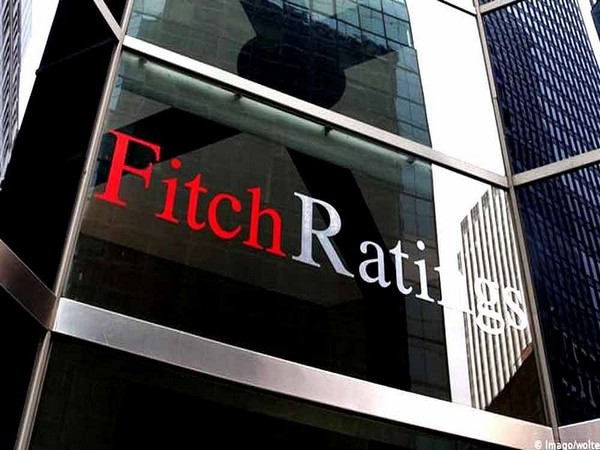
Finance Minister Nicola Willis has welcomed international rating agency Fitch Ratings' confirmation that New Zealand's careful fiscal management has preserved the country's strong AA+ credit rating with a stable outlook. The announcement comes at a time when New Zealand is still borrowing overseas to maintain essential public services, while simultaneously working to rebuild the economy and restore fiscal balance.
Strong Credit Rating Maintained
Willis emphasised the importance of New Zealand's reputation for financial prudence, noting that this credibility allows the country to borrow at relatively low interest rates on international markets.
"Historically, New Zealand governments have been able to borrow at reasonable rates because of their reputation for being responsible managers of public money, but that is not something that should be taken for granted," she said.
The AA+ rating signals that New Zealand remains one of the more reliable borrowers among advanced economies, giving international lenders confidence in the country's ability to meet its obligations.
Fitch Issues a Warning
While affirming the rating, Fitch delivered a pointed caution. The agency noted that New Zealand's credit strength is underpinned by the Government's commitment to fiscal consolidation and the expectation that debt-to-GDP will soon enter a downward trajectory.
However, Fitch warned that any weakening of fiscal responsibility would undermine New Zealand's creditworthiness:
"Evidence of a weakening in the culture of fiscal commitment to fiscal responsibility would affect creditworthiness," the agency stated.
Minister Willis said this amounted to a warning that significant new borrowing—such as policies proposed by Opposition parties—could risk a credit downgrade.
What a Downgrade Would Mean
A downgrade would not only raise the Government's borrowing costs but would also affect everyday New Zealanders. If investors perceive the country as riskier, interest rates on both government bonds and private lending would increase. That, in turn, would push up the cost of borrowing for households and businesses through higher mortgage rates, business loans, and credit costs.
"That is why this Government is committed to returning the books to surplus while continuing to invest in the public services New Zealanders need and shifting the economy onto a stronger growth path," Willis explained.
Balancing Growth and Responsibility
The Government's challenge lies in striking a balance between supporting public services and ensuring debt sustainability. Willis acknowledged that this requires "difficult choices" but argued that failing to make them would ultimately burden Kiwi households and businesses with higher costs.
"Our fiscal strategy is about rebuilding resilience. It is about ensuring that when New Zealand faces future economic shocks—whether from global downturns, pandemics, or natural disasters—we have the financial headroom to respond," she said.
International Comparisons
New Zealand's AA+ rating places it alongside countries such as Australia, but below the top AAA-rated economies like Singapore and Switzerland. Maintaining this rating is critical for global investor confidence, especially as New Zealand competes internationally for capital at a time of heightened global debt levels and tighter financial markets.
Looking Ahead
Fitch's decision provides reassurance for now, but its warning underscores the need for discipline. The Government's plan to bring the budget back to surplus, manage debt responsibly, and encourage economic growth will be central to preserving confidence in the years ahead.
Willis concluded: "Doing so requires some difficult choices, but the alternative is increasing costs for Kiwi households and businesses."


 Google News