

Morolong: Media and Creative Sector Key to Growth, Jobs and Transformation
Morolong stressed that the creative sector has immense potential for employment generation and entrepreneurship, but it requires sustained support from both government and private industry.
- Country:
- South Africa
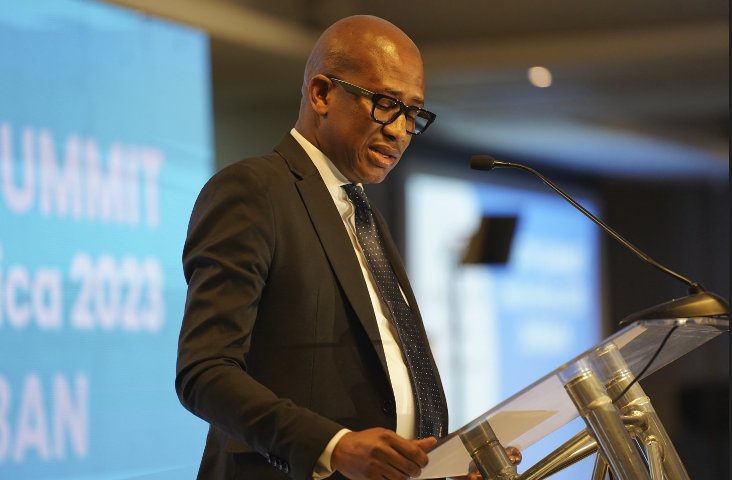
Deputy Minister in the Presidency Kenny Morolong has emphasised the importance of South Africa's media, advertising, and communication (MAC) sector, saying it not only connects citizens as compatriots but also links them with the African continent and the wider world.
Speaking at the inaugural Out-Of-Home (OOH) Media Owners' Session in Johannesburg, Morolong described the sector as a creative force that celebrates and magnifies the nation's diversity and identity, while also playing a vital role in addressing economic challenges.
"It is a sector that draws on the creative spirit of our nation, both to celebrate and magnify the best of who and what we are," he said.
OOH Media's Economic and Social Role
The OOH session brought together media owners from across the spectrum – from well-established industry leaders to emerging independent operators – to foster dialogue on the growth, transparency, and transformation of the OOH landscape.
Morolong said government regards the broader MAC sector and OOH media as critical drivers of:
-
Job creation
-
Poverty alleviation
-
Economic growth
He pledged that government would continue to work on developing investor-friendly policies, regulations, and municipal by-laws to support the sector's growth.
"Our expectations of this sector are therefore onerous," he added, urging both public and private stakeholders to nurture the industry as a driver of inclusive economic participation.
Government Support and Creative Economy Potential
Morolong stressed that the creative sector has immense potential for employment generation and entrepreneurship, but it requires sustained support from both government and private industry.
He said government looks to platforms such as the OOH Media Owners' Session to provide guidance on how best South Africa can learn from other countries' successes in redressing economic imbalances within the fast-changing digital and multi-platform media environment.
Challenges of Inequality and Accessibility
Reflecting on South Africa's broader socio-economic realities, Morolong acknowledged that despite significant progress since 1994, economic growth has not been equally shared.
He pointed to barriers faced by unemployed citizens, particularly in rural areas, who are forced to contend with:
-
High transport costs to access urban job markets.
-
Limited local amenities that raise the cost of job-seeking.
This, he noted, leaves the poorest and most disadvantaged segments of society struggling despite being competent and willing to participate in the economy.
Linking Media Sector Transformation to National Policy
Morolong also highlighted the role of the Government Communication and Information System (GCIS) in advancing transformation in print, digital media, advertising, and community media.
The GCIS is mandated by the B-BBEE Act of 2003 to drive transformation across seven key pillars of the B-BBEE Codes:
-
Ownership and control
-
Management control
-
Skills development
-
Enterprise and supplier development
-
Employment equity
The MAC Sector Charter Council, he said, must play an urgent and proactive role in promoting, monitoring, and reporting transformation progress to the GCIS, the Department of Trade, Industry and Competition (dtic), the B-BBEE Commission, and the President's Advisory Committee on B-BBEE.
Morolong concluded by affirming that the media and creative industries are not just economic enablers, but also social connectors that shape how South Africans see themselves and engage with the global community.
He underscored that the sector's future growth depends on a partnership model, where government, private industry, and community-based operators work together to ensure transformation, inclusivity, and long-term sustainability.


 Google News