

NZ Tightens Sanctions on Russia with Lower Oil Price Cap and Expanded Blacklist
Mr Peters emphasized that the price cap is a “calculated step to curtail crucial oil revenues fuelling Putin’s illegal war of aggression against Ukraine.”
- Country:
- New Zealand
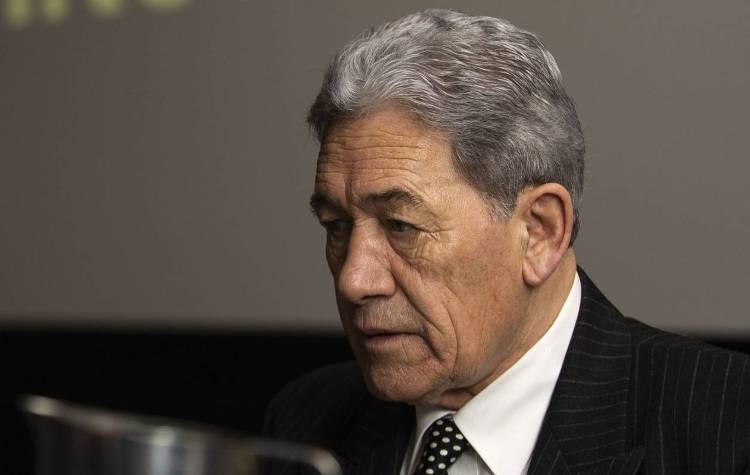
New Zealand has intensified its sanctions regime against Russia, lowering the price cap on Russian crude oil and expanding restrictions against individuals, entities, and vessels linked to Moscow's war in Ukraine. Foreign Minister Winston Peters announced that the price ceiling for Russian crude will drop from USD $60 per barrel to USD $47.60, a move aligned with measures taken by Canada, the European Union, and the United Kingdom.
Targeting Russia's Oil Revenues
Mr Peters emphasized that the price cap is a "calculated step to curtail crucial oil revenues fuelling Putin's illegal war of aggression against Ukraine." By reducing the cap, Wellington aims to further squeeze the financial flows that Moscow relies on to sustain its military operations. The initiative also bolsters international coordination with Western allies, ensuring that Russia faces consistent economic pressure across multiple markets.
Sanctions Against Cyber-Attackers and Shadow Networks
The latest measures also extend beyond oil revenues. New Zealand has sanctioned Russian state-linked actors involved in cyber-attacks against Ukraine, including Unit 29155 of the General Staff Main Intelligence Directorate, known for its malign operations across Europe. According to Mr Peters, "Russian state actors have been illegally using malware against Ukrainian government networks," undermining Kyiv's security infrastructure.
The 32nd sanctions round targets 19 individuals and entities as well as 19 shipping vessels. Among them are actors engaged in chemical weapons development, disinformation campaigns, and shadow fleet vessels designed to evade existing oil restrictions. Also blacklisted are alternative payment providers and facilitators operating through third countries such as North Korea and Iran, underscoring New Zealand's efforts to disrupt Russia's global sanction-busting networks.
Broader Sanctions Framework Since 2022
Since the Russia Sanctions Act was passed in March 2022, New Zealand has designated more than 1,900 individuals, organizations, and vessels. These measures are supported by travel bans, asset freezes, trade restrictions, and export controls, designed to cut Russia off from international financial and supply chains.
In parallel, Wellington has provided Ukraine with diplomatic, military, and economic assistance, reinforcing its stance against Russia's aggression. Officials stress that these steps demonstrate New Zealand's commitment to upholding international law and supporting Ukraine's sovereignty.
International Alignment and Future Outlook
The decision to reduce the oil price cap reflects not only a punitive measure but also a coordinated effort to strengthen the effectiveness of sanctions globally. Analysts note that sanctioning maritime vessels and third-party enablers addresses loopholes that Russia has exploited to maintain energy revenues.
While the sanctions are unlikely to end the conflict in the short term, they add to the mounting costs on Moscow's war effort. By joining allies in tightening restrictions, New Zealand signals that it remains committed to applying sustained pressure until Russia changes course.
For more details about sanctions, travel bans, and export controls against Russia—as well as New Zealand's assistance to Ukraine—information is available on the Ministry of Foreign Affairs and Trade website.


 Google News