

Centre Expands Opium Licensing Policy for 2025-26, Boosting Farmer Inclusion
Beyond domestic needs, the policy reflects the government’s ambition to expand India’s role in the global pharmaceutical supply chain.
- Country:
- India
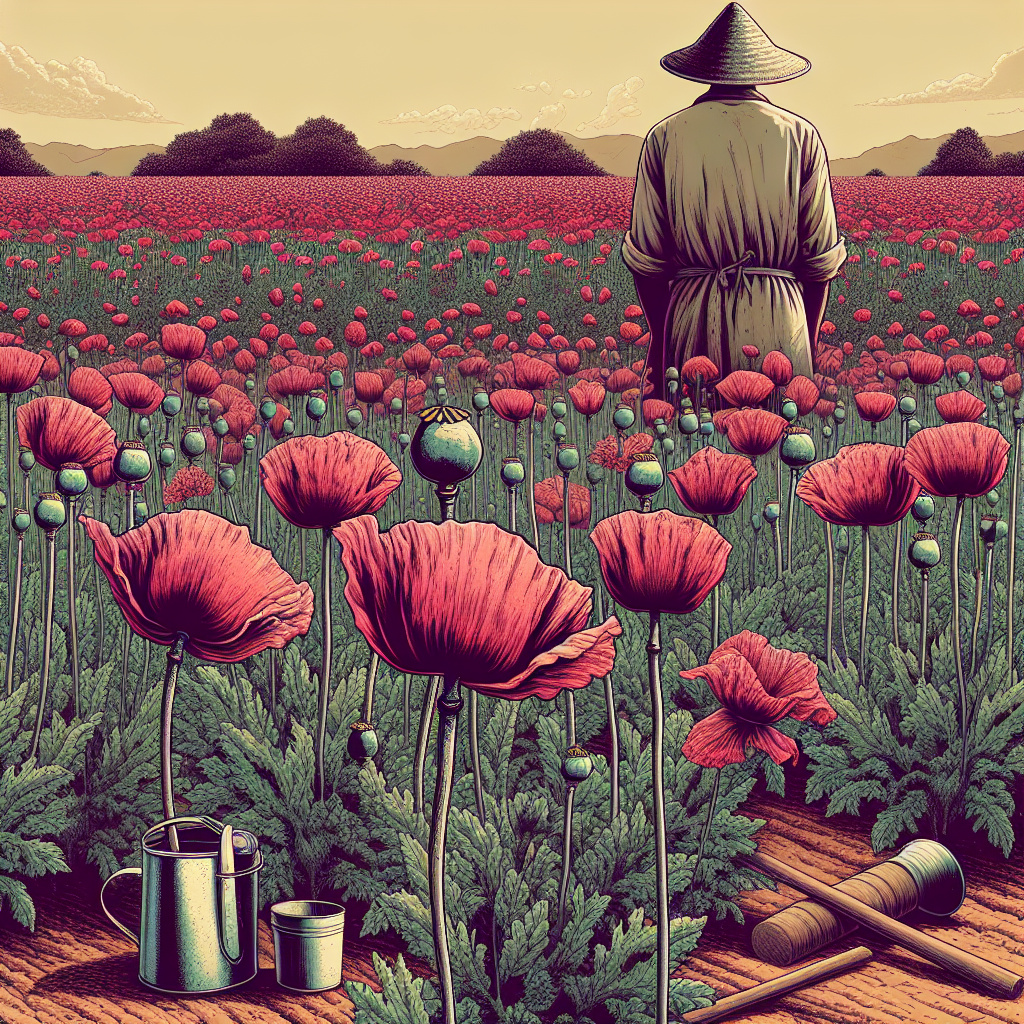
The Union Government today unveiled its Annual Licensing Policy for Opium Crop Year 2025-26, covering the period from 1st October 2025 to 30th September 2026, for licensed cultivation of opium poppy in the states of Madhya Pradesh, Rajasthan, and Uttar Pradesh.
This annual announcement holds particular significance as India is among the very few countries in the world permitted by international conventions to undertake opium cultivation for medicinal and scientific purposes. The move reflects the government's dual commitment to safeguarding the livelihoods of farmers and ensuring secure, self-reliant supplies of opium alkaloids for pharmaceutical industries and medical needs.
Expanded Farmer Participation
According to the policy, nearly 1.21 lakh farmers are estimated to be eligible for licenses during the 2025-26 crop year. This marks a 23.5% increase compared to the licenses actually issued in the previous year, thereby bringing approximately 15,000 additional farmers into the fold.
By widening participation, the government aims not only to secure adequate alkaloid supplies but also to provide marginal and small farmers with opportunities to benefit from regulated cultivation. Importantly, the digitization of cultivator records since 1995-96 has played a pivotal role in broadening access, enabling previously excluded farmers to re-enter the system under relaxed criteria.
Key Features of the 2025-26 Policy
The policy continues to strike a balance between farmer welfare, regulatory oversight, and medical needs. Its key provisions include:
-
Retention of existing opium gum cultivators achieving a Morphine Yield (MQY-M) of 4.2 kg/hectare or above.
-
Eligibility for CPS (Concentrate of Poppy Straw) method granted to cultivators with yields between 3.0 kg and 4.2 kg/hectare, offering them a five-year license validity for stability.
-
Incentives for high-performing farmers achieving 900 kg/hectare or more of unlanced poppy straw by allowing them to transition to traditional gum cultivation, which could enhance output and reduce risks of diversion.
-
Suspension of licenses for CPS cultivators who failed to meet the Minimum Qualifying Yield (MQY) of 800 kg/hectare during the 2024-25 crop cycle.
These measures are designed to reward productivity while also maintaining accountability and ensuring compliance with strict national and international controls.
Strengthening Processing and Alkaloid Supply
On the supply side, the government continues to strengthen its processing infrastructure. A major milestone this year was the achievement of WHO Good Manufacturing Practices (GMP) certification by the Government Alkaloid Factory in Neemuch, Madhya Pradesh. This recognition enhances the global credibility of India's opium processing capabilities and aligns with international pharmaceutical standards.
Additionally, the government is upgrading other Opium and Alkaloid Factories to increase capacity and efficiency. These steps are in line with the vision of Atmanirbharta (self-reliance), ensuring that India meets its domestic requirements for essential narcotic drugs while also supporting Indian pharmaceutical companies in producing alkaloid-based APIs and formulations.
Supporting the "Make for World" Vision
Beyond domestic needs, the policy reflects the government's ambition to expand India's role in the global pharmaceutical supply chain. By leveraging technical expertise, improved infrastructure, and brand credibility, India seeks to not only secure self-sufficiency but also establish itself as a reliable exporter of regulated alkaloid products. This aligns with the larger "Make for World" vision, where India positions itself as a trusted global supplier of quality pharmaceutical inputs.
Balancing Livelihoods and Regulation
The cultivation of opium poppy remains one of the most strictly regulated agricultural activities in India due to its sensitive nature and potential for misuse. Yet, through carefully crafted policies, the government has maintained a fine balance between international treaty obligations, medical needs, and farmer livelihoods.
The 2025-26 licensing framework is thus both progressive and pragmatic—it widens farmer participation, promotes productivity through incentives, punishes underperformance with accountability, and upgrades the supply chain through enhanced processing and certification.
As India strengthens its global leadership in opium alkaloid production for legitimate medical and pharmaceutical purposes, this year's policy will likely serve as a catalyst for inclusive farmer participation and innovation-driven growth, reinforcing the country's stature in the international controlled substances framework.


 Google News