

BMA Executive to Conduct First Monitoring Visit at Durban Harbour Operations
Recognising the port’s significance, the BMA has prioritised the harbour in its broader national strategy to integrate border management, curb illicit activities, and streamline legal trade.
- Country:
- South Africa
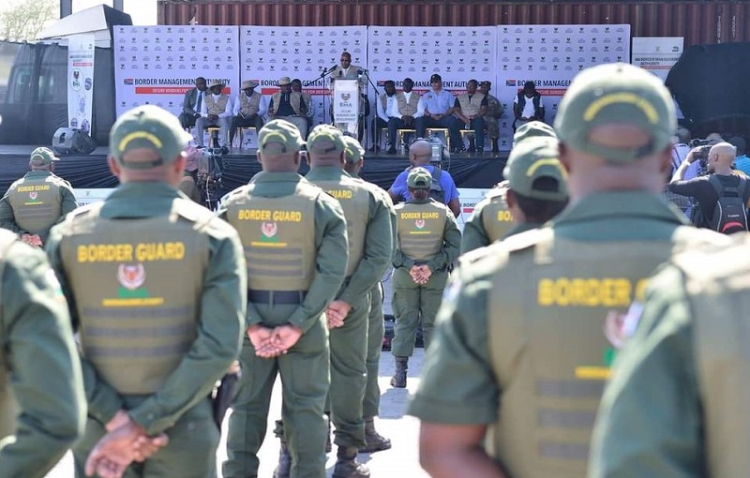
The Border Management Authority (BMA) will make history this week as Commissioner Dr Michael Masiapato leads the authority's full Executive Committee (EXCO) on its first official monitoring visit to Durban Harbour, Africa's busiest seaport and a critical gateway for South Africa's economy. The visit, scheduled for Wednesday, marks a pivotal step in the BMA's ongoing mission to strengthen the country's border management systems, ensuring both security and efficiency.
Durban Harbour: A Strategic Economic Artery
Durban Harbour, also known as Durban Port, is South Africa's largest and busiest seaport, handling nearly 60% of the nation's container traffic. Its importance to regional trade and global supply chains makes it a central focus of the BMA's oversight.
Recognising the port's significance, the BMA has prioritised the harbour in its broader national strategy to integrate border management, curb illicit activities, and streamline legal trade. According to the BMA, the visit is not a ceremonial stop but rather a diagnostic mission designed to identify operational bottlenecks, systemic inefficiencies, and vulnerabilities in compliance and security.
Comprehensive Monitoring and Engagement
The monitoring programme will involve several key activities:
-
Detailed inspections of major port facilities to assess infrastructure and security operations.
-
Direct engagement with BMA personnel stationed at the harbour, providing leadership with real-time feedback on day-to-day challenges.
-
Stakeholder consultations with the Port Management Committee (PMC) and other entities operating within the border management ecosystem.
The Port Management Committee is expected to provide an on-the-ground operational report covering the complexities and risks faced by port officials, from cargo verification and customs checks to combating smuggling and ensuring compliance with international trade protocols.
Strengthening Integrated Border Management
In a statement, the BMA stressed that Durban Harbour is a "vital artery for the South African economy and a primary focus for our mandate of integrated border management."
The EXCO visit represents more than a fact-finding mission—it underscores the BMA's evidence-based decision-making approach and its commitment to proactive engagement with realities on the ground.
"The visit will not merely be observational," the statement read. "It is a diagnostic mission by the BMA Executive leadership. The EXCO aims to identify systemic challenges and collaboratively develop practical, effective solutions to strengthen border management efforts."
Broader Implications for National Security and Trade
Border management at seaports such as Durban plays a crucial role not only in economic growth but also in national security. Weaknesses in harbour oversight can expose the country to risks such as:
-
Smuggling of contraband, narcotics, and counterfeit goods.
-
Human trafficking and irregular migration.
-
Revenue losses from under-declared or misclassified imports.
-
Disruptions in legitimate trade caused by inefficiency and corruption.
By reinforcing integrated systems at Durban Harbour, the BMA hopes to mitigate these risks while supporting South Africa's commitments to regional trade under the African Continental Free Trade Area (AfCFTA) and international maritime security standards.
Looking Ahead
The outcomes of this monitoring visit will inform the BMA's broader strategy for border reform across the country, including other ports of entry such as Cape Town Harbour, OR Tambo International Airport, and major land borders.
For Durban Harbour, the mission is expected to yield actionable steps to boost compliance, streamline cargo flow, and ensure that South Africa's busiest seaport continues to facilitate trade without compromising security.


 Google News