

Over 8,200 Submissions Shape Future of NCEA as Consultation Closes
The proposed reforms aim to lift education outcomes, improve teaching and assessment coherence, and ensure students are better prepared for life beyond school.
- Country:
- New Zealand
Public consultation has officially closed on the Government's proposal to replace the National Certificate of Educational Achievement (NCEA), marking a significant step in efforts to strengthen New Zealand's secondary school qualification system. The proposed reforms aim to lift education outcomes, improve teaching and assessment coherence, and ensure students are better prepared for life beyond school.
Strong Engagement Across New Zealand
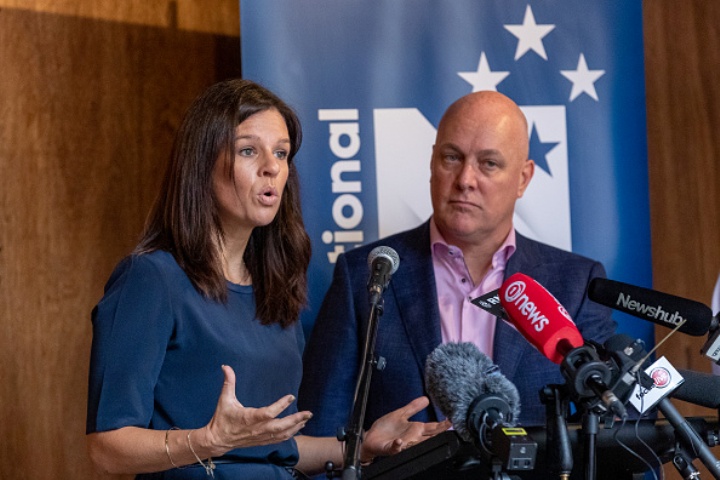
Education Minister Erica Stanford welcomed the high level of public participation, confirming that more than 8,200 submissions were received during the consultation period.
"I would like to thank everyone who has taken the time to provide feedback, and acknowledge the significant time and expertise contributed by the education sector throughout the process," Stanford said.
Feedback came from a broad cross-section of society, including teachers, school leaders, parents, whānau, iwi, community groups, and industry representatives. This widespread engagement, Stanford noted, underscores the importance of NCEA as the country's national qualification.
"Given this is our national secondary school qualification, it matters that we've heard from people from a wide range of backgrounds," she added.
Next Steps: Careful Consideration and Sector Engagement
With consultation now closed, the Ministry of Education will begin analysing responses to identify key themes and areas requiring further investigation. This analysis will inform the next stage of reform, including targeted engagement with the sector to refine proposals.
"My officials will analyse responses from submissions and understand which areas of the proposed changes need further investigation. They are planning for further sector engagement to test areas as needed and get the sector's further input into the design, before final decisions are made," Stanford explained.
Final decisions will focus not just on the structure of the qualification but also on its detailed design features, such as the balance between internal and external assessments.
Goals of the Proposed Reforms
The Government has been clear that the purpose of reform is not change for its own sake, but to respond to long-standing concerns raised by educators and employers. The reforms aim to:
-
Strengthen foundational skills, particularly in literacy and numeracy.
-
Improve coherence in teaching, learning, and assessment.
-
Ensure qualifications reflect what students actually know and can do.
-
Provide a credible, consistent qualification that is recognised by both employers and tertiary providers.
"These changes are about lifting education outcomes for New Zealanders," Stanford said. "It's about ensuring that every student, no matter where they live or which school they attend, has access to a qualification that prepares them with the best education and opportunity for life beyond school."
Why the Review Matters
Introduced in the early 2000s, NCEA has been the cornerstone of New Zealand's secondary school qualification system. While widely recognised, it has also faced criticism for complexity, inconsistency across schools, and over-reliance on internal assessment.
Employers and universities have also raised concerns that some students lack strong foundational skills despite achieving NCEA qualifications. The proposed reforms seek to address these challenges while preserving flexibility for diverse learners.
Looking Ahead
The Government has not yet set a final timeline for implementation but has signalled that final decisions will follow once sector testing is complete. Collaboration with schools, educators, and communities will remain central to shaping a qualification system that balances rigour, fairness, and accessibility.
For now, the extensive consultation responses will guide the next stage of development, ensuring that the reformed qualification reflects the voices of New Zealanders across all communities.


 Google News