

Govt Confirms $2.3B in Savings on Interislander Ferry and Port Upgrade Plan
The Inter-island Resilient Connection (iReX) programme, initially led by KiwiRail, had been plagued by spiralling costs and excessive consultancy-driven scope increases.
- Country:
- New Zealand
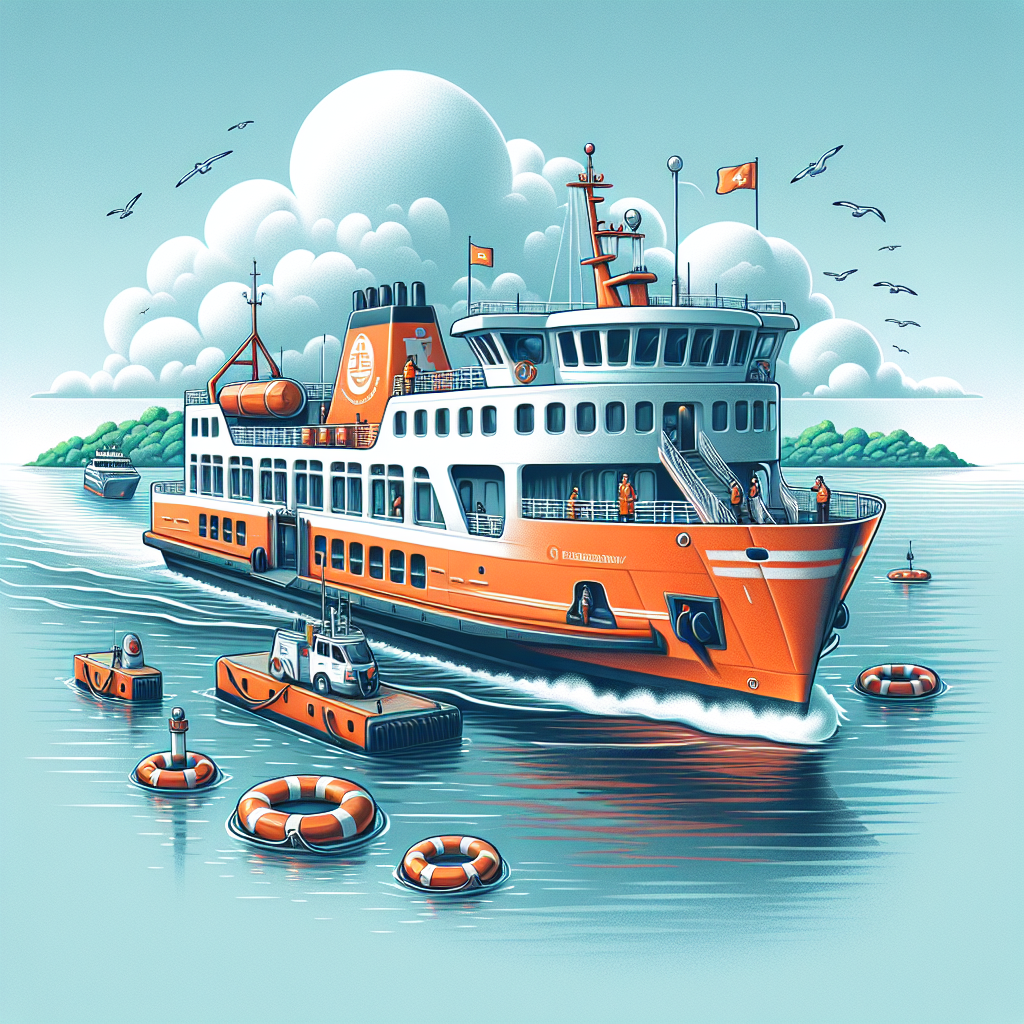
New Zealand's long-awaited Interislander fleet replacement and port infrastructure upgrade programme is moving forward under budget, saving taxpayers an estimated $2.3 billion, Rail Minister Winston Peters announced today. The streamlined project now includes two new Cook Strait ferries and upgraded port infrastructure in Picton and Wellington, all at a total cost of under $2 billion — far below earlier projections that threatened to balloon to $4 billion.
"Two new ferries serving road and rail will enter Cook Strait service in 2029, thanks to a $596 million fixed-price contract between Ferry Holdings and experienced shipbuilder Guangzhou Shipyard International," said Minister Peters.
The new vessels will replace the aging Interislander fleet and will be capable of carrying both road freight and rail wagons, marking a significant enhancement in New Zealand's inter-island transport resilience and efficiency.
From Blowouts to Budget Control: A Rebooted Strategy
The Inter-island Resilient Connection (iReX) programme, initially led by KiwiRail, had been plagued by spiralling costs and excessive consultancy-driven scope increases. Treasury had previously warned that the project could cost upwards of $4 billion, prompting a Government intervention to restructure the delivery model.
Under the new approach:
-
Ferry Holdings Ltd, a state-owned enterprise, is leading the procurement and infrastructure delivery.
-
A fixed-price build contract was secured with Guangzhou Shipyard International, a globally respected shipbuilder.
-
Consultant-heavy components and overly elaborate infrastructure proposals have been trimmed to achieve fiscal discipline without sacrificing core transport outcomes.
"Spending less than $1.7 billion means the taxpayer has saved $2.3 billion while still getting the ferries and infrastructure they want," Peters said. "We have done away with the expensive consultants who hijacked the project."
Funding Model: Self-Sustaining and Future-Focused
The revised funding plan ensures long-term financial sustainability. Rather than relying on ongoing taxpayer support, the infrastructure will be financed and recovered through port fees collected from Interislander revenue.
Interislander, which will operate the new vessels, is expected to:
-
Build financial reserves to fund future ferry replacements in 30 years
-
Operate like a commercially structured entity, with responsibilities for capital recovery and reinvestment
This approach mirrors best practices in public infrastructure governance, ensuring assets remain productive without perpetual public subsidies.
"Put simply, it's structured like a normal business," said Peters.
Partnership and Coordination Across Ports
Infrastructure development at CentrePort in Wellington and Port Marlborough in Picton will be carried out in collaboration with Ferry Holdings, which now has contractual control over the works. Both port companies have pledged to:
-
Support efficient infrastructure implementation
-
Minimise disruption to existing ferry services, including Bluebridge
-
Integrate the upgraded terminals into wider port operations
Peters acknowledged the role of "pragmatists" at KiwiRail, CentrePort, and Port Marlborough, alongside Ferry Holdings' board and leadership, in executing the revised, streamlined plan.
"They heard the clarion call for fiscal discipline to secure the Strait," he noted.
Diplomatic Dimension: Strengthening Ties with China
Next week, Peters will travel to Guangzhou, China, alongside the Ferry Holdings Chair and Ships Programme Director, to formally recognise the procurement agreement with Guangzhou Shipyard International. The visit serves a dual purpose — celebrating a major infrastructure milestone and reinforcing New Zealand–China economic relations.
"This is a significant agreement, not just between the shipyard and Ferry Holdings but also as a contribution to economic relations with China," Peters said.
This engagement adds to a series of high-level ministerial visits to China in 2025, reflecting the Government's focus on maintaining mature, mutually respectful bilateral relations.
Looking Ahead: New Ferries by 2029
The new ferries are expected to enter Cook Strait service by 2029, equipped to handle both freight and passenger volumes while reducing emissions and improving reliability. With a leaner delivery model and clear accountability, the Interislander upgrade is now firmly back on track.
The project sets a new benchmark for cost-effective public infrastructure, showcasing how disciplined planning, commercial models, and pragmatic leadership can deliver big results for both transport users and taxpayers.


 Google News