

E Cape Delivers New Water Schemes, Farm Support to Boost Rural Food Security
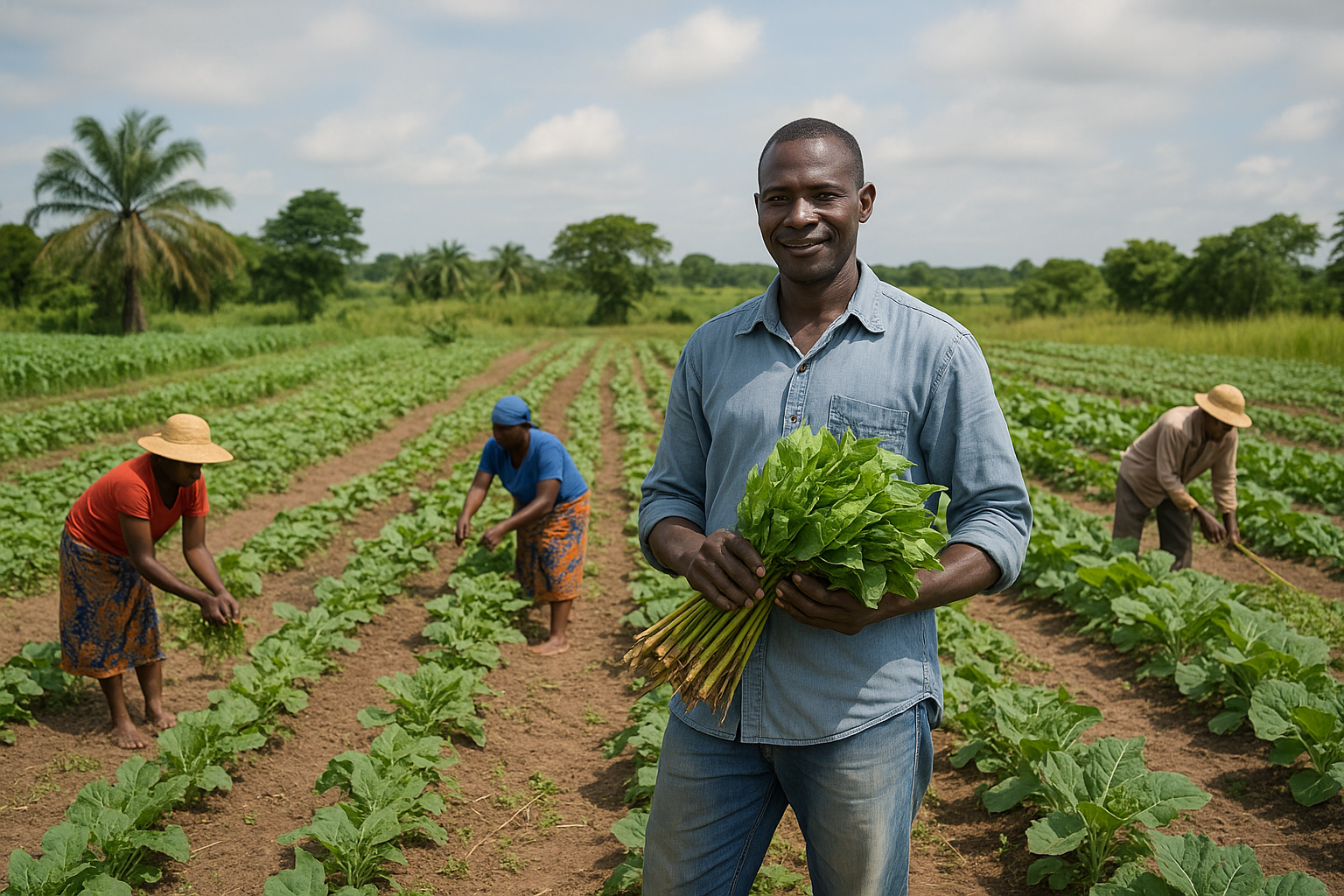
Local vegetable growers, many of whom have struggled for years with scarce irrigation water, gathered to celebrate the official handover led by Agriculture MEC Nonceba Kontsiwe.
- Country:
- South Africa
Rural communities in Nqanqarhu (Maclear) have received much-needed support through the Eastern Cape Department of Agriculture's latest delivery of water infrastructure, farming inputs and community-development equipment. The interventions are part of the Ilima/Letsema Lokulima Programme, a provincial initiative aimed at increasing food production, improving household food security and empowering smallholder farmers across the Eastern Cape.
Local vegetable growers, many of whom have struggled for years with scarce irrigation water, gathered to celebrate the official handover led by Agriculture MEC Nonceba Kontsiwe. The event highlighted government's commitment to improving rural livelihoods through sustainable agriculture, climate-resilient infrastructure, and economic inclusion.
New Spring-Water Infrastructure Bringing Relief to Villages
The MEC formally handed over the Sigoga and Saqhuthe village spring-water schemes, major infrastructure investments designed to provide safe domestic water and reliable irrigation for rural households.
Key Features of the Water Schemes
-
26 new water points constructed
-
Supplying water to 205 households across the two villages
-
Designed to channel clean mountain spring water directly into communities
-
Reduces dependence on unsafe, distant and overgrown water sources
The new water infrastructure is expected to significantly reduce time spent fetching water, improve household hygiene, and increase agricultural productivity—particularly for community gardens and small vegetable farms.
Strengthening Food Security Through Production Inputs
To deepen the impact of improved water access, MEC Kontsiwe distributed production inputs and gardening tools to 120 smallholder beneficiaries, including:
-
Vegetable seedlings
-
Fertilisers
-
Garden tools
-
Other starter packs to support year-round production
The support package aims to help rural households expand their garden plots, improve yields, and participate more effectively in local food systems. Officials emphasised that the programme encourages communities to produce enough surplus to enter small markets and develop cooperative farming models.
"The programme aims to bring people together to work their gardens, produce food and fight poverty with government support. The new spring water infrastructure ensures that people will no longer face the challenge of fetching irrigation water from distant locations," — MEC Nonceba Kontsiwe
Kontsiwe said the infrastructure and production support form part of a broader strategy to build rural resilience, promote community cohesion, and support climate-smart agriculture in regions affected by low rainfall and water shortages.
Voices from the Community: Relief, Safety and Empowerment
Residents expressed heartfelt appreciation for the intervention, describing how difficult and dangerous it had been to access water in the past.
A Long-Awaited Solution
Ntombizanele Sonkwenye of Sigoga Village shared that families previously fetched water from distant, overgrown and unsafe areas:
"The areas where we fetched water were overgrown and dangerous, especially for children. Today we are drinking clean, healthy water. We are truly overjoyed and grateful for this support."
She added that irrigation was previously impossible due to the physical strain of hauling water, but the new scheme will enable gardens to flourish and households to diversify their crops.
Youth Inclusion
Sonkwenye also noted that the community is encouraging young people struggling with substance abuse to join in gardening activities as a positive pathway toward empowerment and unity.
Tools for Growth
Another resident, Simthembile Folotyi from Upper Tsitsana Village, highlighted the value of receiving seedlings, fertilisers and tools:
"These inputs will help us fight poverty and enable us to produce diverse vegetables to fight hunger and improve our livelihoods."
Supporting Women-Led Enterprises: Sewing Machines for Local Development
As part of her community visit, MEC Kontsiwe also handed over 32 industrial sewing machines to 16 women-led cooperatives in Lower Tsitsana Village, with beneficiaries spanning three municipalities in the Joe Gqabi District.
This initiative is part of the Department's broader rural enterprise support strategy aimed at:
-
Expanding local manufacturing capacity
-
Improving the quality of garments produced by community sewing cooperatives
-
Creating income-generation opportunities for women
-
Strengthening local economic development beyond agriculture
"The goal is to enhance the quality of garments produced by our local women and ensure they can compete in local markets," the MEC said.
Advancing Rural Development Through Integrated Support
The combined water, agricultural and enterprise interventions mark a significant investment in holistic rural development. Through the Ilima/Letsema Lokulima Programme and related initiatives, the Department is working to:
-
Strengthen food security at household and community level
-
Build sustainable agricultural production systems
-
Improve access to clean water
-
Expand economic opportunities for women and youth
-
Foster community cohesion and self-reliance
These efforts contribute to the Eastern Cape's broader strategy to revitalise rural economies, support climate adaptation and empower communities to produce food sustainably.
The successful rollout of the spring-water schemes, production support and enterprise equipment highlights the Eastern Cape government's continued focus on inclusive rural upliftment. With improved water access and targeted agricultural inputs, communities in Nqanqarhu can now expand food production, strengthen household nutrition, and build more resilient local economies. The additional support for women-led enterprises further reinforces the province's commitment to creating diverse pathways out of poverty.


 Google News