

SARB Cuts Policy Rate to 6.75% as Inflation Outlook Improves and Rand Strengthens
The decision comes amid a gradually improving inflation outlook, a stronger rand, more favourable global conditions, and better-than-expected domestic economic activity in recent quarters.
- Country:
- South Africa
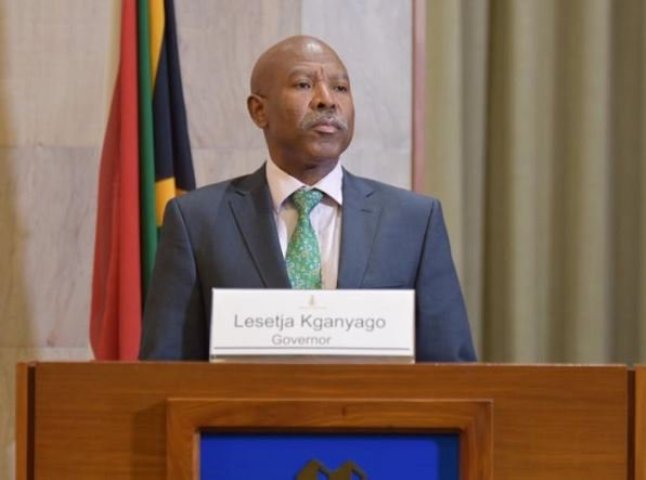
In its final monetary policy decision of 2025, the South African Reserve Bank (SARB) has reduced the policy rate by 25 basis points, bringing it down to 6.75%, effective 20 November 2025. The announcement was delivered by SARB Governor Lesetja Kganyago, who confirmed that the Monetary Policy Committee (MPC) voted unanimously for the rate cut.
The decision comes amid a gradually improving inflation outlook, a stronger rand, more favourable global conditions, and better-than-expected domestic economic activity in recent quarters.
Improved Inflation Outlook Opens Space for Rate Cuts
Governor Kganyago noted that while inflation had picked up slightly in recent months, reaching 3.6% in October, this trend was primarily driven by non-core inflationary pressures such as:
-
Meat
-
Vegetables
-
Fuel
However, he emphasized that these pressures are temporary, and inflation is projected to move lower in early 2026, with recent outcomes coming in "slightly below expectations."
Key drivers supporting lower inflation ahead include:
-
A stronger rand, improving import price dynamics
-
Lower oil price assumptions, reducing fuel inflation
-
Easing food inflation, despite a slight upward revision for beef prices
-
Improving inflation expectations, moving closer to the new 3% target
Governor Kganyago highlighted that core goods inflation is benefitting from the rand's strength, while services inflation remains stable, supported by lower medical aid increases—though housing inflation has accelerated and will require monitoring.
New 3% Inflation Target Frames Future Monetary Policy
This policy decision comes shortly after National Treasury unveiled South Africa's new inflation target of 3%, with a 1 percentage point tolerance band, replacing the previous 3%–6% target range.
This new framework, developed jointly by the Finance Minister and the SARB, reflects an ambition to anchor inflation at levels similar to peer emerging markets with strong monetary credibility. The Governor said the shift strengthens long-term price stability and provides clearer guidance for households and investors.
Domestic Growth Shows Encouraging Signs
The MPC noted that South Africa's economic activity is improving relative to 2024:
-
Q2 GDP outperformed expectations
-
Q3 indicators show broad positive momentum
-
Household consumption is rising
-
Business investment remains weak, though expected to recover as confidence improves
The MPC described risks to the growth outlook as balanced, supported by easing inflation, improved electricity supply stability, and early signs of a recovery in private-sector confidence.
MPC Considered Two Key Risk Scenarios
The committee evaluated two alternative scenarios that could impact inflation and policy dynamics:
1. US Dollar Rebound Scenario
This scenario recognizes that much of the rand's recent appreciation reflects broad dollar weakness, not just domestic strength.
If the US dollar rebounds, the rand could return to 2023 levels, placing renewed upward pressure on inflation and necessitating slower rate cuts.
2. Administered Price Shock Scenario
This scenario features:
-
Higher administered prices
-
Rapid correction of Eskom's R54 billion electricity pricing error
-
Inflation expectations remaining elevated for longer
Under this scenario, interest rates would fall more slowly—highlighting the importance of inflation expectations being anchored at the new 3% target.
Gradual Rate-Cutting Cycle Still Expected
Although the MPC initiated this rate cut, the Governor reiterated that monetary easing will be gradual and data-dependent:
"The Quarterly Projection Model continues to forecast gradual rate cuts as inflation subsides… Our decisions will continue to be taken meeting-by-meeting, with careful attention to the outlook and balance of risks."
This suggests that the SARB will maintain a cautious approach, ensuring inflation remains within the new target band even as it supports economic recovery.
Comparison to Previous Decisions
At the second-last meeting in September 2025, the SARB kept the repo rate unchanged at 10.5%. Today's cut marks a significant shift in policy stance, influenced by improved macroeconomic indicators and the transition to the new inflation target.
The SARB's decision to cut the policy rate to 6.75% signals growing confidence in South Africa's inflation trajectory, a strengthening currency, and stabilizing domestic conditions. The move also aligns with the country's newly adopted 3% inflation target, initiating a new era of lower inflation and more supportive monetary conditions.
As South Africa advances toward this new inflation framework, the balance between stimulating growth and maintaining price stability will remain at the core of monetary policy—guided by cautious optimism and anchored expectations.


 Google News