

Ōpōtiki’s New Harbour Opens, Driving Aquaculture Growth and Regional Jobs
The project, many years in the making, involved the construction of two substantial 350-metre harbour walls and extensive dredging of the harbour channel.
- Country:
- New Zealand
A major milestone in regional development has been reached with the completion of the new Ōpōtiki Harbour in the eastern Bay of Plenty—a transformative project set to accelerate aquaculture expansion, boost local employment, and stimulate long-term economic growth. Regional Development Minister Shane Jones says the harbour's completion marks the beginning of a new era of opportunity for the community and the broader marine industry.
The project, many years in the making, involved the construction of two substantial 350-metre harbour walls and extensive dredging of the harbour channel. The redesign provides safe, reliable access for mussel boats and other vessels, effectively removing long-standing marine barriers and opening the door for increased commercial activity.
A Historic Infrastructure Achievement
"This is the first major harbour built in New Zealand in decades," Minister Jones said. "The new walls and dredging have created safe access for mussel boats and other seacraft, as well as enabling greater capacity for future marine expansion in the area."
The new facility represents a significant upgrade to the district's coastal infrastructure, replacing what was once a hazardous and tide-dependent access point with a fully engineered harbour capable of supporting year-round industrial activity. The harbour is now operational following the completion of dredging in September.
Creating Jobs and Strengthening Local Industries
The construction phase alone created approximately 200 jobs, along with indirect employment across associated sectors such as quarrying, transport, and construction supply. Two new rock quarries were opened to support the build, and local cement operations expanded significantly to meet demand.
The harbour is already beginning to strengthen the local labour market, with increased opportunities for jobs in aquaculture, marine services, logistics, and processing. Minister Jones says the success of the project reflects a strong partnership between iwi, local councils, community leaders, and central government.
"We first started talking about the vision for the harbour in 2018 and we are now seeing it come to fruition," he said. "At that time, economic modelling by Ōpōtiki District Council conservatively predicted the harbour development would produce $132 million in economic benefits for New Zealand—and I look forward to this becoming a reality over time."
Anchoring the Future of Aquaculture
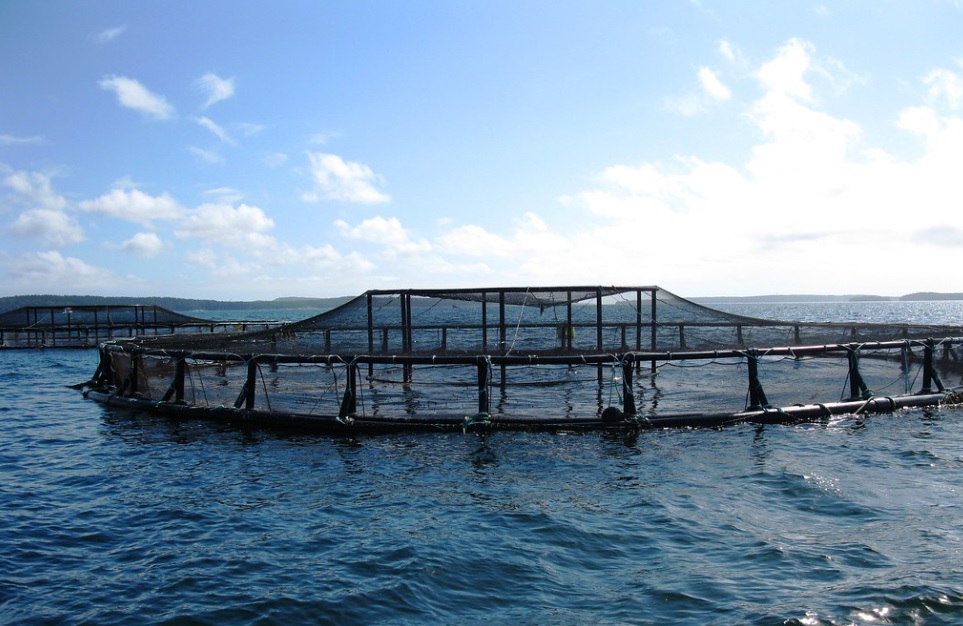
The harbour forms a key part of the region's broader aquaculture strategy. Government support included $95.2 million from the Regional Investment Opportunities Fund, $20 million from the Bay of Plenty Regional Council, and more than $52 million invested between 2019 and 2025 into Whakatōhea Mussels (Ōpōtiki) Ltd under the former Provincial Growth Fund.
The mussel industry has rapidly become one of Ōpōtiki's largest employers, now supporting more than 200 full-time local jobs. The upgraded harbour is expected to enable expansion of seafarm operations, increased processing capacity, and new export pathways.
"This is a significant Crown investment in Ōpōtiki and the local aquaculture industry," Jones said. "It contributes to the Coalition Government's goal to increase annual aquaculture sector sales from $750 million to $3 billion by 2035."
With its expanded processing capability and improved marine access, the region is positioning itself as a national aquaculture hub—supporting innovation, workforce development, and sustainable seafood production.
A Catalyst for Regional Prosperity
"This harbour is an example of the type of collaborative project that is going to lift regions in New Zealand back into prosperity," Jones added. "Its benefits will extend far beyond the marine industry, driving growth in tourism, retail, hospitality, and supporting services."
Local leaders expect the harbour to anchor a new era of economic resilience for Ōpōtiki, offering long-term opportunities for young people, iwi, and local businesses.
As the harbour becomes fully integrated into regional economic planning, its impact is expected to grow—solidifying Ōpōtiki's role as a key contributor to New Zealand's booming aquaculture sector.


 Google News