

UN Experts Warn Estonia Over Actions Targeting Orthodox Church, Cite Rights Risks
The EOCC is the country’s largest Christian denomination and plays a central role in both ethnic Estonian and Russian-speaking communities.
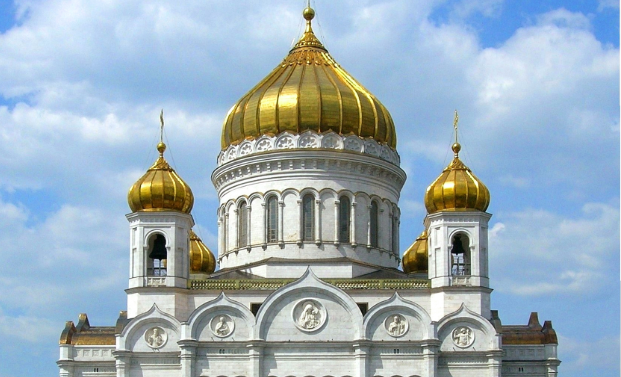
UN human rights experts have raised serious concerns about a series of legislative and administrative measures taken by Estonia that they say may unlawfully restrict the freedom of religion or belief and undermine the rights of the Estonian Orthodox Christian Church (EOCC). The EOCC is the country's largest Christian denomination and plays a central role in both ethnic Estonian and Russian-speaking communities.
In a joint statement, the experts said they were troubled by actions that appear to disproportionately target the EOCC, noting that canonical identity, ecclesiastical hierarchy, and spiritual allegiance are fundamental components of religious freedom and are fully protected under international human rights law.
Concerns Over Legislative Amendments and Court Rulings
The UN experts highlighted a combination of developments—including amendments to the Churches and Congregations Act, a May 2025 court ruling, and public statements questioning the EOCC's canonical affiliation with the Moscow Patriarchate. They warned that taken together, these moves risk stigmatising the church and creating social divisions.
They noted that while the legislative changes were drafted in general terms, they have been applied almost exclusively to the EOCC, particularly in relation to its historic ties with the Russian Orthodox Church. Even before the amendments were passed, some state bodies had begun treating the Church in a manner described by the experts as "adversarial" and inconsistent with the State's duty of neutrality in religious matters.
Restrictions on Funding, Residency and Procedural Safeguards
According to the experts, Estonia has taken steps that may interfere with the Church's autonomy and disrupt its religious practices. These include:
-
The withdrawal of public funding previously available to the EOCC
-
Excluding the Church from key government consultations
-
Restrictive residence-permit decisions affecting clergy
-
Reliance on undisclosed security assessments to justify state actions
They stressed that "national security is not a permissible ground for restricting freedom of religion or belief," citing Article 18 of the International Covenant on Civil and Political Rights (ICCPR) and Article 9 of the European Convention on Human Rights (ECHR). Any limitation, they said, must meet strict tests of necessity, proportionality, and non-discrimination.
In addition, the experts raised alarm over the termination of a long-standing church property lease in Tallinn, a sudden and unexplained rise in insurance premiums for the Pühtitsa Convent, and the expulsion or effective removal of senior clergy without adequate safeguards or due process.
"These actions disrupt normal religious life and may undermine the autonomy that freedom of religion is intended to protect," they stated.
Call for Suspension of Actions Pending Supreme Court Review
The experts welcomed President Alar Karis's decision not to sign the amendments into law and to send them to the Supreme Court for a constitutional review. They called on the Estonian Government to pause all administrative and judicial actions directed at the EOCC until the Court has ruled, and to initiate inclusive consultations with affected religious and minority communities.
"We stand ready to assist the authorities in ensuring that national security policies fully respect the non-derogable protections owed to all religious and minority communities," the experts said.
The UN confirmed that it is currently in contact with Estonian authorities regarding the situation.
ALSO READ
-
Century After Slavery Convention, Millions Still Wait for Freedom and Justice
-
Netherlands Pledges Over €309 Million to Strengthen Justice and Prevent Conflict
-
Nicaragua Used Disappearances to Crush Dissent as Eight Died in Custody, UN Reports
-
Russia’s Reach Beyond Borders Leaves Exiled Critics Living in Fear, UN Expert Warns
-
Ukraine Faces Another Bitter Winter as UN Inquiry Warns of Deepening Civilian Harm


 Google News