

UN warns Myanmar elections marred by violence, repression and forced voter coercion
Reports indicate that dozens of individuals have been detained under an “election protection law” for exercising basic freedoms, particularly freedom of expression.
- Country:
- Myanmar
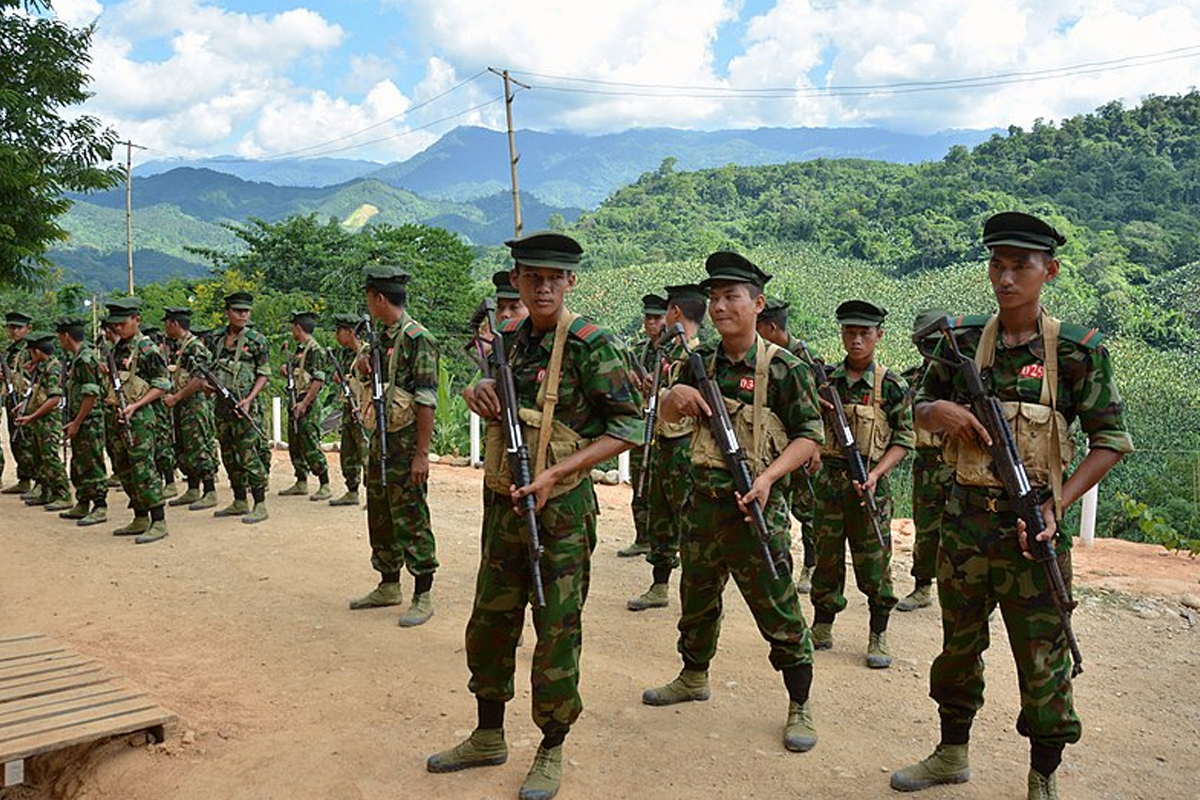
The United Nations Human Rights Office has raised alarm over escalating violence, intimidation, and repression across Myanmar in the lead-up to the military-controlled elections scheduled for 28 December. According to the Office, civilians are facing threats from both the ruling military authorities and armed groups opposed to the military, creating an environment entirely incompatible with free and fair elections.
Escalating Repression by Military Authorities
UN High Commissioner for Human Rights Volker Türk condemned the junta's tactics, stating:"The military authorities in Myanmar must stop using brutal violence to compel people to vote, and stop arresting people for expressing dissenting views."
Reports indicate that dozens of individuals have been detained under an "election protection law" for exercising basic freedoms, particularly freedom of expression. Sentences have been exceptionally harsh, reflecting the junta's determination to silence opposition ahead of the polls.
Among the most alarming cases, three youths from Hlaingthaya Township in Yangon Region received sentences of 42 to 49 years in prison after hanging anti-election posters. Several well-known public figures—including film director Mike Tee, actor Kyaw Win Htut, and comedian Ohn Daing—were each sentenced to seven years for allegedly "undermining public trust" after criticizing a pro-election propaganda film.
Coercion of Internally Displaced People
The Human Rights Office has also documented attempts by military authorities to force internally displaced persons (IDPs) to return home solely to cast ballots, despite the severe risks of doing so. Reports from Mandalay Region and other areas describe threats of violence, including aerial bombardment, if displaced people refuse to return.
One IDP told UN monitors:"They are saying to the internally displaced: 'You guys come back to the town to vote. If you do not come back, we will continue to bomb you.'"
Türk stressed that forcing displaced people into unsafe, involuntary return is a clear violation of international human rights law.
Threats from Armed Anti-Military Groups
Civilians are also being targeted by armed groups opposing the military regime, adding another layer of insecurity.
-
On 16 November, nine women teachers from Kyaikto were abducted while travelling to a ballot-related training session. They were later released but threatened not to participate in election activities.
-
On 18–19 November, the self-declared "Yangon Army" carried out bomb attacks on local administration offices in Hlegu and North Okkalapa, injuring election staff and pledging to continue targeting election organizers.
These incidents highlight how civilians are trapped between coercive military tactics and violent reprisals from anti-junta groups, leaving no space for free participation.
No Conditions for Free and Fair Elections
According to Türk, the overall environment is one of extreme repression, intimidation, and danger."These elections are clearly taking place in an environment of violence and repression. There are no conditions for the rights to freedom of expression, association or peaceful assembly that allow for meaningful participation," he said.
The human rights situation raises profound concerns about the legitimacy of the upcoming elections and underscores the urgent need for international monitoring, humanitarian support, and protection for vulnerable communities.


 Google News