

Ukraine’s Women Lead War Response as Funding Crisis Deepens
In 2025 alone, women’s rights and women-led organizations in Ukraine lost an estimated $27.4 million in foreign assistance. They expect to lose another $25 million in 2026.
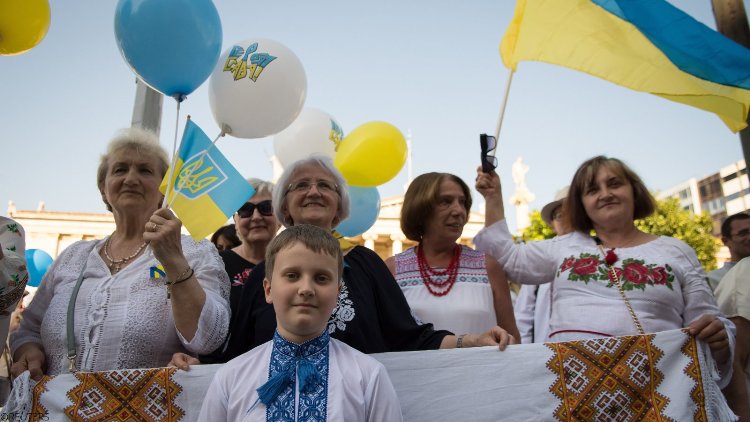
- Country:
- Ukraine
Four years after the full-scale invasion of Ukraine began on 24 February 2022, daily life remains defined by survival — economic insecurity, displacement, energy blackouts during brutal winters and constant security risks.
Yet another story runs parallel to hardship: the leadership, resilience and determination of Ukrainian women. From distributing humanitarian aid and running community kitchens to serving on the front lines, sustaining businesses and keeping essential services operational, women have anchored Ukraine's war response.
Today, however, women and women-led organizations face a new emergency — a severe funding crisis that threatens to dismantle the very systems sustaining women and families through the conflict.
$52 Million Funding Loss Over Two Years
International donor cuts have hit women's organizations hard.
In 2025 alone, women's rights and women-led organizations in Ukraine lost an estimated $27.4 million in foreign assistance. They expect to lose another $25 million in 2026.
A January 2026 survey by the Gender in Humanitarian Action Working Group (GiHA WG) — co-chaired by UN Women, NGO Girls and CARE Ukraine — reveals the scale of disruption:
-
79% of 108 surveyed women-led organizations reported significant operational disruptions in 2025
-
Half have scaled down or suspended at least one programme
-
One in three warn they may survive six months or less under current funding levels
As a result, an estimated 63,000 people risk losing essential services in 2026.
Who Pays the Price?
The consequences fall heaviest on those already most vulnerable:
-
Refugee and internally displaced women
-
Single mothers and female-headed households
-
Women and girls with disabilities
-
Older women
-
Survivors of gender-based violence
-
Women in rural and frontline communities
Nearly 45% of organizations report cuts to women's economic empowerment programmes — even as women account for 81% of registered unemployed people in Ukraine.
At the same time, 44% report reductions in gender-based violence services and prevention efforts.
With infrastructure attacks triggering prolonged power outages and heating disruptions, humanitarian needs continue to surge even as funding declines.
Five Ways Women Are Sustaining Ukraine — and Why Support Matters
Despite constraints, Ukrainian women remain at the centre of relief, recovery and resilience efforts.
1. Frontline Humanitarian Response
Since 2022, women-led organizations have delivered emergency shelter, psychosocial support, legal aid, hygiene assistance and cash transfers.
Through the Women's Peace and Humanitarian Fund (WPHF), more than 150,000 women and girls have accessed essential services. Over $26 million has been mobilized to support local women's groups.
In cities like Dnipro and Sumy, women-led initiatives continue distributing food, offering trauma support and responding to attacks — often reaching communities others cannot.
2. Coordinating Gender-Responsive Aid
The GiHA Working Group brings together more than 400 organizations, including over 100 women's rights groups, to ensure humanitarian action reflects women's realities.
More than 260 organizations, including survivor-led, Roma, LGBTIQ+ and disability-focused groups, have strengthened their capacity to deliver inclusive front-line relief.
3. Creating Economic Opportunities
War has expanded the number of female-headed households while increasing unpaid care burdens.
UN Women-supported programmes are helping women regain economic independence:
-
80,000+ women accessed mentorship and jobs through Women for the Future
-
10,000+ entrepreneurs expanded businesses via the Dream and Achieve Academy
-
Through She Drives, women entered non-traditional sectors like public transport — in Kyiv, 80% of graduates now work as municipal bus drivers
These initiatives challenge gender norms while strengthening household resilience.
4. Strengthening Women's Leadership
In 2024, Ukraine and Germany launched the Alliance on Gender-Responsive and Inclusive Recovery with UN Women. The Alliance now counts 100+ members, advocating for gender-responsive reconstruction.
She Leads Ukraine, launched in 2025, has trained 600 women in political leadership.
Women currently hold about 22% of parliamentary seats. Only four of 17 Cabinet members are women, and just two of 24 regional administrations are led by women — underscoring the need for greater representation.
5. Women in Mine Action and Recovery
Ukraine is now one of the most mine-contaminated countries globally, with around 139,000 km² potentially mined.
Although women represent 30% of humanitarian demining personnel, only 12% work in operational field roles.
Through the She Demines project, UN Women is training 300 women in technical demining — expanding capacity while breaking gender barriers in reconstruction.
A Call for Sustained Investment
From warming centres during blackouts to mine clearance and economic recovery, women are driving Ukraine's resilience.
But shrinking funding threatens to unravel progress at a critical juncture.
"The women of Ukraine must remain front and centre in all humanitarian action, peace and recovery efforts," UN Women officials stress. "They need sustained investment and support now."
As the war grinds on, women are not only surviving — they are rebuilding. Ensuring predictable, long-term financing for women-led organizations is not optional; it is essential to Ukraine's recovery, stability and future.


 Google News