

SA Faces ‘Systemic’ Water Crisis, Govt Calls for Science-Driven Solutions and Academic Leadership
Positioning the Water Imbizo as a platform for collaboration, Mahlobo called for universities and research institutions to lead innovation-driven solutions.
- Country:
- South Africa
South Africa's water crisis is no longer just about scarcity—it is a deep-rooted governance and infrastructure challenge, Water and Sanitation Deputy Minister David Mahlobo has said, calling for urgent, science-based and coordinated national action.
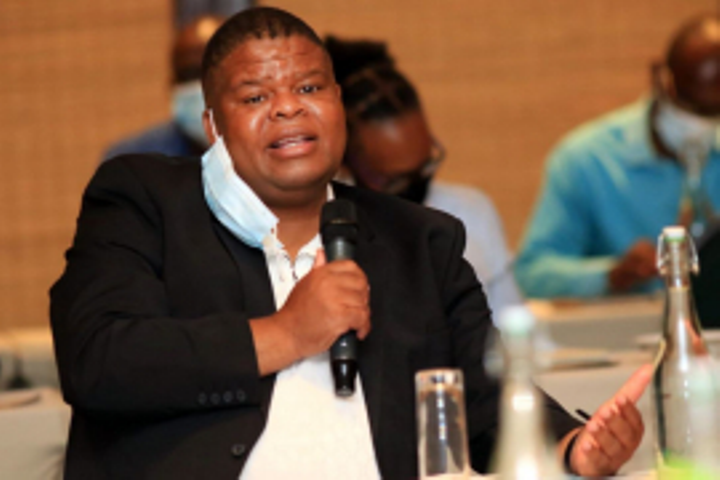
Speaking at a Water Imbizo hosted by the University of South Africa (UNISA), Mahlobo stressed that academic institutions must play a central role in designing and implementing solutions to the country's mounting water challenges.
Structural Failures Driving Water Shortages
Despite being a water-scarce country, Mahlobo noted that current shortages are largely man-made and systemic, driven by:
-
Ageing and deteriorating infrastructure
-
Weak governance and oversight
-
Declining municipal capacity
-
Pollution of water sources
-
High levels of non-revenue water (around 47%)
"This is not just a resource challenge. It is a governance, infrastructure and capability challenge," he said.
Water Security Linked to Economy and Public Health
The Deputy Minister underscored that water security is a constitutional obligation and a critical pillar of:
-
Public health
-
Food security
-
Industrial and economic growth
-
Human dignity
He warned that climate variability, rising demand, and inefficiencies could further strain already fragile systems if decisive action is not taken.
Academia at the Centre of National Response
Positioning the Water Imbizo as a platform for collaboration, Mahlobo called for universities and research institutions to lead innovation-driven solutions.
"We need solutions that are informed by data, guided by science, and capable of being implemented at scale," he said.
He emphasised that South Africa already possesses significant research and innovation capacity, but faces a critical gap in translating knowledge into implementation.
Bridging the 'Research-to-Delivery' Gap
A key concern highlighted was the disconnect between academic research and real-world outcomes.
Mahlobo urged stakeholders to:
-
Integrate scientific insights into municipal systems
-
Apply innovation in infrastructure operations
-
Strengthen day-to-day water management practices
"We must close the gap between knowledge and delivery," he said.
Whole-of-Society Approach Needed
The Deputy Minister made it clear that government alone cannot resolve the crisis, calling for a multi-stakeholder national effort involving:
-
Government departments
-
Academic and research institutions
-
Industry players
-
Local communities
This approach aims to create a coordinated and sustainable response framework.
Government Action and National Coordination
Reaffirming the government's commitment, Mahlobo highlighted ongoing interventions, including:
-
Increased infrastructure investment
-
Efforts to improve municipal performance and accountability
-
Strengthened oversight mechanisms
-
Coordination under the National Water Crisis Committee, chaired by President Cyril Ramaphosa
A Shared National Responsibility
Concluding his address, Mahlobo urged citizens to recognise water security as a collective responsibility, calling for greater public awareness and participation in conservation efforts.
As South Africa confronts one of its most pressing development challenges, the message from government is clear: scientific innovation, institutional reform, and collective action must converge to secure the nation's water future.


 Google News