

AI Revolutionizes Drug Discovery: CSIR Hosts Advanced Workshop to Equip Scientists with Cutting-Edge Tools
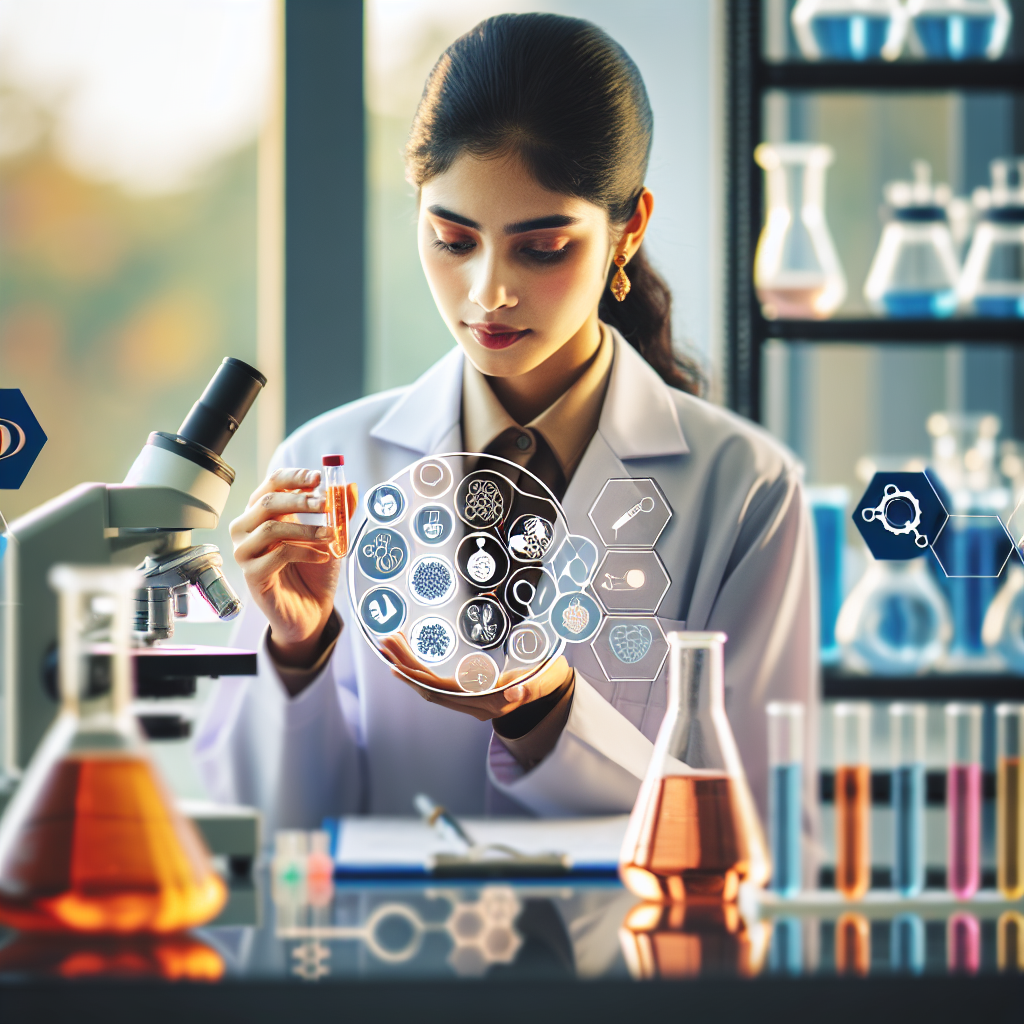
In his keynote address, Prof. Sastry emphasized that AI is dramatically accelerating drug discovery timelines, reducing costs, and enabling precision-driven research outcomes.
- Country:
- India
In a significant step towards strengthening India's capabilities in next-generation pharmaceutical research, the CSIR-Human Resource Development Centre (CSIR-HRDC), Ghaziabad, successfully conducted a three-day intensive workshop on "AI-Driven Drug Discovery: Advanced Tools, Techniques & Applications" from April 7 to 9, 2026.
The specialized programme, exclusively designed for CSIR Scientists and Technical Officers, aimed at equipping participants with advanced knowledge and hands-on exposure to Artificial Intelligence (AI) tools that are rapidly transforming the global drug discovery landscape.
Bridging AI and Pharmaceutical Innovation
The workshop was inaugurated in the presence of eminent experts including Prof. G. N. Sastry (IIT Hyderabad), Dr. T. S. Rana (Head, CSIR-HRDC), Dr. Vinay Kumar (Scientist G & Programme Convener) and Mrs. Preeti Chaudhary (Programme Coordinator).
In his keynote address, Prof. Sastry emphasized that AI is dramatically accelerating drug discovery timelines, reducing costs, and enabling precision-driven research outcomes. He highlighted that conventional drug development—typically taking 10–15 years and billions of dollars globally—can be significantly optimized using AI-powered computational models.
He also stressed the growing importance of interdisciplinary collaboration, integrating biology, chemistry, data science, and computational modelling to unlock innovative therapeutic solutions.
Dr. Vinay Kumar, presenting the programme overview, noted that the workshop was conceptualized to address the emerging need for AI literacy among scientific professionals, particularly in high-impact domains such as drug discovery, biomarker identification, and molecular simulation.
Expert-Led Sessions on Cutting-Edge Technologies
The workshop featured a series of high-impact lectures and interactive sessions delivered by leading experts from premier institutions and industry, including:
-
Prof. Prabha Garg (NIPER, SAS Nagar)
-
Prof. D. Sunder (Director, IBAB)
-
Dr. Arijit Roy (TCS, Hyderabad)
-
Dr. S. Nagamani (CSIR-NEIST)
These sessions provided deep insights into real-world applications of AI, ranging from predictive modelling to drug-target interaction analysis and data-driven decision-making in pharmaceutical R&D.
Focus on Advanced Computational Approaches
A key highlight of the programme was its focus on advanced technical modules, which received strong appreciation from participants. These included:
-
AI in Target and Biomarker Identification
-
AI-Assisted Molecular Docking and Scoring
-
AI in Biomolecular Simulation
Experts such as Dr. Rajnish Kumar (IIT BHU), Dr. Firoz Khan (CSIR-CIMAP) and Dr. Tarak Karmakar (IIT Delhi) delivered detailed sessions, combining theoretical depth with practical insights.
Participants were introduced to:
-
Machine learning algorithms for predicting protein-ligand interactions
-
Deep learning models for drug candidate screening
-
Simulation tools that reduce experimental dependency and improve accuracy
Such approaches are increasingly enabling faster identification of viable drug molecules, reducing failure rates in clinical trials and accelerating the journey from lab to market.
Strengthening India's Position in AI-Driven Pharma Research
India's pharmaceutical sector, valued at over $50 billion, is witnessing a paradigm shift with the integration of AI and digital technologies. Workshops like this play a crucial role in building human capital and technical expertise, essential for positioning India as a global leader in AI-driven drug innovation.
The programme also underscored CSIR's commitment to fostering capacity building, innovation and research excellence in emerging scientific domains.
Valedictory Session and Participant Recognition
The workshop concluded on April 9 with a valedictory session, during which participation certificates were distributed by Dr. T. S. Rana and Dr. Vinay Kumar, acknowledging the active involvement of attendees.
Delivering the vote of thanks, Mrs. Preeti Chaudhary expressed gratitude to all speakers, dignitaries and participants for their valuable contributions in making the programme a success.
Positive Feedback and Future Roadmap
The workshop received highly positive feedback, with participants appreciating the blend of theoretical knowledge and practical exposure. The insights gained are expected to significantly enhance their research capabilities and contribute to ongoing scientific projects.
Organizers noted that the feedback will serve as a framework for designing future advanced training programmes, ensuring continuous learning and adaptation in a rapidly evolving technological landscape.
A Platform for Innovation and Collaboration
By bringing together experts, researchers and practitioners, the programme created a vibrant platform for knowledge exchange, skill development and interdisciplinary collaboration.
As AI continues to redefine the boundaries of drug discovery, such initiatives are set to play a pivotal role in accelerating innovation, improving healthcare outcomes and strengthening India's global standing in pharmaceutical research.
ALSO READ
-
Vietnam Rethinks Ageing as Jobs, Skills and the Care Economy Become Economic Priorities
-
From Oil Shale to Wind Power: Estonia’s High-Stakes Plan for Cheaper, Secure Electricity
-
WHO Academy Expands Learning in 19 Languages to Reach Health Workers Everywhere
-
Five Companies, 30% of S&P 500: How Market Giants Pulled Further Ahead in a Decade
-
WHO and KEI Explore Community Rights in Traditional Medicine Research and Innovation


 Google News