

Waste-to-Energy: Bridging Gaps Between Waste Management and Energy Demand
 Devdiscourse News Desk
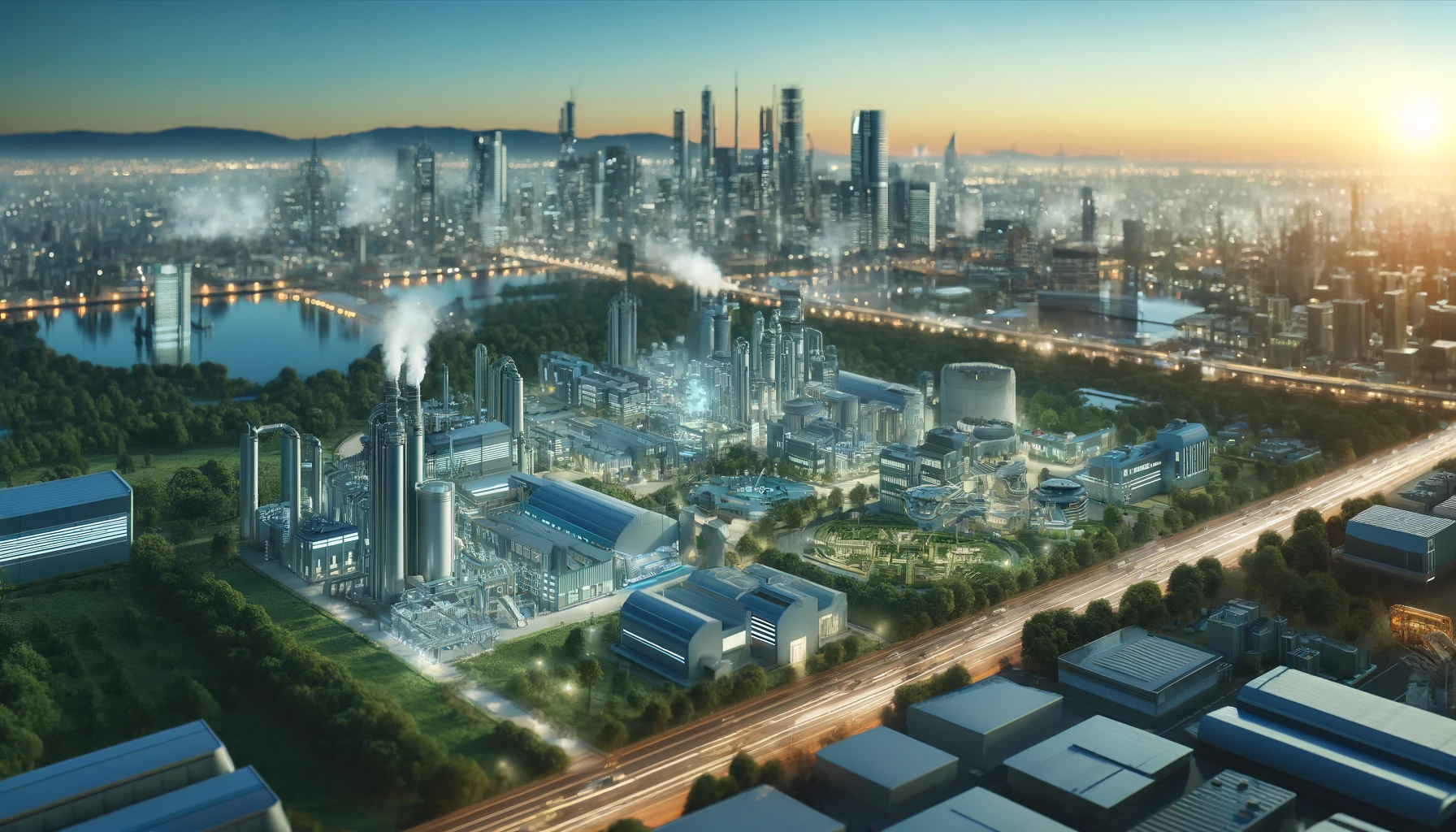
Alexander G. Wrehyou from the University of Wolverhampton has conducted an insightful study on the promising potential of Waste-to-Energy (WtE) technology. This study, overseen by Dr. Hamid Pouran and Module Tutor Dr. Emmanuel Daniel, focuses on the growing challenges of global urbanization, which leads to increased waste generation and higher energy demands.
Traditional fossil fuels are not only unsustainable but also harmful to the environment. WtE technology offers a dual solution by converting waste into energy, tackling both waste management and energy generation needs simultaneously.
Aligning Waste-to-Energy with Global Sustainability Goals
Wrehyou's research examines how Waste-to-Energy (WtE) technology aligns with Sustainable Development Goals (SDGs) 7, 11, and 13. SDG 7 promotes affordable and clean energy, SDG 11 aims for sustainable cities and communities, and SDG 13 emphasizes climate action by advocating for technologies that reduce carbon footprints. The study highlights how WtE technology can transform urban waste into a valuable energy source.
Historically, waste management methods like combustion, gasification, and pyrolysis have been around since the 18th century. The first incinerator was built in Nottingham in 1874, marking the start of systematic waste management. Over the years, WtE technology has evolved, driven by environmental regulations and technological advancements.
Data for this research was collected through both quantitative and qualitative methods, including surveys and case studies from city councils and Waste-to-Energy (WtE ) companies. The findings reveal that WtE technology is not only efficient in treating waste but also in producing energy. This efficiency, coupled with supportive government policies and SDGs, makes it a superior alternative to other renewable energy sources.
Achieving SDGs with Waste-to-Energy (WtE)
SDG 7 is crucial as it aims to ensure access to affordable, reliable, and modern energy by 2030. Data shows a significant increase in WtE plants in the UK from 2009 to 2022, reflecting the growing recognition of this technology's potential. WtE technology can meet the demands for clean and affordable energy by recovering energy from waste in plants equipped with advanced emission control systems.
SDG 11, focusing on sustainable cities and communities, is another critical aspect. Urban areas produce large amounts of waste, which, if not managed properly, can lead to serious environmental and health issues. WtE technology offers a sustainable alternative to landfills by converting waste into energy and reducing its volume, promoting sustainable urbanization.
SDG 13 addresses climate action. The research notes that WtE technology has advanced to include systems for monitoring and reducing greenhouse gas emissions. The UK's 25-Year Environment Plan, aiming to minimize waste and mitigate climate change impacts, supports integrating WtE technology into national strategies, highlighting its role in achieving climate resilience.
Evaluating Waste-to-Energy Methods
The research methodology uses Saunders' research onion model, This model is a comprehensive framework for developing research methodology, involving layers such as research philosophy, approaches to theory development, methodological choices, strategies, time horizons, and techniques and procedures. This comprehensive framework ensures a thorough analysis of WtE technology's impact, benefits, and future potential. The study examines various WtE methods, such as incineration, gasification, and pyrolysis, comparing them to other renewable energy sources like solar, wind, and hydroelectric power.
The findings indicate that while all renewable energy sources offer environmental benefits, WtE technology stands out because it addresses both waste management and energy generation. Unlike solar or wind energy, which require specific conditions and storage solutions, WtE technology leverages the continuous generation of waste in urban areas to produce energy. This dual benefit makes it a more comprehensive solution for sustainable development.
A Path to Cleaner Urban Environment
Wrehyou's study concludes that WtE technology is a viable and sustainable solution to the growing issues of urban waste and energy demand. The technology meets current needs and aligns with future environmental and sustainability goals, offering a pathway to a greener, more sustainable urban future. The research provides valuable insights for policymakers, industry stakeholders, and academia, advocating for increased investment and development in WtE technology.
By integrating WtE technology into urban waste management systems, cities can reduce their reliance on fossil fuels, minimize environmental pollution, and achieve significant progress toward sustainable development goals. Wrehyou's research underscores the critical role of WtE technology in addressing the dual challenges of waste management and energy generation, making it a cornerstone for future urban sustainability initiatives.


 Google News