

UN Confirms Famine in Gaza as Half a Million Face Starvation and Death
The famine is projected to spread to Deir al-Balah and Khan Younis in the coming weeks, marking the first time famine has been officially declared in the Middle East.
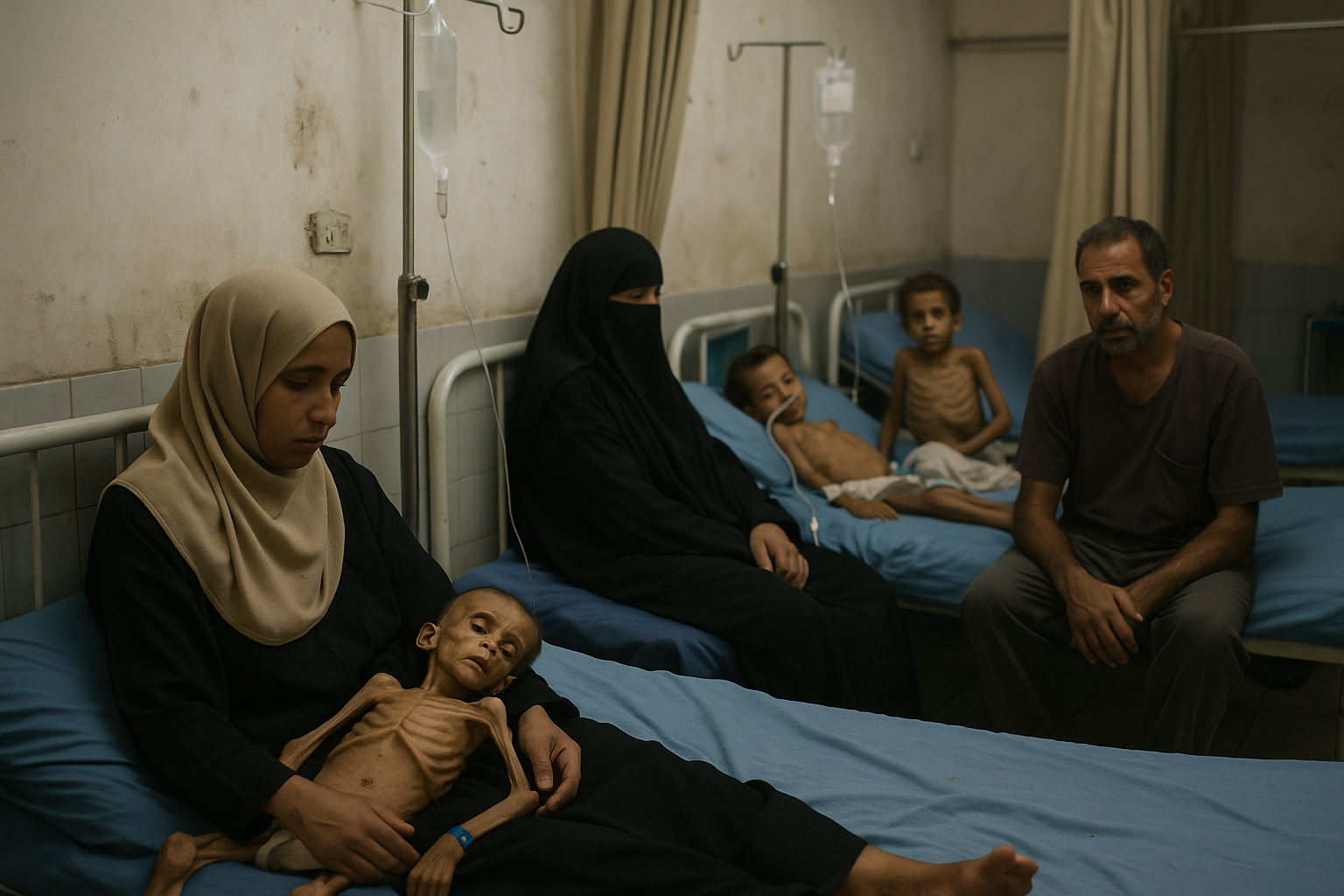
The humanitarian crisis in the Gaza Strip has reached a devastating milestone. A new Integrated Food Security Phase Classification (IPC) analysis confirms that famine conditions now exist in Gaza Governorate, trapping more than 500,000 people in catastrophic hunger, starvation and preventable deaths. The famine is projected to spread to Deir al-Balah and Khan Younis in the coming weeks, marking the first time famine has been officially declared in the Middle East.
The report, produced by the IPC and endorsed by the Food and Agriculture Organization (FAO), UNICEF, the World Food Programme (WFP) and the World Health Organization (WHO), paints a grim picture of food deprivation, child malnutrition and the collapse of basic services.
A Public Health Emergency of Unprecedented Scale
The IPC analysis found that by the end of September:
-
640,000 people will be at Catastrophic levels of food insecurity (IPC Phase 5).
-
1.14 million people will be in Emergency conditions (IPC Phase 4).
-
396,000 people will be in Crisis (IPC Phase 3).
This means nearly the entire population of Gaza is facing acute food insecurity. Conditions in North Gaza are believed to be equally severe, though limited access prevented formal classification. Rafah was not analyzed due to mass displacement.
The three criteria for famine classification—extreme food deprivation, acute malnutrition and starvation-related deaths—have all been breached. According to FAO Director-General QU Dongyu, the situation is dire:
"People in Gaza have exhausted every possible means of survival. Hunger and malnutrition are claiming lives every day. Access to food is not a privilege – it is a basic human right."
The Human Toll: Children and Families at Risk
The most shocking impact is on children. In July alone, 12,000 children were identified as acutely malnourished, the highest monthly figure ever recorded in Gaza—a six-fold increase since the start of 2025. Nearly one in four of these children suffer from severe acute malnutrition (SAM), which carries the highest risk of death.
-
By mid-2026, the number of children at risk of dying from malnutrition is projected to rise to 43,400, triple the estimate from just three months ago.
-
For pregnant and breastfeeding women, cases of severe malnutrition are expected to reach 55,000, also tripling since May.
-
One in five babies is already born premature or underweight.
"Famine is now a grim reality for children in Gaza Governorate, and a looming threat in Deir al-Balah and Khan Younis," said UNICEF Executive Director Catherine Russell. "Children with wasted bodies, too weak to cry or eat… there is no time to lose."
Destruction of Food Systems
Nearly 98 per cent of cropland in Gaza is damaged or inaccessible, and the agriculture sector—including livestock, fisheries and greenhouses—has collapsed. With nine in ten people displaced and cash critically scarce, access to markets is virtually impossible.
Food aid supplies have increased slightly since July, but remain vastly insufficient. UN trucks face looting amid widespread desperation, and prices for available food have skyrocketed. Fuel shortages mean families lack the ability to cook even when food is obtained.
Health System on the Brink
The famine is compounded by the collapse of Gaza's health system. Hospitals are overwhelmed, medicines are scarce, and exhausted health workers are struggling to respond. WHO Director-General Dr Tedros Adhanom Ghebreyesus warned:
"Widespread malnutrition means that even common illnesses like diarrhoea are becoming fatal, especially for children. Hospitals must be protected, and Gaza must urgently be supplied with food and medicines to save lives."
Water and sanitation services are severely degraded, driving outbreaks of diarrhoea, respiratory infections, skin diseases, and multi-drug resistant infections, especially among children.
Calls for Ceasefire and Full Humanitarian Access
The four UN agencies unanimously emphasized that only an immediate ceasefire and unimpeded humanitarian access can avert further catastrophe.
-
Cindy McCain, WFP Executive Director, called for "a surge of aid, safer conditions, and proven distribution systems to reach those most in need—wherever they are."
-
Dr Jeremy Farrar, WHO Assistant Director-General, described the crisis as "a monumental public health emergency."
-
FAO and UNICEF urged massive support for therapeutic feeding, food production, and essential health services.
"A ceasefire is an absolute and moral imperative now," stressed Dr Tedros. "The world has waited too long, watching tragic and unnecessary deaths mount from this man-made famine."
A Crisis of Global Significance
The IPC report warns that Gaza is now experiencing the sharpest deterioration in food security ever recorded since the IPC began operations. The crisis underscores the fragility of food systems in conflict zones and the devastating ripple effects of disrupted agriculture, markets, and aid flows.
For humanitarian agencies, Gaza represents both a call to urgent action and a grim reminder: when food, health and dignity are stripped away, famine becomes not just a natural disaster but a man-made failure of protection and access.


 Google News