

UN Rights Chief Urges Human Rights-Led Peacebuilding for Gaza and Israel
The Commissioner outlined a comprehensive rights-based roadmap for rebuilding and reconciliation, encompassing accountability, governance reform, civil society empowerment, and broad-based inclusion.
- Country:
- West Bank and Gaza
Introduction: Human Rights at the Heart of Peacebuilding
UN High Commissioner for Human Rights Volker Türk issued a powerful call for peace and accountability in the wake of signs that the devastating conflict in Gaza may finally be reaching a turning point. Addressing the international community, Türk emphasized that the current ceasefire must not be mistaken for peace — it must serve as the foundation for a rights-based recovery that leads to lasting stability for both Palestinians and Israelis.
"This moment of global relief must not be wasted," Türk stated. "We need all hands on deck to transform the ceasefire into an enduring peace and security arrangement grounded in justice, dignity, and human rights."
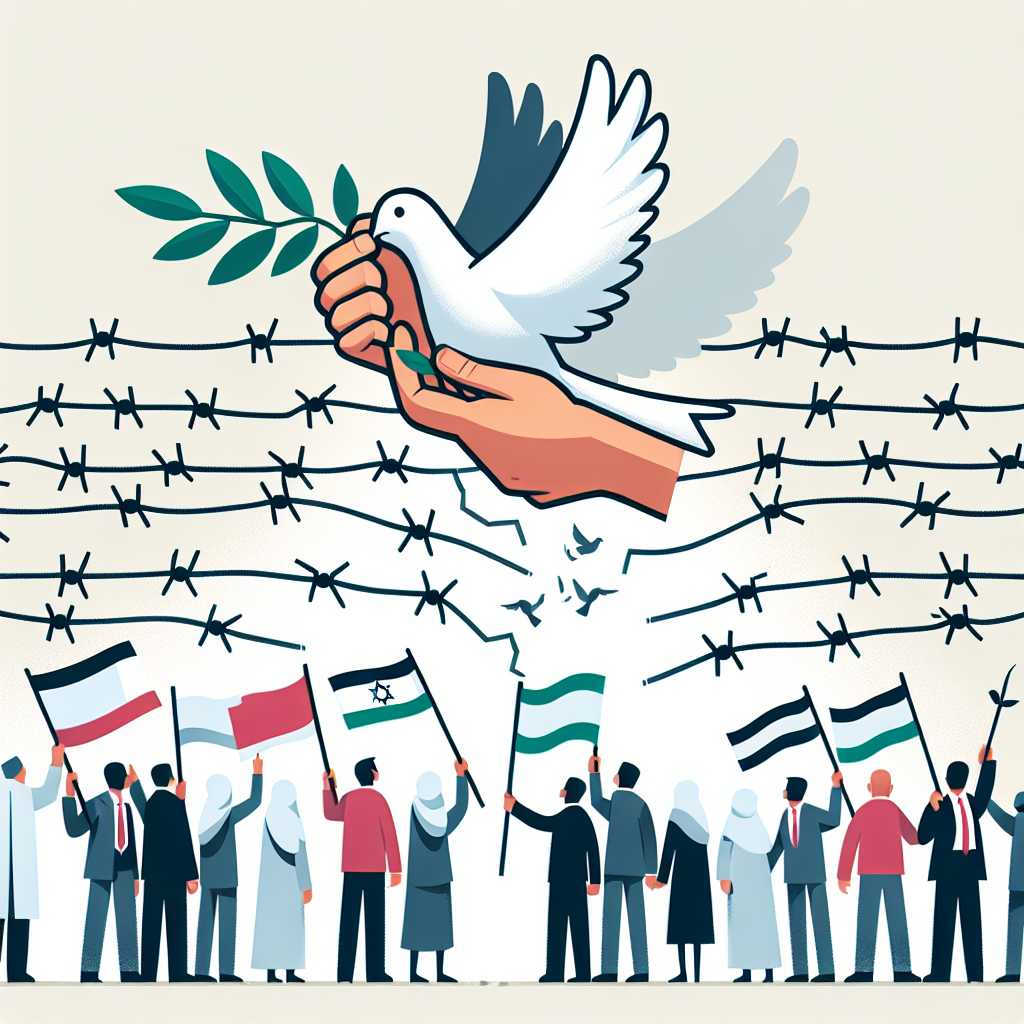
The Commissioner outlined a comprehensive rights-based roadmap for rebuilding and reconciliation, encompassing accountability, governance reform, civil society empowerment, and broad-based inclusion.
Accountability and Transitional Justice: Ending the Cycle of Impunity
Türk warned that without truth, justice, and accountability, no real reconciliation is possible. Over the past two years, both Gaza and Israel have suffered from widespread violations of human rights and international humanitarian law. The High Commissioner insisted that there must be a systematic effort to document, investigate, and prosecute these abuses through independent mechanisms free from intimidation and retaliation.
"Truth-telling and the acknowledgement of atrocities must be foundational," he said. "Only by confronting the past can Israelis and Palestinians heal and move forward."
Human rights monitoring and transparent reporting will play a central role in exposing impunity and supporting both national and international accountability processes. Türk also called for transitional justice initiatives that prioritize the voices and experiences of victims.
Security Through Rule of Law and Human Rights
Reframing the concept of security, the High Commissioner advocated for a broad understanding that encompasses physical safety, dignity, and rights for all people in the region. This includes justice reform and the creation of independent law enforcement institutions in Gaza that meet international human rights standards.
"The path to long-term peace must include a functioning legal system rooted in fairness, due process, and respect for human rights," Türk said.
Such systems would not only safeguard civilians but also help establish the legitimacy of governing bodies and deter future violations.
State-Building Grounded in Human Rights
Türk emphasized that governance reforms in Palestine must be guided by the full spectrum of human rights — civil, political, economic, social, and cultural. Democratic institutions must be built from the ground up to ensure transparency, inclusiveness, and accountability.
This means empowering local communities to take part in shaping their own future and ensuring that governmental structures remain responsive to the needs of their people.
"Good governance cannot exist without the participation of the people and without protection of their fundamental freedoms," he said.
Inclusivity and Legitimacy in Political Processes
A major component of rebuilding, according to Türk, is ensuring inclusive political processes that reflect the diversity of Palestinian society. Women, youth, people with disabilities, and religious and ethnic minorities must all have a seat at the table. This will be critical for ensuring the legitimacy of new political structures and avoiding exclusion-based instability.
For years, the UN Human Rights Office has worked with Palestinian civil society and the Palestinian Authority to promote responsive, rights-based governance. These efforts, the Commissioner noted, must now be expanded and supported by the international community.
Strengthening Civil Society and Protecting NGOs
Türk also sounded the alarm on the continued repression of civil society actors, particularly human rights organizations and activists, many of whom have faced sustained attacks and legal restrictions.
"An empowered civil society is the bedrock of any recovery process. We must protect and amplify these voices — especially those of women — to ensure real change," he said.
Support for civil society is essential for transparency, accountability, and inclusion, particularly during sensitive political transitions.
Access and Openness: A Global Responsibility
A vital element of the High Commissioner's call was the demand for full and unrestricted access to Gaza for humanitarian aid, journalists, human rights monitors, and international organizations. Access is not only a humanitarian imperative but also a safeguard against the recurrence of abuses.
"Opening Gaza up to the world can act as a protective presence and help ensure future violations are prevented," Türk stressed.
He also argued that any future international stabilization mission must have a dedicated human rights component to protect civilians, build institutional capacity, and monitor compliance with human rights standards.
Peace Education and Countering Hate Speech
Long-term peace, the UN rights chief emphasized, requires not only institutional reform but also cultural change. Discrimination, hate speech, and incitement to violence must be confronted through comprehensive human rights and peace education.
"Education is a powerful tool to prevent radicalization, promote civic participation, and build a culture of peace," he said.
This form of education must be inclusive, accessible to all communities, and supported at every level — from schools to the media to international forums.
Towards a Two-State Solution with Dignity and Rights
Türk reiterated the international legal foundations for peace, including the right of Palestinians to self-determination, which must be central to any lasting solution. He called for a credible, inclusive political process aimed at achieving a two-State solution, in line with UN Security Council and General Assembly resolutions, the New York Declaration, and advisory opinions of the International Court of Justice.
"Peace cannot come at the cost of justice," he said. "It must recognize the rights and dignity of all peoples, and be built on the principles of international law."
A Historic Opportunity to Do Right
As the guns fall silent in Gaza, the global community has a rare opportunity to help build a new reality for Palestinians and Israelis — one rooted in human rights, accountability, and peace. Türk's message is clear: the foundation of any sustainable recovery must be the respect and protection of human dignity.
"We stand at a critical juncture," he concluded. "Let us ensure that this moment becomes the turning point — not just toward the end of war, but toward the beginning of peace."
ALSO READ
-
Myanmar Market Airstrikes Kill at Least 50 as UN Urges Malaysia to Halt Deportations
-
Colombia’s Former Enemies Join Search for Disappeared as UN Praises Victim Justice
-
UN Lists 214 Companies Linked to Israeli Settlements, Urges Action on Human Rights
-
Ethiopia Fighting Hits Schools and Cuts Lifelines as UN Warns Against Return to War
-
Colombia’s Tougher Drug Crackdown Could Deepen Racism Against Afro-Colombians


 Google News