

WMO Launches Global Workshop to Advance Gender Equity in Weather Services
The WMO emphasizes that gender mainstreaming is no longer optional — it is a vital strategy to ensure that all people can access, understand, and act on hydrometeorological information.
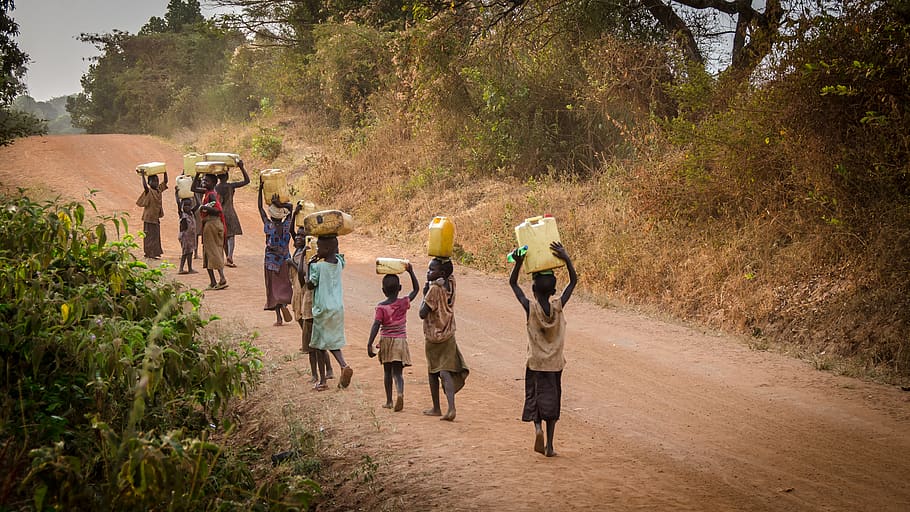
The World Meteorological Organization (WMO) convened a landmark virtual workshop on 18 November 2025 focused on integrating gender mainstreaming across hydrometeorological services — an initiative that has drawn an unprecedented level of international interest and participation. The workshop marks a pivotal moment in the global push to make weather, climate, water, marine, and environmental services more inclusive, effective, and equitable.
With over 430 registrants and more than 250 participants in each live session, the virtual workshop has created a vibrant, cross-sectoral platform for national meteorological agencies, development practitioners, researchers, and civil society actors to collaborate on gender-responsive solutions.
The workshop consists of two sessions: the first took place on 18 November, and the second is scheduled for 25 November 2025. It forms part of WMO's broader efforts to embed equity considerations into all facets of weather and climate services in alignment with the United Nations' Sustainable Development Goals (SDGs), particularly SDG 5 (Gender Equality) and SDG 13 (Climate Action).
Reimagining Hydrometeorological Services Through a Gender Lens
The WMO emphasizes that gender mainstreaming is no longer optional — it is a vital strategy to ensure that all people can access, understand, and act on hydrometeorological information. Women, men, and gender-diverse individuals often experience different levels of exposure and vulnerability to weather and climate risks, and tailored information delivery is essential to reducing inequality.
"To be truly effective, early warning systems, climate services, and disaster preparedness initiatives must recognize and respond to gendered realities," said a WMO spokesperson. "This means designing services with all users in mind."
The workshop spans a wide range of thematic sectors, including:
-
Health and disaster risk reduction
-
Agriculture and food security
-
Energy systems and infrastructure
-
Marine and aviation meteorology
-
Hydrology and water resource management
Each session features keynote presentations, interactive discussions, and operational case studies, offering real-world insights into how gender is being addressed in service delivery around the globe.
Case Studies Inform Practice and Policy
Ahead of the workshop, WMO issued a global call for case studies highlighting gender-responsive practices in weather and climate services. The response was strong — over 30 case studies were submitted by WMO Members and partners, showcasing innovative approaches from diverse regional and institutional contexts.
The WMO plans to compile these case studies into a dedicated publication to be launched in 2026, during the Fourth Session of the Commission for Weather, Climate, Hydrological, Marine and Related Environmental Services and Applications (SERCOM-4). This compendium will serve as a practical reference for meteorological services seeking to strengthen their own gender integration frameworks.
The publication aims to:
-
Showcase best practices and lessons learned
-
Provide replicable models and toolkits
-
Foster knowledge exchange across regions and sectors
-
Support the scaling up of gender equity in operational services
Strengthening Collaboration and Future Capacity
The workshop is grounded in WMO's commitment to building institutional capacity, raising awareness, and fostering inclusive leadership. Over the two-day event, participants are exploring:
-
Gender-sensitive climate information systems
-
Inclusive community engagement models
-
Equitable design of early warning systems
-
Barriers to women's participation and leadership in meteorological services
The discussions are also addressing challenges such as data disaggregation, institutional bias, and limited access to digital tools for marginalized groups — issues that, if unresolved, risk perpetuating existing inequalities in how climate and weather information is received and used.
Outcomes from the workshop will inform future guidance materials, training curricula, and capacity development initiatives spearheaded by the WMO and its partners.
A Call to Action: Inclusive Weather Services for a Changing Climate
As climate change continues to accelerate, the need for inclusive, timely, and accessible climate services has never been greater. From drought warnings to cyclone alerts, the design of these services must recognize gender-differentiated impacts and ensure that no group is left behind in adaptation and preparedness efforts.
"This workshop is not just about discussion; it's about transformation," one speaker noted. "We must build systems that deliver life-saving information to all — regardless of gender, geography, or socioeconomic status."
The WMO's initiative reflects a growing consensus within the global climate community that gender equity is central to resilience. The success of this workshop is expected to drive continued progress in making hydrometeorological services truly people-centered, and responsive to the diverse needs of communities around the world.
ALSO READ
-
Cabo Verde Backs Early Warning Roadmap After Gonzalo Floods Hit Coastal Communities
-
ITU and WMO urge spectrum protection to keep weather forecasts and warnings reliable
-
OceanEye Alliance Secures Pledges to Close Critical Gaps in Ocean Observations
-
El Niño Health Alarm: Rising Heat, Floods and Hunger Put Communities on High Alert
-
Climate Data Gaps Leave Communities Searching for Clear Answers to Growing Local Risks


 Google News