

IATA: Europe’s Air Traffic Control Delays Have More Than Doubled Since 2015
IATA’s data shows that the bulk of ATFM delays stem from capacity constraints and insufficient staffing—issues that aviation experts have warned about for years but that remain inadequately addressed.
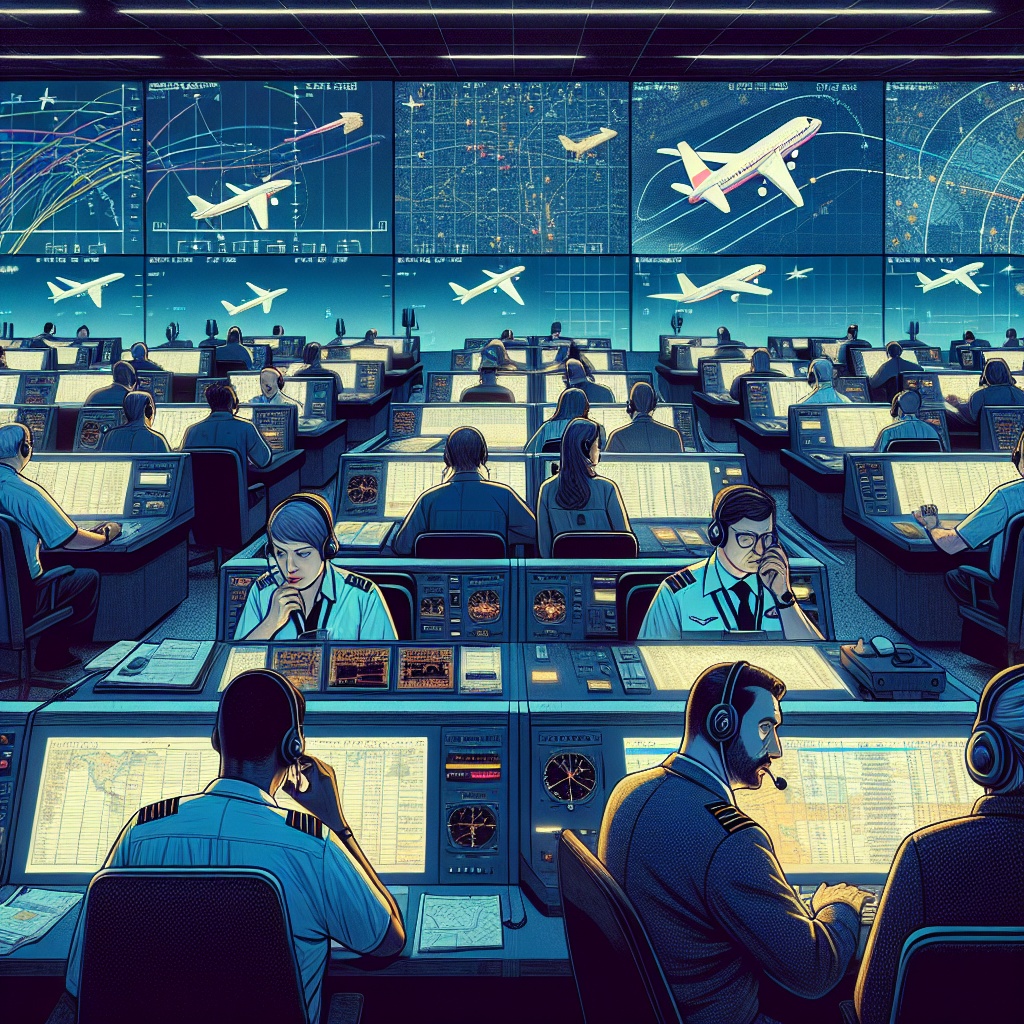
The International Air Transport Association (IATA) has released a new analysis showing a dramatic and persistent deterioration in Air Traffic Control (ATC) performance across Europe. According to the report, Air Traffic Flow Management (ATFM) delays have surged by 114% between 2015 and 2024, despite flight numbers increasing by just 6.7% during the same period.
The findings highlight a long-standing structural problem that has escalated into a major operational challenge for airlines and an ongoing source of frustration for passengers. The analysis excludes delays caused by weather, and does not count flight cancellations due to ATC strikes, suggesting the actual scale of disruption is even higher.
Delays Driven Largely by Capacity Limits and Staffing Shortages
IATA's data shows that the bulk of ATFM delays stem from capacity constraints and insufficient staffing—issues that aviation experts have warned about for years but that remain inadequately addressed.
Two major Air Navigation Service Providers (ANSPs) are at the centre of the crisis:
-
France
-
Germany
Together, their ATC systems account for over 50% of all delays, putting significant pressure on airlines operating across Europe's interconnected airspace.
Willie Walsh, IATA's Director General, criticised Europe's failure to resolve chronic ATC inefficiencies:
"Airlines and travelers were promised a Single European Sky that would cut delays and reduce fuel burn. Instead, delays have more than doubled. While policymakers debate expanding EU261 compensation rules, the root cause—ATC inefficiency—escapes action. This is completely unacceptable."
Key Findings From the Report
-
7.2 million flights experienced ATFM delays from 2015 to October 2025.
-
6.4 million were delayed by up to 30 minutes.
-
700,000 were delayed by more than 30 minutes.
-
-
In 2024 alone, delays reached 30.4 million minutes, more than double the 14.2 million minutes recorded in 2015.
-
38% of all delays occurred during July and August, highlighting severe seasonal bottlenecks.
-
-
Staffing and capacity issues accounted for 87% of all ATC delays in 2024.
-
Staffing-related delays (excluding strikes) have surged 201.7% since 2015.
-
-
Industrial action is increasingly common, now responsible for 8.8% of ANSP-caused delays.
-
Over the past decade, 9.8 million minutes of delays were triggered by ATC strikes—even during years when air traffic plummeted due to COVID-19.
-
These figures underscore how deeply entrenched ATC inefficiencies have become across the continent, eroding airline reliability and threatening broader economic competitiveness.
Impact on Passengers, Airlines, and Europe's Competitiveness
Rising ATC delays have cascading consequences:
-
Passengers face longer travel times, more missed connections, and widespread schedule disruptions.
-
Airlines incur increased operating costs, higher fuel burn, and reduced schedule flexibility.
-
Europe's competitiveness suffers, as carriers are forced to pad timetables to accommodate predictable ATC delays.
The report also notes that even though 2025 is expected to show slight improvement from a particularly bad 2024, this does not reverse the decade-long trend of worsening ATC performance.
IATA will publish an updated version of the report once full-year 2025 data becomes available.


 Google News