

IFAD, GEF Back $44.5m Climate-Resilience Projects in Malawi, Eritrea, Kiribati
The investment package was approved during the GEF’s 70th Council Meeting and includes more than US$44.5 million in GEF financing, complemented by over US$80 million in co-financing.
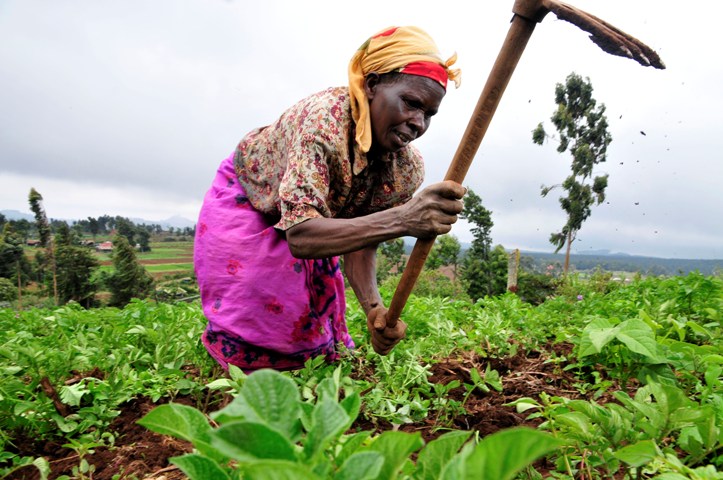
The International Fund for Agricultural Development (IFAD), working in partnership with the Global Environment Facility (GEF) and the governments of Malawi, Eritrea and Kiribati, has announced three major new investments aimed at strengthening climate resilience in some of the world's most climate-vulnerable regions. These initiatives are designed to help rural communities restore degraded ecosystems, enhance their ability to adapt to climate shocks, protect biodiversity, and secure sustainable livelihoods.
The investment package was approved during the GEF's 70th Council Meeting and includes more than US$44.5 million in GEF financing, complemented by over US$80 million in co-financing. IFAD is contributing approximately US$48.5 million of this total. Together, these resources will support innovative, community-driven and ecosystem-based approaches that place rural people at the centre of climate action.
The projects will be implemented in close collaboration with national governments and local institutions in Malawi, Eritrea and Kiribati—countries that are already experiencing severe impacts from climate change, including droughts, floods, coastal erosion, land degradation and declining biodiversity. By integrating climate adaptation with sustainable economic activities, the initiatives aim to deliver long-term environmental and social benefits.
According to Juan Carlos Mendoza Casadiegos, Director of IFAD's Environment, Climate, Gender and Social Inclusion Division, the investments reflect IFAD's broader vision of inclusive and climate-resilient development. He noted that empowering small farmers, coastal communities and island populations is essential to building "blue-green" economies that restore ecosystems while creating new livelihood opportunities. Such investments, he emphasised, can simultaneously safeguard biodiversity, strengthen resilience to climate change and foster inclusive growth.
Country-specific investments
In Eritrea, the Community-Based Marine and Coastal Ecosystem Restoration Project focuses on integrating climate-smart, nutrition-sensitive and fisheries-based livelihoods into the country's national adaptation efforts. The project aims to restore and conserve vital coastal and marine habitats, increase climate resilience by 20 per cent and rehabilitate around 3,500 hectares of degraded mangrove ecosystems. A key feature of the initiative is its community-led model, which empowers local populations to take stewardship of their natural resources. Approximately 21,320 households are expected to benefit, with a total investment of about US$32 million.
In Kiribati, the Enhancing & Sustaining Kiribati's Resilient Future Project targets vulnerable atoll communities that are on the frontline of sea-level rise and climate extremes. Spanning eight years, the project promotes a systems-based "blue-green" development model that recognises the interconnection between land and water. It links climate-adaptive land-use planning with ecosystem restoration, biodiversity conservation, water security, climate-smart agriculture and sustainable energy solutions. The initiative will also strengthen national institutions and data systems, promote low-carbon and nature-based solutions, and support inclusive, climate-resilient livelihoods. The total investment for the project is close to US$51 million.
In Malawi, the Resilient Integrated Livestock and Aquaculture Project (RILAP) adopts an integrated production and value-chain approach by combining livestock development, aquaculture and fisheries in the country's lakes with sustainable land management practices. The project aims to restore more than 50,000 hectares of degraded land, improve biodiversity management across 59,000 hectares and bring an additional 59,000 hectares under sustainable land management within productive systems. Beyond environmental gains, RILAP is expected to mitigate around 100,000 tonnes of carbon dioxide emissions and directly benefit approximately 30,000 people. The total investment for the project is around US$32 million.
Together, these three investments underscore a growing commitment by IFAD, GEF and partner governments to align climate action with rural development. By focusing on locally driven solutions, ecosystem restoration and integrated livelihoods, the initiatives aim to ensure that communities most affected by climate change are also at the forefront of building a more resilient and sustainable future.


 Google News