

R20m Emergency Water Tech Intervention Launched to Stabilise Knysna Supply
Knysna’s primary storage facility, Akkerkloof Dam, is currently at around 16% capacity, equating to approximately 13 days of water supply at current consumption levels.
- Country:
- South Africa
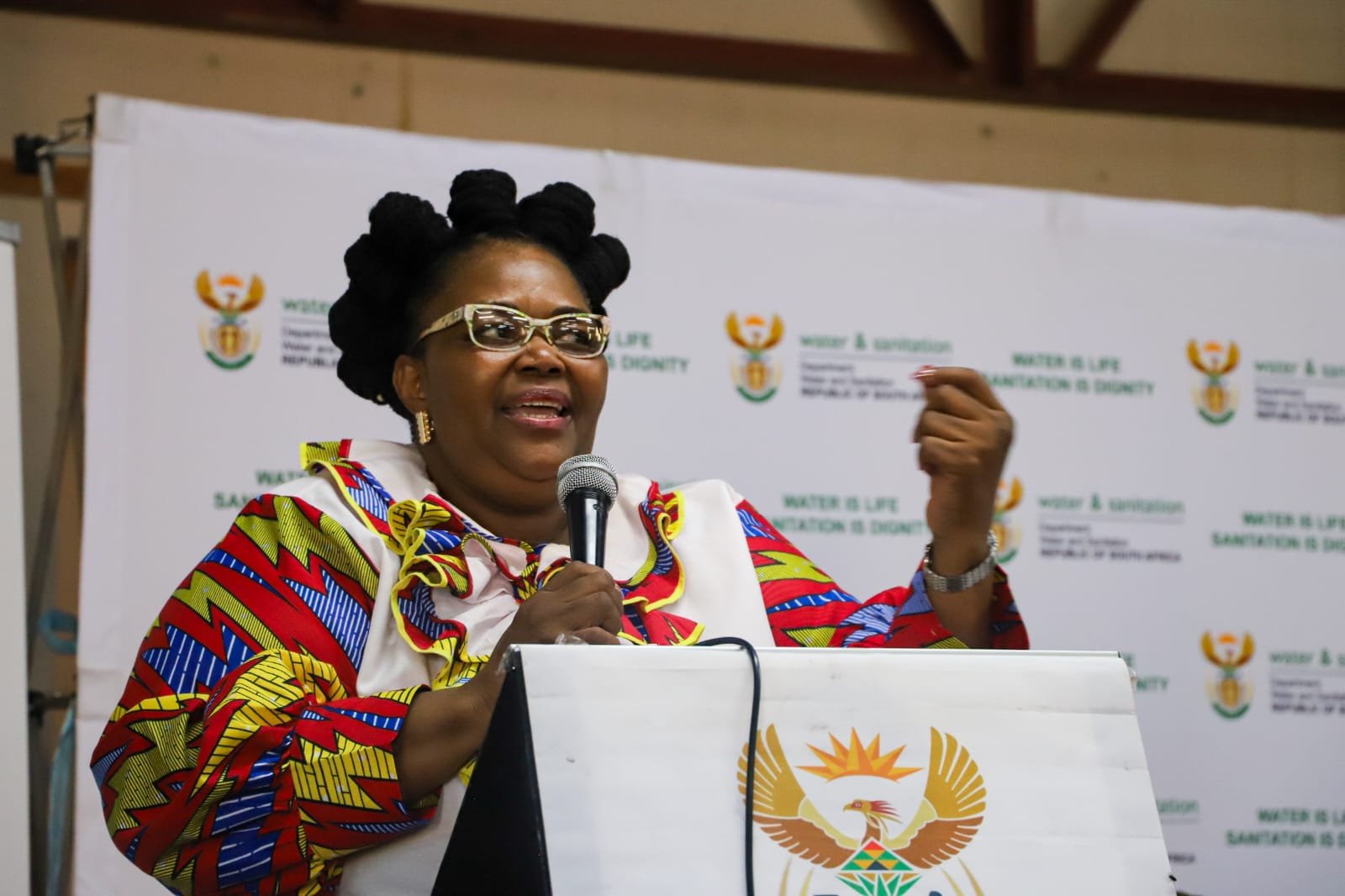
In an urgent bid to stabilise water supply in the drought-hit Garden Route, Minister of Water and Sanitation Pemmy Majodina has announced a R20 million emergency relief allocation to the Knysna Municipality, unlocking rapid-response technical and infrastructure interventions to address the town's escalating water crisis.
The funding, drawn from reprioritised Water Services Infrastructure Grants, follows the Minister's two-day oversight visit (17–18 January 2026) to the Garden Route District, where she assessed water infrastructure failures, drought impacts and recovery options alongside municipal leadership and Department of Water and Sanitation (DWS) engineers.
Groundwater, Desalination and Smart Infrastructure in Focus
The emergency allocation will be deployed with direct technical support from DWS to accelerate:
-
Groundwater development and borehole optimisation
-
Reduced dependence on over-stressed surface water systems
-
Engineering assessments to refurbish and upscale the Knysna Desalination Plant
-
Strengthened water resources planning and system resilience
Knysna's primary storage facility, Akkerkloof Dam, is currently at around 16% capacity, equating to approximately 13 days of water supply at current consumption levels. Prolonged drought conditions, combined with high non-revenue water losses, infrastructure neglect, vandalism and ageing assets, have pushed the system to crisis point.
A Data-Driven Crisis Years in the Making
While low dam levels have triggered emergency action, technical assessments by DWS indicate that Knysna's water challenges date back to at least 2023. According to the department, existing water resources could meet demand if leaks were reduced and consumption lowered, highlighting the urgent need for smart metering, leak detection and demand management technologies.
Minister Majodina backed the municipality's move to declare Knysna a disaster area, a step that will allow faster reprioritisation of resources and coordinated, multi-sectoral intervention across government.
"It will enable a comprehensive, coordinated response to this water crisis," Majodina said.
From Emergency Relief to Long-Term Resilience
Beyond immediate relief, the department is funding feasibility studies for a new small local dam, supporting long-term supply diversification. The Minister also urged the municipality to urgently:
-
Develop and implement a leak reduction plan
-
Install and repair functional water meters
-
Expand alternative water sources, including reuse, groundwater and desalination
DWS has already invested R12.4 million (2023/24–2024/25) and R7 million (2025/26) through the Water Services Infrastructure Grant (WSIG) to rehabilitate water networks and support water conservation and demand management.
Business and Community Step In
During engagements with the Knysna Business Chamber, the private sector pledged support by mobilising retired technical experts to assist with system stabilisation and recovery — a move welcomed by both the Minister and local leadership.
Knysna Executive Mayor Thando Matika praised the intervention, saying the emergency funding and hands-on technical support signal a strong, coordinated response across all spheres of government to protect residents, tourism and economic activity.
Call to Action for Water-Tech and Climate Resilience Innovators
The Department of Water and Sanitation is encouraging water-tech startups, smart metering providers, leak detection specialists, desalination innovators, and climate-resilience engineers to partner with municipalities like Knysna to deploy scalable, technology-driven solutions that can secure urban water systems against future shocks.


 Google News