

Lebanon on the Brink: Over 1 Million Displaced as Conflict Triggers Deepening Humanitarian Crisis
UNHCR has appealed for over $60 million to scale up emergency operations, but funding remains insufficient.
- Country:
- Lebanon
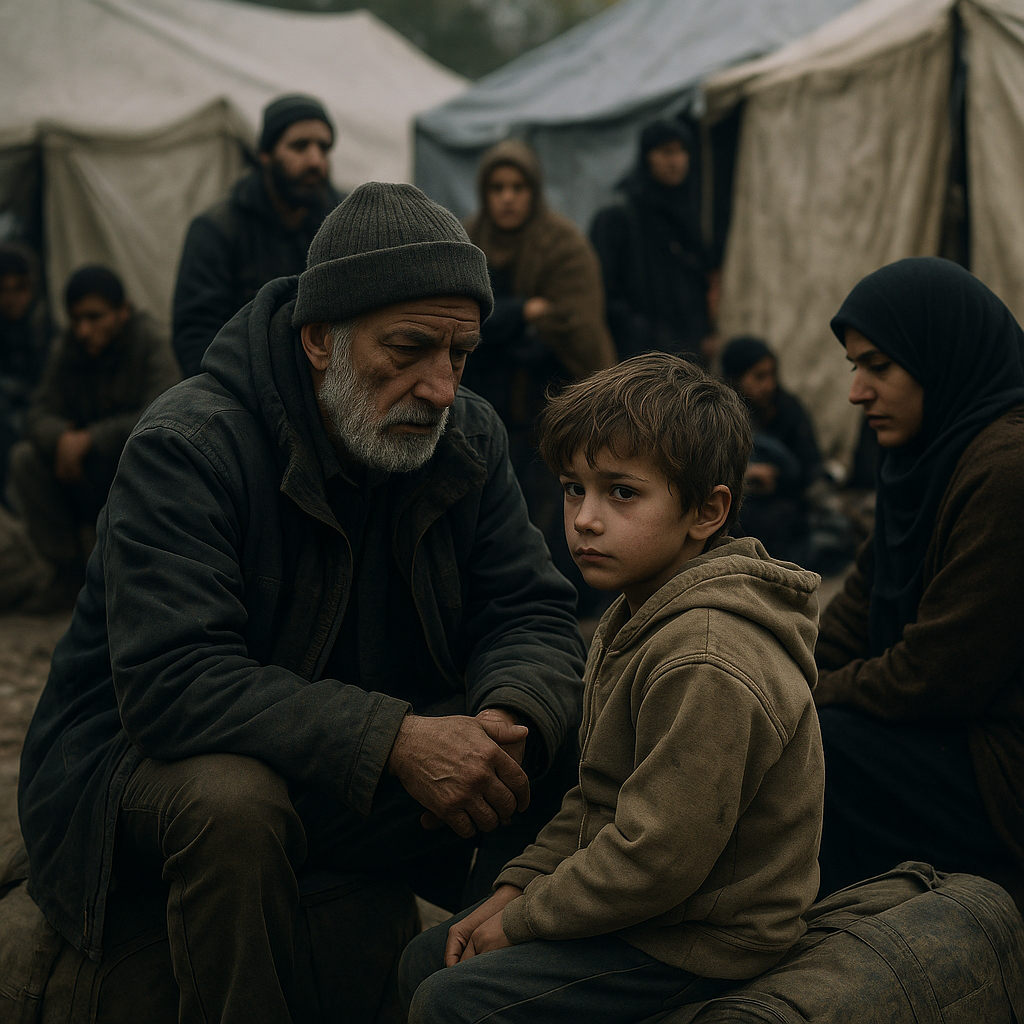
Nearly a month into an intensifying conflict, Lebanon is facing what humanitarian agencies warn could become a full-scale humanitarian catastrophe, with over 1 million people—around 20% of the population—forced from their homes since early March.
The mass displacement, triggered by sustained Israeli strikes and widespread evacuation orders, now spans the entire country—from the south and Bekaa Valley to Beirut and northern regions—placing unprecedented strain on already fragile systems.
Civilians Displaced, Nowhere Safe
Despite fleeing violence, displaced families continue to face grave danger. Recent airstrikes in central Beirut, including in densely populated neighbourhoods such as Zokak Blat and Bashoura, have shattered any remaining sense of safety.
One strike reportedly landed just metres from a school sheltering displaced families, underscoring the extreme risks even within designated refuge areas.
Families now live under constant fear, with humanitarian officials warning of long-term psychological trauma, especially among children.
Infrastructure Collapse Isolates Thousands
The humanitarian situation is further compounded by the destruction of critical infrastructure, particularly in southern Lebanon, where:
-
Key bridges have been destroyed
-
Entire مناطق have been cut off
-
More than 150,000 people are effectively isolated, with limited access to aid
This disruption is severely hampering humanitarian access, delaying life-saving assistance.
Overcrowded Shelters at Breaking Point
As displacement surges, shelters are rapidly reaching critical capacity:
-
136,000+ people housed in
-
660 collective shelters, primarily schools
Conditions inside are increasingly dire:
-
Overcrowded classrooms with families sharing confined spaces
-
Limited sanitation facilities
-
Lack of privacy and basic services
These conditions are heightening risks of:
-
Gender-based violence and exploitation
-
Health complications
-
Mental distress
Particularly vulnerable groups—including elderly people and persons with disabilities—are struggling to cope, often forced to sleep on classroom floors or use inadequate facilities.
Repeated Displacement Deepens Trauma
Many families are experiencing displacement for the second or third time, with some returning to the same shelters they used during earlier crises in 2024.
This cycle of displacement is:
-
Eroding coping mechanisms
-
Increasing dependency on aid
-
Deepening emotional and psychological stress
Humanitarian Response Under Pressure
The UN Refugee Agency (UNHCR), alongside government authorities and NGO partners, is leading protection and shelter efforts.
So far, the response has delivered:
-
198,000+ essential relief items
-
Protection and support services to over 27,000 people, including:
-
Psychosocial support
-
Counselling
-
Child-focused recreational activities
-
At shelters such as in Saida, coordinated efforts are helping restore a sense of dignity:
-
Community-led cooking and daily activities
-
Learning and play programmes for hundreds of displaced children
-
Targeted support for vulnerable groups
Funding Gap Threatens Response
Despite ongoing efforts, humanitarian agencies warn that needs are rising faster than available resources.
UNHCR has appealed for over $60 million to scale up emergency operations, but funding remains insufficient.
Without urgent support:
-
Overcrowding in shelters will worsen
-
Protection risks for women and children will increase
-
Social tensions may escalate
A Country Already Under Strain
The crisis comes at a time when Lebanon is already grappling with:
-
Economic collapse
-
Political instability
-
Strained public services
The massive displacement is placing additional pressure on communities, infrastructure, and social systems, pushing the country closer to a breaking point.
Urgent Call: Protect Civilians, Scale Up Aid
Humanitarian agencies are calling for:
-
Immediate protection of civilians under international humanitarian law
-
Safe and unhindered humanitarian access
-
Increased international funding to support the Lebanon Flash Appeal
"The risk of catastrophe is real," aid officials warn, stressing that timely intervention can still prevent further deterioration.
One Message from the Displaced
Amid the crisis, displaced families are expressing a simple and universal wish:
👉 They want to go home.
Until that becomes possible, humanitarian actors stress that the international community must act decisively to ensure:
-
Safety
-
Dignity
-
Basic survival
For now, Lebanon stands at a critical juncture—where the scale and speed of response will determine whether the crisis stabilizes or spirals further out of control.


 Google News