

UN Women Warns of Escalating Toll on Women and Girls Amid Middle East Conflict
The destruction of critical infrastructure is severely affecting access to essential services, particularly healthcare.
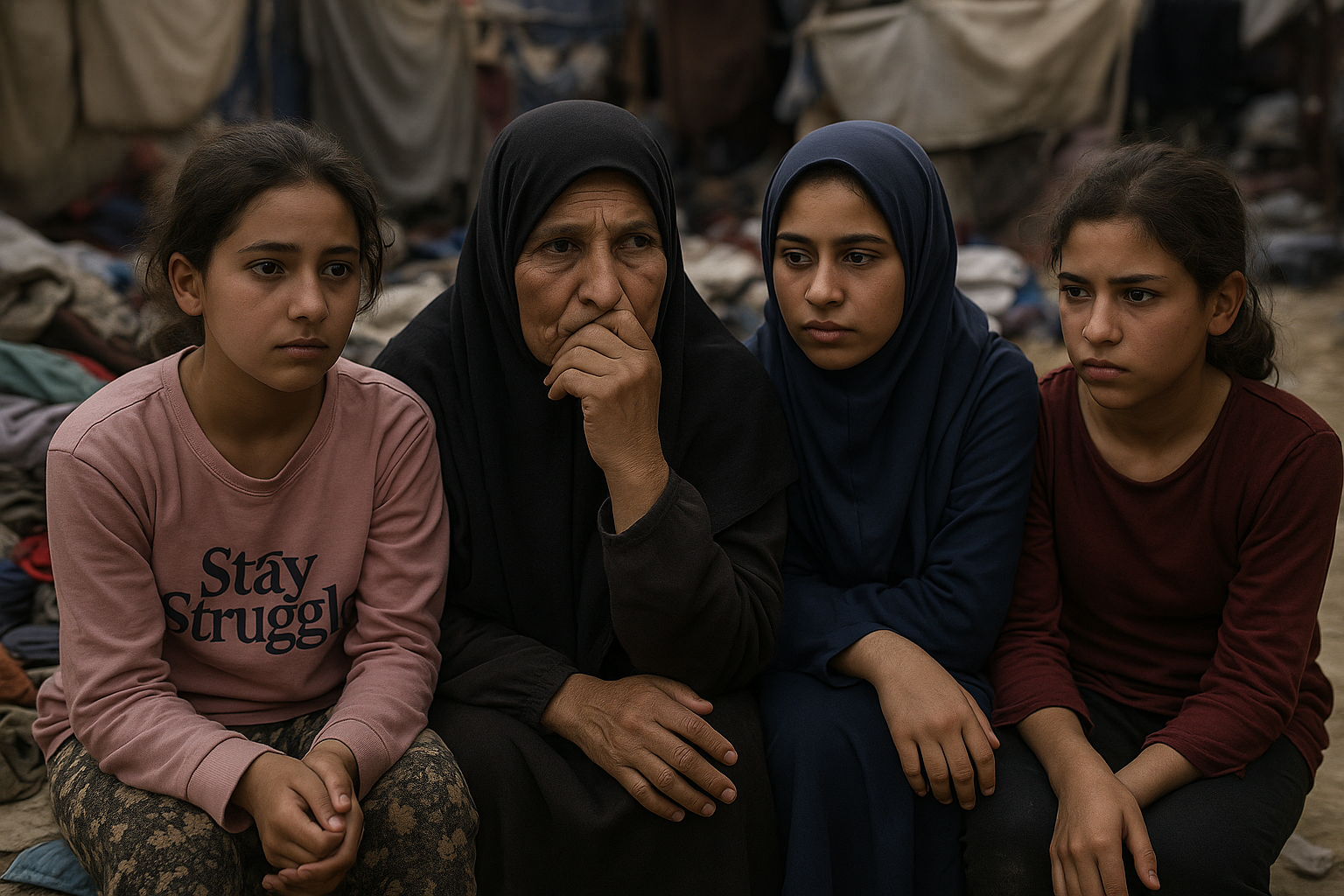
UN Women has welcomed the announcement of a two-week ceasefire between the United States and Iran, while simultaneously raising alarm over intensifying violence across the Middle East—particularly Israeli airstrikes in Lebanon that have reportedly killed and injured hundreds in recent days, including women and girls.
Echoing the UN Secretary-General, the agency stressed that the current escalation is exacting a devastating and disproportionate toll on women and girls, and called for the temporary ceasefire to evolve into a lasting, just, and inclusive peace.
Rising Death Toll Among Women and Girls
The conflict's human cost continues to mount rapidly across the region:
-
On 28 February 2026, a strike on a primary school in Minab, Iran, reportedly killed 168 girls on the first day of escalation
-
At least 204 women have been killed in Iran
-
In Lebanon, 102 women were reported killed even before intensified bombardments began on 8 April
-
Additional casualties among women and girls have been reported in Bahrain, Iraq, Israel, Kuwait, the occupied Palestinian territory, and the UAE
These figures underscore the widening geographic scope of the crisis and its impact on civilians far beyond immediate conflict zones.
Mass Displacement Exposes Women to Greater Risks
The escalation has triggered large-scale displacement, leaving millions of women and girls in precarious conditions:
-
Up to 1.6 million displaced in Iran
-
Around 620,000 displaced in Lebanon
Displacement is increasing exposure to:
-
Gender-based violence and exploitation
-
Unsafe and overcrowded living conditions
-
Limited access to healthcare, protection, and livelihoods
Women are also facing rising unpaid care burdens, further compounding their vulnerability.
Health Systems Under Strain, Maternal Care at Risk
The destruction of critical infrastructure is severely affecting access to essential services, particularly healthcare.
Even before the latest escalation:
-
50,000 pregnant women in Gaza required maternal health services
-
70,000 pregnant women in Lebanon were in need of similar care
Damage to hospitals and medical facilities is now further restricting access to life-saving maternal and reproductive health services, placing thousands of lives at risk.
Food Insecurity Deepens Across the Region
The conflict is also accelerating a regional food crisis:
-
24 million women and girls across affected countries—including Syria, Yemen, Lebanon, Iraq, and the occupied Palestinian territory—are facing worsening food insecurity
-
In Gaza alone, nearly 790,000 women and girls are experiencing crisis-level or worse food insecurity
Rising food prices, disrupted supply chains, and declining purchasing power are exacerbating hunger in an already fragile region.
Women's Organizations Under Threat
UN Women highlighted growing threats to women's rights organizations and activists, which play a critical role in humanitarian response and peacebuilding.
These groups are facing:
-
Shrinking civic space
-
Increased security risks
-
Severe funding shortages
-
Cases of intimidation, arbitrary detention, and lethal violence against women human rights defenders
This erosion of civil society capacity risks undermining both immediate relief efforts and long-term peacebuilding.
Call for Ceasefire to Lead to Lasting Peace
While welcoming the temporary ceasefire, UN Women stressed that it must serve as a foundation for a broader and sustainable peace process.
The agency called for:
-
Immediate de-escalation of hostilities
-
Full protection of civilians
-
Unimpeded humanitarian access
-
Gender-responsive humanitarian action
-
Inclusion of women's voices in peacebuilding and recovery efforts
A Critical Moment for the Region
With violence spreading and humanitarian needs surging, UN Women warned that failure to act decisively could have long-term consequences for stability, development, and gender equality across the Middle East.
As the ceasefire window opens, the international community faces a narrow but crucial opportunity: to move beyond temporary pauses in fighting and work toward a comprehensive peace that safeguards the rights, dignity, and future of women and girls.
ALSO READ
-
Intercepting Danger: Saudi Air Defences Protect Holy Mecca
-
Wall Street Turmoil: Rising Yields and Crude Prices Impact Market
-
Wall Street Drops: Rising Yields and Crude Prices Rattle Market
-
Market Woes: Oil Surges and AI Concerns Weigh Down Wall Street
-
Navigating Peril: Reduced Traffic Through the Tactical Strait


 Google News