

Global Survey Finds Strong Public Backing for Refugee Protection
Trinh Tu, Managing Director of Ipsos UK, said the survey shows public opinion is becoming more focused on how refugee protection is delivered rather than whether it should exist.
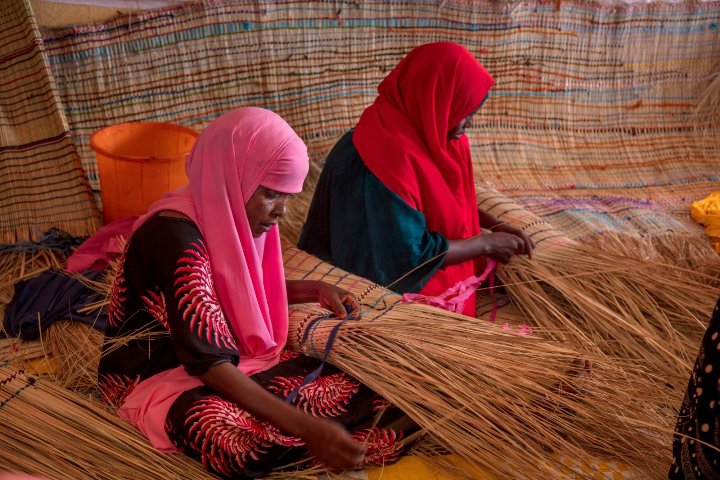
Public support for protecting refugees remains strong despite years of political tensions, economic pressures and heated migration debates, according to a new global survey conducted by Ipsos in partnership with UNHCR, the UN Refugee Agency. The survey, which covered 29 countries, found that 66% of respondents believe people fleeing war or persecution should be able to seek safety in another country. That figure is only one percentage point lower than in 2025 and remains close to levels recorded before the COVID-19 pandemic.
The findings suggest that while many people continue to support refugee protection, they also have concerns about how asylum systems operate, how borders are managed and how refugees are integrated into host societies. Researchers say these views often exist together rather than reflecting outright opposition to refugees.
Support varied across countries. Sweden and the Netherlands recorded the highest level of support at 78%, followed by Spain at 76%. Australia, Brazil and the United States showed the strongest positive views of refugees' contributions to society. Japan saw one of the biggest shifts, with support rising from 23% in 2019 to 64% this year, while France increased from 43% to 68% over the same period.
People Want Protection Alongside Stronger Asylum Systems
Trinh Tu, Managing Director of Ipsos UK, said the survey shows public opinion is becoming more focused on how refugee protection is delivered rather than whether it should exist. She explained that people continue to support those forced to flee conflict and persecution, yet many also want asylum systems that are fair, efficient and trusted. According to the survey, 61% of respondents believe some people seeking refugee status may be motivated by economic opportunities or welfare benefits rather than genuine persecution.
At the same time, 49% said borders should be closed to refugees, while 44% believed refugees would successfully integrate into society. The findings indicate that support for offering protection can coexist with concerns about border management and the credibility of asylum claims.
UNHCR's Director of External Relations, Dominique Hyde, said it is encouraging that public backing for refugee protection remains resilient even as displacement reaches record levels and migration becomes increasingly politicised. She said people continue to support the principles of the Refugee Convention while expecting asylum systems to be fair and responsibilities to be shared among countries.
Younger Generations Show More Positive Attitudes
The survey also found that younger people generally hold more favourable views towards refugees than older generations. Nearly 49% of Generation Z respondents believed refugees would integrate successfully, compared with 39% of Baby Boomers. Younger participants were also less likely to support border closures or question refugees' reasons for seeking protection. Even so, concerns about integration and asylum processes were present across all age groups.
As humanitarian funding continues to decline, the public increasingly expects responsibility for supporting refugees to be shared among governments, international organisations, non-governmental organisations and other partners. More respondents now see NGOs and national governments playing larger roles, while fewer believe wealthier countries alone should carry the primary responsibility.
When asked how the international community should respond to displacement crises, respondents most often favoured immediate humanitarian assistance, diplomatic efforts and temporary protection measures. The survey also found continued support for refugee resettlement as an important option for the most vulnerable people forced to flee.
ALSO READ
-
Myanmar Market Airstrikes Kill at Least 50 as UN Urges Malaysia to Halt Deportations
-
Refugee Protection Nears Breaking Point: UN Funding Cuts Put 8.3 Million Lives at Risk
-
Sudanese Families Flee to Chad as Violence Surges and Refugee Support Falls Behind
-
Refugees and Host Communities in Ethiopia at Heart of New ILO and UNHCR Work Pact
-
Yemen Violence Displaces 130,000 as Shelters Fill and Aid Funding Runs Short


 Google News