

ILO Backs Green Skills and Clean Energy Jobs in Syria
The work comes as Syria moves forward with new renewable energy investments that could add significant power generation capacity to the country.
- Country:
- Syrian Arab Republic
The International Labour Organization is working with Syrian ministries and national partners on two initiatives designed to connect the country's growing clean energy sector with job creation, worker skills and the recovery of industries struggling with high energy costs.
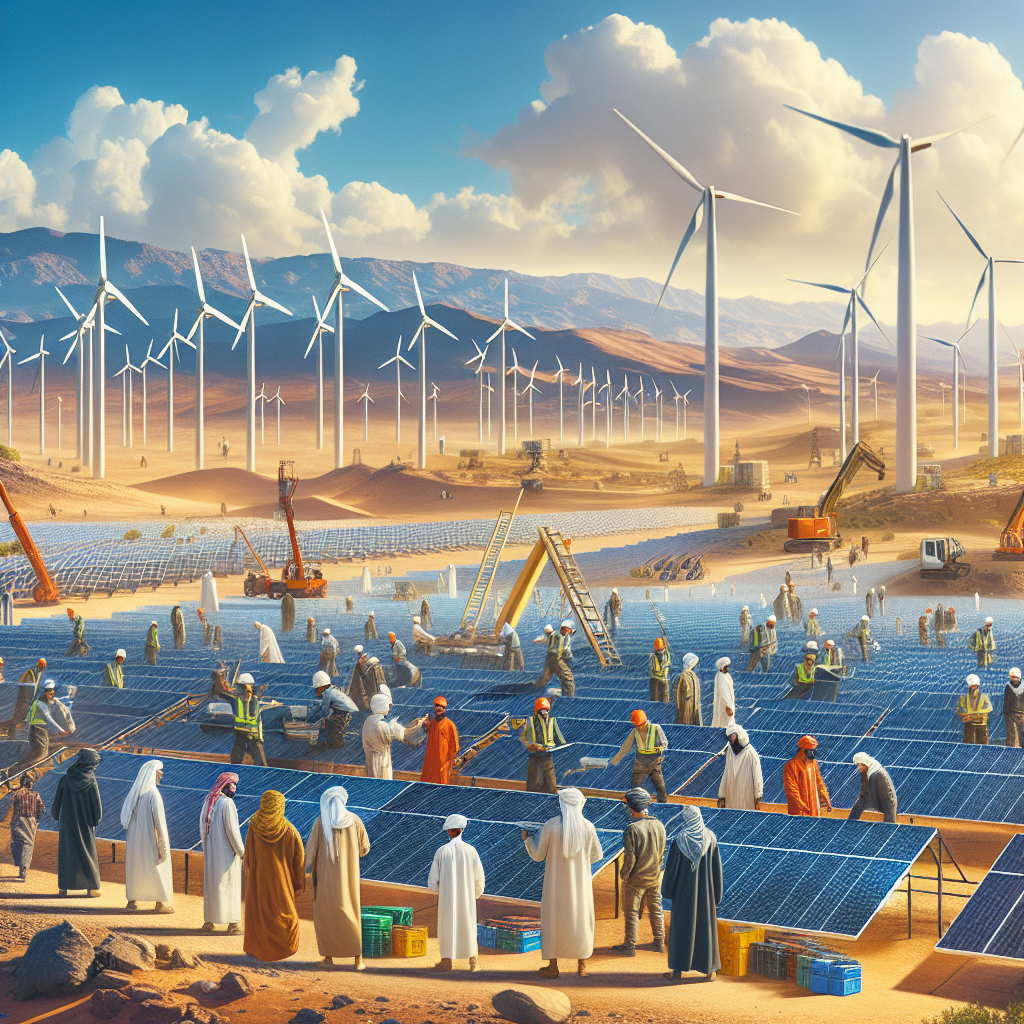
The work comes as Syria moves forward with new renewable energy investments that could add significant power generation capacity to the country. One initiative focuses on bringing government representatives, employers and workers together to shape policies around energy, jobs and industrial competitiveness, while the second will provide green skills training to 1,000 workers who could find employment at planned power generation facilities.
Government, Employers and Workers Discuss Industrial Challenges
Representatives from government, businesses and workers met on 5 August for an ILO-supported policy dialogue focused on the pressures facing Syrian industries and the steps needed to support a fair transition towards cleaner energy.
Raghda Zaidan, Deputy Minister at Syria's Ministry of Social Affairs and Labour, said industrialists, factory owners and government institutions discussed energy-related challenges that affect the ability of factories to continue production while protecting workers and maintaining employment.
Participants examined practical policy options around energy efficiency, productive businesses and industrial competitiveness, with electricity and gas prices forming an important part of the discussion. The talks also produced a commitment to continue working with the Ministry of Energy on measures that could support manufacturers facing immediate difficulties.
Syrian Industries Seek Competitive Energy Prices
Ayman Al-Mawlawi, Chairman of the Damascus Chamber of Industry, said industrial businesses called for energy pricing that reflects international market rates so Syrian products are not placed at a competitive disadvantage because of high production costs.
Discussions also covered wider use of renewable energy by factories, including the possibility of allowing businesses to supply surplus electricity back to the grid. Participants examined the organisation and development of industrial zones, which could become increasingly important as manufacturing activity and energy investment expand.
The ILO sees the policy discussions as part of a broader effort to make sure Syria's shift towards greener energy supports businesses while protecting employment and creating opportunities for workers.
1,000 Workers to Receive Green Skills Training
A renewable energy investment agreement announced on 6 August between the Syrian Government and a consortium of Saudi and other international private investors is expected to create new demand for workers with specialised technical skills.
The ILO plans to train 1,000 people in skills needed for the installation, operation and maintenance of renewable energy systems. Returnees, internally displaced people and members of host communities will be included in the training, giving groups facing employment challenges a route into jobs connected with the expanding energy sector.
Training will be delivered through the PROSPECTS programme, supported by the Netherlands, and the Durable Solutions, Assisted Voluntary Returns and Reintegration programme, funded by the European Union.
ILO Chief Technical Adviser Maha Kattaa said Syria's economic recovery and shift towards a more sustainable economy could create employment, improve productivity and strengthen resilience, with skills development helping ensure workers can benefit directly from new investments.
Solar Projects Could Add Major Power Capacity
The newly signed public-private investment agreement includes three solar power plants with a combined capacity of about 760 megawatts, with two projects expected to include battery energy storage systems.
Plans also cover the rehabilitation and expansion of electricity generation infrastructure, which could add around 2,000 MW of planned generation capacity. Osama Abu Zaid, Syria's Deputy Minister of Energy for Water and Electricity, said the investment represents more than additional electricity supply, describing it as a new phase built around diverse energy sources, a more reliable grid and stronger support for productive sectors.
For Syria's industries, additional generation capacity could help address energy constraints that have made production more difficult, while large-scale renewable projects could create another source of employment during the country's economic recovery.
The combination of private investment, worker training and discussions over industrial policy is intended to connect Syria's clean energy expansion with practical economic opportunities, giving businesses access to more reliable power while preparing workers for jobs created as new energy infrastructure is built and operated.
ALSO READ
-
From Sharp Tools to Toxic Fumes: Thailand Tackles Serious Risks Facing Its Rubber Workers
-
Thailand’s Rubber Sector Puts Worker Safety First With Practical ILO Training
-
Equal Work, Fair Pay: New ILO Tool Helps Moldova’s Employers Uncover Wage Gaps
-
Syrian Ex-Official Sentenced for Torture in U.S. Landmark Case
-
Syria's Diesel Deal: A Government's Strategic Shift Amid Crisis


 Google News