

Africa’s Informal Workers Power Trade but Have Little Say in Rules Shaping Lives
New research from the International Labour Organization (ILO) examines this gap, showing how informal workers and enterprises can struggle to be heard even in sectors that depend heavily on their labour.
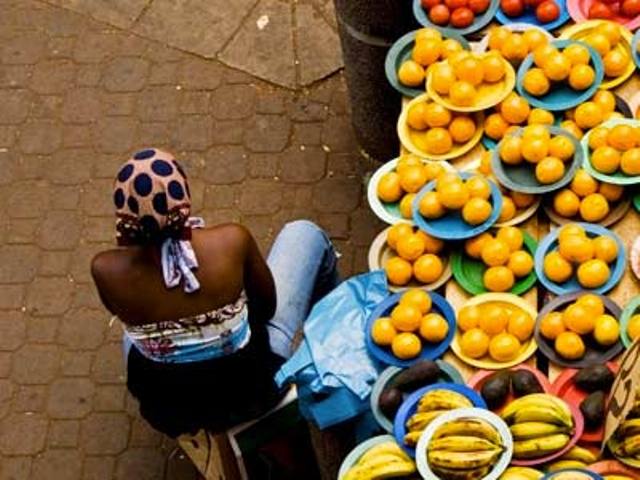
Africa's trade depends on millions of people who grow crops, move goods across borders and run small businesses, but their experience rarely carries enough weight in the policy discussions that shape their livelihoods. New research from the International Labour Organization (ILO) examines this gap, showing how informal workers and enterprises can struggle to be heard even in sectors that depend heavily on their labour.
The scale of informal employment makes that lack of representation a central concern for trade policy. More than three quarters of jobs connected to trade and global supply chains are informal across 11 African countries with available data, which together account for 45 per cent of employment on the continent. Across Africa, more than 85 per cent of employment is informal, the highest share of any region, making decisions about trade inseparable from the working lives of people outside formal employment arrangements.
The people behind trade are missing from the discussion
The ILO brief, Engaging informal economy actors in trade and labour policy in Africa, draws on stakeholder evidence gathered for its report Trade, Investment and Decent Work in Africa: Evidence and Stakeholder Perspectives, which highlighted the need for stronger connections between trade and employment policies. A survey and consultations involving more than 70 stakeholders from government institutions, workers' and employers' organizations and civil society in Ghana, Kenya, Mozambique, South Africa and Uganda found that established consultation processes often fail to reach informal workers and businesses.
Formal exporting firms generally have better access to policymakers, leaving many informal operators struggling to attend consultations, explain their concerns or find out about support measures intended for them. Representation becomes more complicated when someone earns a living both as a worker and as an own-account operator, because conventional categories of "worker" and "employer" do not neatly describe their circumstances or make it clear which organization can speak for them.
Farmers and border traders carry the costs
Almost 98 per cent of agricultural workers in Africa are informally employed, with many working at the lower levels of supply chains and having limited relationships with major suppliers and buyers. Their place in those supply chains gives them a direct stake in trade decisions, though the distance between their daily work and the institutions making policy can make their concerns difficult to bring into discussions.
Informal cross-border trade supports employment and household livelihoods, with women making up the majority of traders in many parts of Africa. Harassment and insecurity at borders, limited access to finance, and difficulty understanding regional trade rules can affect their ability to earn a living, making their participation valuable for identifying problems that formal consultations may overlook.
Collective voices can open doors to policy
Cooperatives and associations offer a route into policy discussions through links with workers' and employers' organizations. In Ghana, the Ghana National Cocoa Farmers Association represents around 680,000 of the country's estimated 800,000 cocoa farmers. It is affiliated with the Ghana Federation of Labour, which has advocated for farmers in government discussions, including negotiations over cocoa farm-gate prices.
The African Continental Free Trade Area offers another opportunity through National Implementation Committees, where governments, workers' and employers' organizations and civil society can discuss trade decisions with employment implications. Trade union representatives already participate in these committees in Ghana, Kenya, Namibia, Nigeria and Rwanda, creating openings for stronger connections with organizations representing informal workers and enterprises. The brief stresses that supporting the transition to formal employment remains essential, and that meaningful participation can help expanding trade deliver broader, more inclusive development.
ALSO READ
-
Jordan’s Skills Recognition Programme Opens New Opportunities for Workers
-
Vietnam Rethinks Ageing as Jobs, Skills and the Care Economy Become Economic Priorities
-
Viet Nam Puts Older Workers at the Heart of a New Plan for Jobs, Skills and Care
-
Asturias Backs Women Care Workers in Cali With New ILO Community Support Agreement
-
Nepal Floods Leave Workers Facing Lost Income as Damage Spreads Beyond Disaster Zone


 Google News