

Fair Global Tax Rules Key to Protect Democracy and Human Rights for All, UN Expert
Katrougalos welcomed negotiations towards a United Nations Framework Convention on International Tax Cooperation as a historic opportunity to reshape global tax governance.
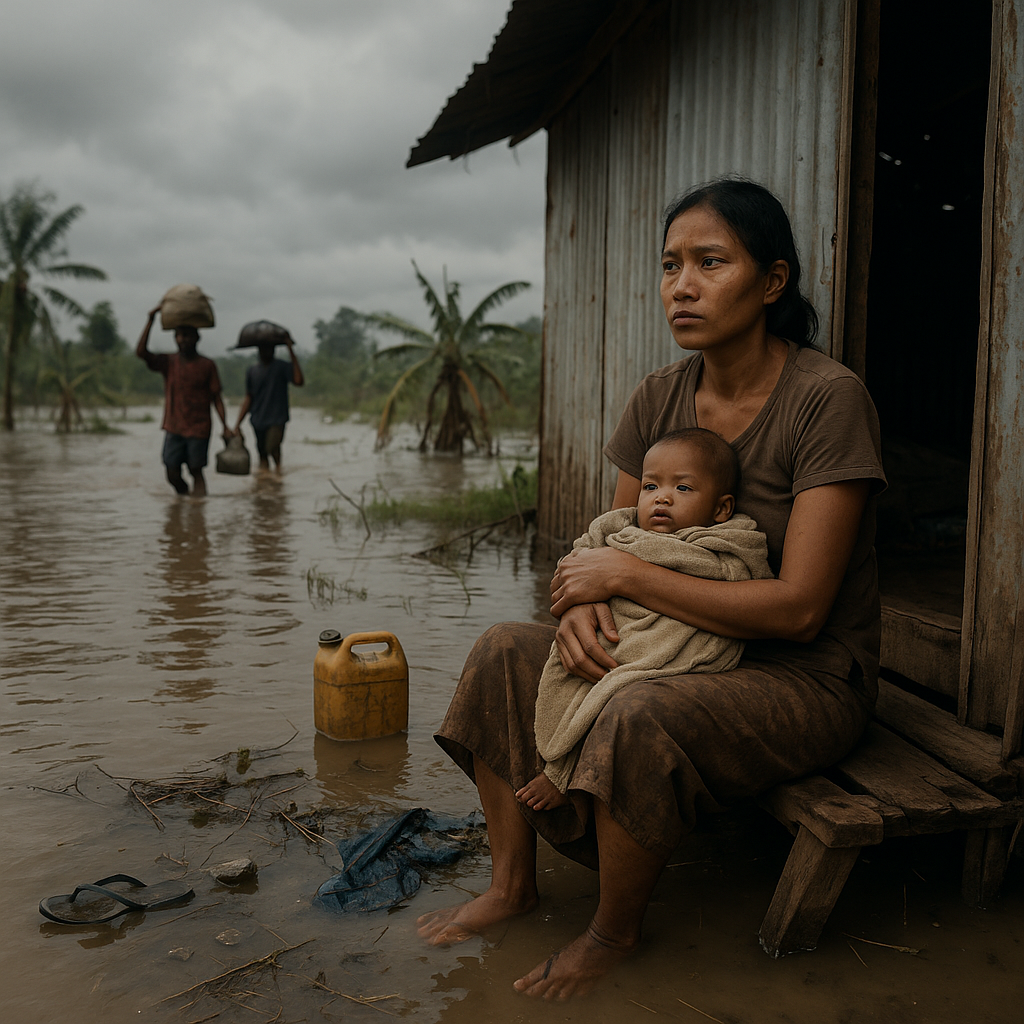
A fair and inclusive international tax system is essential to protect democracy, uphold human rights and support sustainable development, UN Independent Expert George Katrougalos has said. Presenting his report to the UN General Assembly, he warned that international tax arrangements are weakening governments' ability to raise the resources needed to fulfil their human rights obligations. His appeal places fiscal justice at the centre of efforts to build a democratic and equitable international order.
Katrougalos, whose mandate covers the promotion of a democratic and equitable international order, described fiscal justice as a democratic imperative grounded in the right to development. He said international cooperation and the sovereign equality of States must guide the way countries organise global taxation. The report examines how tax arrangements affect governments' capacity to mobilise the maximum available resources for meeting their human rights responsibilities.
Growing concentrations of wealth, large-scale profit shifting by multinational corporations and persistent financial transfers from developing to developed countries are among the problems identified. The report says these patterns undermine democratic governance and the realisation of economic, social and cultural rights. The continued erosion of public revenues leaves developing countries particularly exposed, deepening inequality and limiting their ability to meet people's needs.
Developing Countries Need a Stronger Voice in Tax Decisions
The report raises concerns that existing international tax reform arrangements have failed to deliver equitable outcomes for developing countries. Katrougalos called for more transparent, inclusive and representative decision-making so that every State's interests receive consideration on an equal footing. His recommendations connect fair participation in tax negotiations with governments' ability to protect public revenues and fulfil their obligations.
Stronger taxing rights for developing countries are among the changes the report identifies as necessary for a fairer system. It also calls for greater financial transparency and the protection of policy space for digital services taxation, allowing governments room to make decisions in this area. Coordinated measures should ensure that extreme wealth contributes fairly to the public good, addressing concerns about the growing concentration of resources.
UN Tax Convention Must Deliver Enforceable Commitments
Katrougalos welcomed negotiations towards a United Nations Framework Convention on International Tax Cooperation as a historic opportunity to reshape global tax governance. He said the process could place human rights, democracy and international solidarity at the centre of international tax arrangements. The negotiations offer a chance to address inequalities that existing reform efforts have failed to resolve.
The expert stressed that the convention must contain meaningful and enforceable commitments capable of producing concrete change. A framework that promises fairness without setting clear obligations would leave the inequalities embedded in the current system unresolved, he warned. His call makes the strength of those commitments central to whether the convention can deliver a more equitable international tax order.
Fiscal Justice Depends on Cooperation and Accountability
The expert also expressed concern about measures that undermine multilateral institutions and international accountability mechanisms. He specifically cited sanctions targeting the International Criminal Court and United Nations human rights mandate holders. These concerns formed part of his broader appeal to strengthen international cooperation and the institutions that support accountability.
Katrougalos described fiscal justice as a prerequisite for democracy and social justice, linking fair taxation to the legitimacy of democratic institutions. A fair international tax system must support governments' ability to fulfil human rights obligations and strengthen cooperation between States. He said such a system is necessary to advance the equal enjoyment of human rights for everyone.
ALSO READ
-
Swiss Court Ruling on Enforced Disappearance of Belarusian Opposition Figure Welcomed
-
UN Expert Calls for Peace Economy as Conflicts Threaten Human Rights and 2030 Goals
-
Human Rights Must be at the Heart of Corporate Governance and Leadership
-
Eritrea Urged to End Arbitrary Detention and Reveal Fate of Missing People
-
Carbon Credit Markets May Undermine Climate Action and Human Rights, UN Expert Warns


 Google News