

90 Million Displaced People Face Climate Threats Ahead of COP31, UNHCR Warns
Climate change is making safe and lasting returns increasingly difficult for refugees and displaced families who hope to rebuild their lives after years of conflict.
- Country:
- Turkey
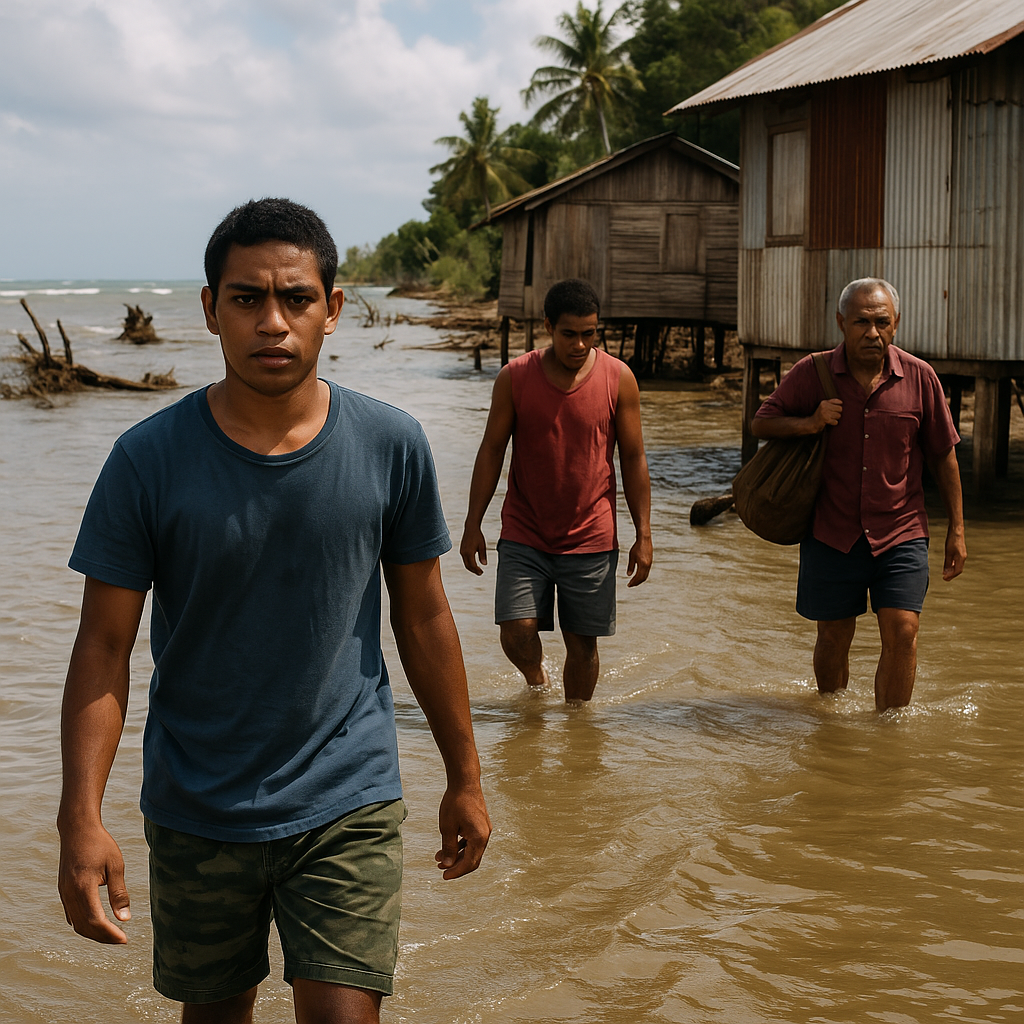
Nearly 90 million refugees and forcibly displaced people worldwide are living in countries facing severe climate-related threats, exposing families already affected by conflict and persecution to another growing humanitarian crisis. According to a new report from the United Nations Refugee Agency (UNHCR), approximately three in four displaced people live in countries experiencing high to extreme exposure to droughts, floods, dangerous heat and other climate hazards. The agency has called for urgent international action ahead of the UN Climate Change Conference (COP31) in Antalya, Türkiye, warning that climate financing is failing to reach many communities facing the greatest environmental risks.
The report, No Escape III: Displaced Voices from the Frontlines of the Climate Crisis, highlights how climate change is making life increasingly difficult for people who have already lost their homes, livelihoods and personal security. Through the experiences of eight representatives from displaced communities, the report explores the challenges families face when extreme weather damages shelters, destroys sources of income and makes recovery more difficult. Their accounts also demonstrate how refugees are developing local solutions to climate challenges, strengthening the case for including displaced communities in decisions that directly affect their future.
UNHCR Assistant High Commissioner for Operations Antón Leis García described the situation as a double injustice, with refugees escaping conflicts they did not create and confronting a climate crisis to which they have contributed very little. Many displaced families are living in regions where essential services, financial resources and opportunities to adapt to changing weather conditions are already severely limited. UNHCR is urging governments and climate finance institutions to recognise these overlapping risks and provide greater support for communities struggling to rebuild their lives.
Climate Disasters Threaten Refugees Returning to Their Homes
Climate change is making safe and lasting returns increasingly difficult for refugees and displaced families who hope to rebuild their lives after years of conflict. More than two-thirds of refugees who returned home during the first half of 2026 went back to countries highly vulnerable to climate hazards, raising concerns about whether those communities can provide stable living conditions. In Syria, where nearly four million displaced people have recently returned, declining groundwater supplies and severe weather events are creating additional challenges for families trying to restore their homes and livelihoods.
Flooding along Syria's Euphrates River in May 2026 damaged residential areas and forced thousands of people to leave their homes again, demonstrating how environmental disasters can reverse recovery efforts. Dangerous heat is also becoming a major concern across sub-Saharan Africa, where UNHCR estimates that one in three refugee settlements could experience at least 100 days of dangerous heat annually by 2050. More than half of the locations assessed could face at least 50 additional days of dangerous heat each year, with settlements such as Helaweyn in Ethiopia potentially experiencing over 200 dangerous heat days annually.
Extreme Flooding and Statelessness Increase Displacement Risks
Weather-related disasters have triggered more than 255 million internal displacements worldwide over the past decade, equivalent to approximately 70,000 displacements every day. East Africa faces serious concerns as forecasts suggest that severe flooding associated with a very strong El Niño could displace as many as three million people across Somalia, Kenya, South Sudan and Uganda by the end of 2026, depending on the intensity of the floods. The region has already experienced repeated emergencies, including devastating floods in 2023 that displaced more than two million people and forced some families to leave their homes multiple times.
Climate-related disasters are also increasing the vulnerability of people without recognised nationality, particularly those who struggle to access government assistance and legal protection. Nearly 90 per cent of the world's 4.7 million reported stateless people live in countries facing high to extreme climate hazards, leaving many exposed to disasters without reliable access to emergency relief or adaptation programmes. UNHCR warned that the absence of legal recognition can make it especially difficult for stateless individuals to receive assistance, protect their livelihoods or recover after destructive weather events.
UNHCR Calls for Greater Climate Funding and Refugee Participation at COP31
Despite the growing risks, fragile and conflict-affected countries receive only around 10 per cent of global climate finance, even though many host substantial refugee populations and face severe environmental threats. UNHCR has called for greater investment in climate adaptation, especially in displacement-affected areas and communities where refugees are returning, to improve living conditions and support safe, voluntary and sustainable returns. Leis García stressed that funding should strengthen local resilience, protect livelihoods and reduce the likelihood of further displacement rather than concentrating exclusively on short-term humanitarian responses.
Refugees and host communities are already developing practical responses to changing climate conditions, demonstrating the value of investing directly in local knowledge and community-led initiatives. These efforts include solar-powered water systems in the Sahel, climate-resilient agricultural practices in Uganda and land and mangrove restoration projects in Colombia, supported through cooperation involving UNHCR, governments, development partners and businesses. Such initiatives can improve access to essential resources, support economic independence and help communities withstand environmental pressures without being forced to relocate repeatedly.
At COP31 in Türkiye, one of the world's largest refugee-hosting countries, UNHCR will urge governments to include displaced populations in national climate strategies and ensure that international financing reaches communities facing the greatest risks. The agency wants stronger long-term adaptation investments and greater participation by refugees and host communities in designing solutions, recognising that their experiences can help shape more effective climate policies. UNHCR believes the conference offers an important opportunity to turn international commitments into practical investments that protect displaced families, strengthen community resilience and reduce the growing humanitarian consequences of climate change.


 Google News