

Canada's Defense Spending Commitment: A Double-Edged Sword
Canada's pledge to increase defense spending to 2% of GDP by 2032 is praised by NATO but poses significant economic challenges. Prime Minister Justin Trudeau faces difficult choices as economists warn of deeper deficits or major spending cuts to meet the target. Rising debt and new fiscal anchors add complexity.
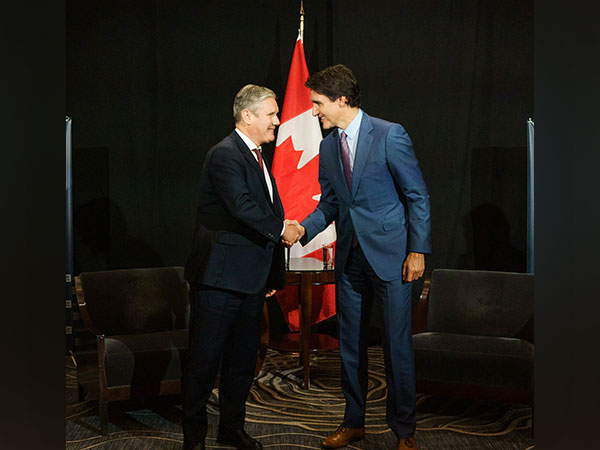
Canada's recent commitment to boost defense spending to 2% of GDP by 2032 has been welcomed by NATO allies. However, economists caution that this could deepen Canada's deficit or force significant spending cuts.
Prime Minister Justin Trudeau has set the target following pressure from the U.S. and other NATO powers. Despite the commitment enhancing Canada's standing amid heightened tensions due to Russia's invasion of Ukraine, meeting the target presents economic challenges.
Economists highlight that Canada, currently spending 1.4% of GDP on defense, will need to allocate an additional C$15 billion to C$20 billion over eight years. This increased spending could strain Canada's economy, risking fiscal stability and credit ratings.
ALSO READ
-
Potential EU Partnerships Stir International Debate
-
Canada's Cinematic Potential: Andrew Haigh Champions Alberta's Film Industry
-
Canadian Trade Minister Heads to India for Pivotal Economic Talks
-
Global Politics in Motion: Unpacking Recent Diplomatic Developments
-
Canada and Europe Forge Strategic Alliance Amidst Global Power Play


 Google News