

Israeli Security Minister's Al-Aqsa Remarks Stir Controversy
Israeli Security Minister Itamar Ben-Gvir's comments advocating Jewish prayers at the Al-Aqsa mosque compound have sparked controversy. Prime Minister Benjamin Netanyahu denied any policy change, highlighting internal government divisions. The remarks could exacerbate tensions amid the ongoing Gaza conflict, potentially involving Iran. The U.S. opposes unilateral actions at Jerusalem holy sites.
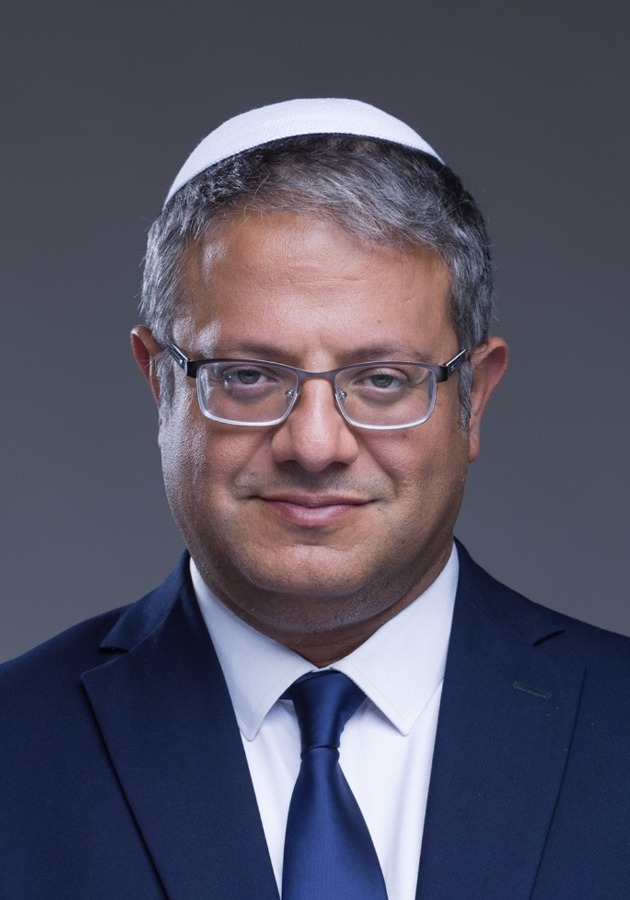
Israeli Security Minister Itamar Ben-Gvir stated on Tuesday that Jews should be allowed to pray at the Al-Aqsa mosque compound, referred to by Jews as Temple Mount, challenging established rules at one of the Middle East's most sensitive locations. Prime Minister Benjamin Netanyahu quickly countered, assuring no change would occur in the regulations forbidding Jewish prayers at the site, which is sacred to both Muslims and Jews. He criticized Ben-Gvir, a key figure in one of the nationalist religious parties within the ruling coalition.
Netanyahu's office asserted, 'There is no private policy of any minister on the Temple Mount - neither the Minister of National Security nor any other minister.' This dispute marks the second time within a week that Netanyahu has confronted a senior minister, following a reprimand of Defence Minister Yoav Gallant regarding the Gaza conflict.
Ben-Gvir's statements came during a visit to the area marking a Jewish day of mourning for ancient temple destructions, a particularly sensitive moment given the risk of the Gaza war escalating, potentially involving Iran and regional allies. The Al-Aqsa site is overseen by a Jordanian religious foundation, where Jewish visits but not prayers have been allowed for decades. The U.S. reaffirmed its commitment to maintaining the status quo at Jerusalem's holy sites, deeming any unilateral actions unacceptable.


 Google News